
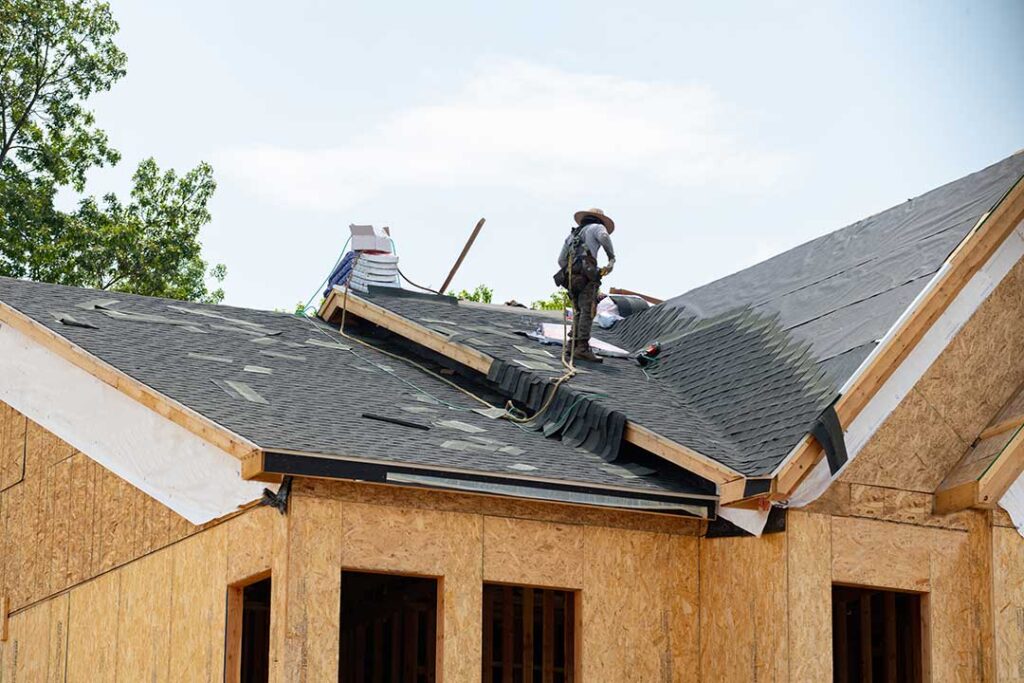
A roof warranty is a written promise about certain defects, repairs, or replacements—but it is not a guarantee that every future roof problem will be covered. The most useful way to understand a warranty is to identify who issued it, what it protects, what it excludes, and what the homeowner must do to keep coverage valid.
For homeowners in Ithaca, NY, that distinction matters. Roofs face repeated freeze-thaw cycles, snow, ice, wind, falling branches, moisture, and seasonal debris. A warranty may address a manufacturing defect or installation problem while excluding damage caused by weather, neglected maintenance, or alterations to the roof system.
What are the main types of roof warranties?
Most roof projects involve two separate warranties: a manufacturer’s material warranty and a contractor’s workmanship warranty.
A manufacturer’s warranty covers defects in roofing materials, such as shingles, membranes, underlayment, or related components. It usually applies only to the products identified in the warranty document. It may promise repair, replacement materials, or a prorated payment if a covered defect develops.
A workmanship warranty comes from the contractor or installer. It generally addresses errors in installation, such as improper fastening, poor flashing work, or incorrect placement of certain roof components. The length and terms can vary substantially.
These warranties are not interchangeable. A manufacturer may deny a claim if the materials were installed incorrectly, while an installer’s warranty may not cover a defective batch of shingles. A written roofing contract should make clear which warranty covers which type of problem.
Does a long warranty mean the roof will last that long?
No. A warranty period is not the same as a service-life prediction.
A roof covering may be marketed with a long limited warranty, but the warranty can include:
- Prorated coverage after an initial period
- Limits on labor reimbursement
- Exclusions for wind, hail, impact, or unusual weather
- Requirements for approved installation methods
- Transfer restrictions when the home is sold
- Separate coverage periods for different components
For example, a warranty may provide full material coverage during the first few years and then reduce the manufacturer’s contribution over time. Some warranties cover only defective materials, leaving removal, disposal, labor, flashing, ventilation corrections, or interior repairs outside the promised benefits.
The word “limited” deserves careful attention. It often means that the warranty is conditional and narrower than a homeowner may assume from the headline duration.
What does a roof warranty usually cover?
Coverage depends on the document, but a materials warranty commonly addresses premature failure caused by a manufacturing defect. A workmanship warranty may address installation-related problems discovered during the stated term.
The warranty should answer several practical questions:
- What qualifies as a covered defect?
- Is the remedy repair, replacement, or reimbursement?
- Are labor costs included?
- Are tear-off and disposal included?
- Are flashing, vents, underlayment, and drip edges covered?
- Is water damage inside the home excluded?
- Does coverage decline with age?
- Is the warranty transferable to a future owner?
- Is registration required?
- What deadline applies for reporting a problem?
If the document does not clearly promise coverage for a particular item, it is safer not to assume that item is included.
What roof problems are commonly excluded?
Roof warranties often exclude conditions that are considered normal wear, maintenance issues, accidental damage, or events outside the manufacturer’s or installer’s control.
Common exclusions may include:
- Damage from hail, falling trees, animals, or foot traffic
- Wind damage above the stated limit
- Ice dams or water backup
- Poor attic ventilation or excessive interior moisture
- Mold, algae, moss, or surface discoloration
- Damage caused by later construction or mounted equipment
- Repairs performed by unauthorized parties
- Failure to maintain the roof or drainage system
- Existing structural movement or inadequate roof framing
- Storm damage that occurs after installation
In the local climate, snow and ice deserve special attention. A warranty may cover a material defect but not damage caused by ice movement, drifting snow, blocked drainage, or repeated freeze-thaw expansion. A roof can also leak because of chimney flashing, wall intersections, skylights, or plumbing penetrations even when the shingles themselves are not defective.
Can maintenance affect warranty coverage?
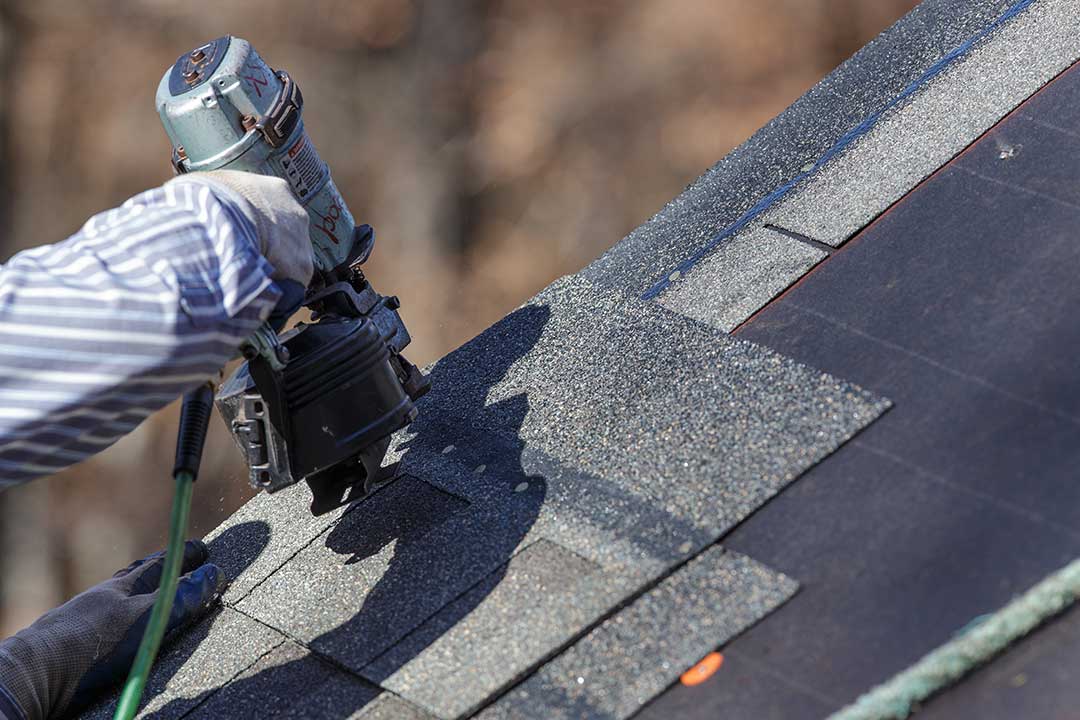
Yes. Many warranties require reasonable maintenance, and failure to address a known problem can complicate a claim.
Homeowners should keep records of inspections, repairs, invoices, photographs, and communications. Useful maintenance records may show that:
- Gutters and downspouts were kept reasonably clear
- Missing or damaged roofing materials were addressed
- Flashing problems were not ignored
- Snow-related damage was documented
- Ventilation or moisture concerns were investigated
- Repairs were performed according to the warranty requirements
Maintenance does not mean accepting responsibility for every roof problem. It means being able to demonstrate that obvious conditions were not allowed to worsen through neglect.
What should be included in a roofing contract?
In New York, home improvement work generally requires a written contract with specific project information. For roofing work, the agreement should identify the materials, scope of work, payment terms, approximate schedule, and warranty obligations.
A homeowner should look for clear language about:
- The exact roofing products and accessories being installed
- The responsible party for material defects
- The duration of workmanship coverage
- The process for reporting a suspected defect
- The time allowed for inspection and response
- Whether labor and related repairs are included
- Who handles a manufacturer claim
- What happens if the original installer is no longer operating
Verbal statements should be treated cautiously. If a particular promise matters—such as coverage for leaks, labor, or flashing—it should appear in the written contract or warranty.
What should a homeowner do when a roof problem appears?
Begin by documenting the condition. Take photographs of the exterior, attic, ceilings, walls, and any visible staining. Record the date, weather conditions, location of the problem, and any temporary steps taken to limit damage.
Then review both the material warranty and the workmanship warranty. Notice requirements can be strict, and some documents require prompt written notification. Avoid making permanent repairs before the responsible party has had a reasonable opportunity to inspect the suspected defect, unless immediate action is necessary to prevent additional damage.
A warranty claim should describe the problem plainly rather than asserting a conclusion. “Water staining appeared below the roof-to-wall intersection after heavy rain” is more useful than simply stating that “the roof failed.”
Are home warranties the same as roof warranties?
Usually not. A “home warranty” is commonly a service contract covering selected household systems or appliances. It is different from a roofing material warranty and different from a contractor’s workmanship promise.
Service contracts may have service fees, claim limits, exclusions, waiting periods, and approval procedures. They should not be assumed to replace the written warranties provided with a new roof installation.
What is the most important warranty question?
The most important question is not “How many years is the warranty?” It is “What exact event triggers coverage, and what costs will be paid if that event occurs?”
A useful warranty is specific about defects, responsibilities, exclusions, claim procedures, and remedies. Before storing the paperwork, homeowners should keep the contract, product information, installation records, photographs, and proof of payment together. Those records can be especially valuable years later, when the original project is harder to reconstruct.
