
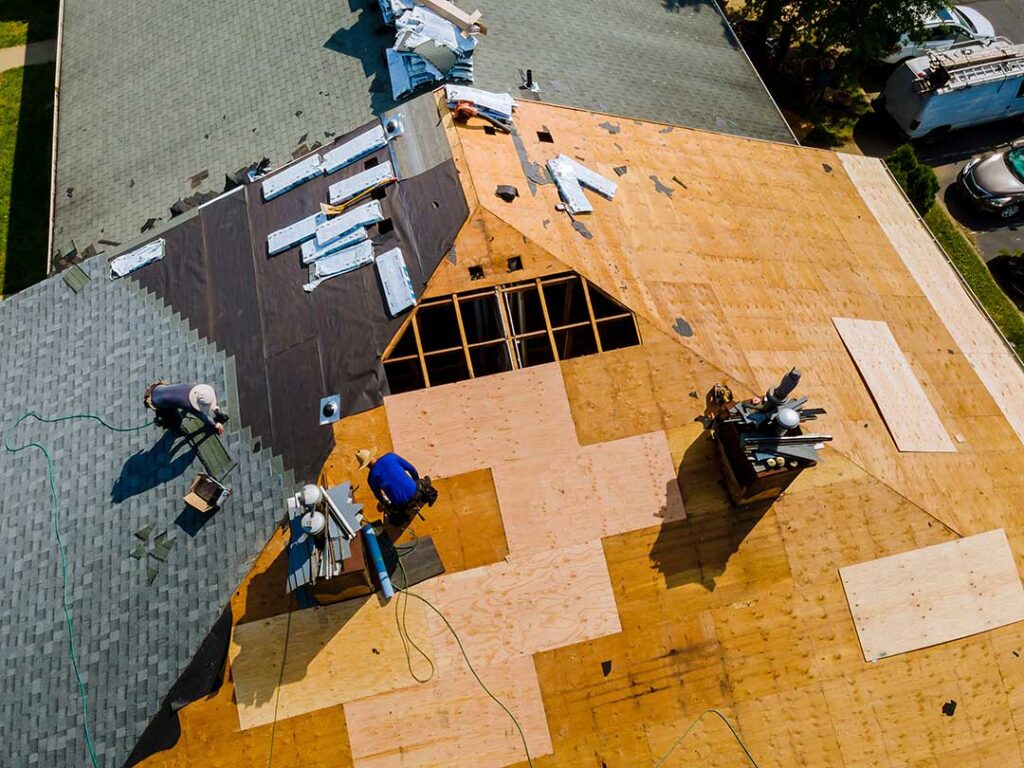
How can aging be identified on a roof?
Aging appears differently on asphalt shingles, metal panels, slate, wood shakes, and flat roofing systems. The most reliable approach is to look for changes in the roof’s surface, drainage components, fasteners, edges, and interior spaces rather than judging age by appearance alone.
In Ithaca, NY, seasonal freeze-thaw cycles, snow, ice, wind, heavy rain, shade, and falling branches can make a roof show wear sooner in some areas than others. A roof may still look acceptable from the ground while developing problems around valleys, chimneys, skylights, vents, and eaves.
Common signs of an aging roof include:
- Repeated leaks or water stains
- Loose, missing, cracked, curling, or deteriorated roofing materials
- Sagging areas or uneven roof lines
- Rust, corrosion, exposed fasteners, or failed sealants
- Granules collecting in gutters or at downspout outlets
- Moss, algae, or plant growth that stays damp
- Daylight visible through the roof deck from an attic
- Damaged flashing around roof openings
A single minor defect does not always mean the entire roof has reached the end of its service life. The pattern, location, and frequency of defects provide better clues.
What does aging look like on asphalt shingles?
Aged asphalt shingles often become brittle, lose surface granules, and develop distorted edges. Shingles may curl at the corners, crack across their faces, or lose the protective granules that provide color and help shield the asphalt from sunlight.
Granules in gutters can be an early warning sign, especially when they appear in large amounts after ordinary rainfall. Small amounts may result from normal wear, but continued buildup can indicate that the shingle surface is breaking down.
Look for these conditions:
- Bald patches where the underlying mat is visible
- Curling or lifted shingle edges
- Cracks that run through individual shingles
- Missing shingles after wind or storms
- Dark streaks caused by biological growth
- Uneven areas that may suggest movement below the shingles
Dark streaks are often mistaken for advanced roof failure. They may be caused by algae and can remain mostly cosmetic for some time. Curling, cracking, granule loss, and exposed fasteners are more useful indicators of material aging.
Because asphalt shingles are installed in overlapping layers, a roof can appear intact while underlayment, flashing, or roof decking has already experienced moisture damage. Attic inspection is especially helpful where exterior evidence is unclear.
How does an aging metal roof appear?
Metal roofs usually show aging through corrosion, coating failure, loose connections, sealant breakdown, and movement-related problems rather than through surface granule loss.
Painted or coated panels may fade unevenly, chalk, blister, or peel. Rust commonly begins at cut edges, scratches, seams, valleys, fasteners, and locations where water remains trapped. A small rust spot is not automatically a structural problem, but spreading corrosion can eventually create holes or weaken panel connections.
Standing-seam and exposed-fastener systems require different observations. On exposed-fastener roofs, washers and fasteners may harden, loosen, or allow water around the penetration points. On standing-seam roofs, seams, clips, edges, and penetrations deserve closer attention.
Snow and ice can place additional stress on metal roofing components. Sliding snow may damage gutters, trim, or lower roof edges. Repeated expansion and contraction can also enlarge openings around fasteners and sealants over time.
An aging metal roof may still be serviceable if the panels remain sound and water is draining properly. The key question is whether deterioration is limited to replaceable details or has spread through the panels and supporting structure.
What are the warning signs on slate roofing?
Slate can last for many decades, but individual pieces may crack, delaminate, flake, or slide out of position. The appearance of the slate alone does not tell the entire story because the supporting flashings, fasteners, underlayment, and roof structure may age at a different rate.
Watch for:
- Broken or missing slate pieces
- Slate surfaces that split into thin layers
- Loose pieces visible in gutters or on the ground
- Nail pops or displaced slates
- Open joints around chimneys, walls, and valleys
- Sagging sections beneath the slate
A common misconception is that any roof with a few broken slate pieces needs complete replacement. Localized repairs may address isolated damage, but widespread brittleness, recurring displacement, or failing flashings can indicate a broader aging problem.
Slate is heavy, so sagging should not be ignored. It may reflect deterioration in roof framing or decking rather than a problem with the slate surface alone.
How can aging be recognized on wood shakes and shingles?
Wood roofing changes gradually as it absorbs moisture, dries, and responds to sunlight. Aging wood shakes and shingles may split, curl, warp, soften, or develop fungal decay.
The lower edges and shaded portions are often the first areas to deteriorate. Persistent moss or leaves can hold moisture against the wood, slowing drying after rain or snow. In heavily shaded parts of the city, moisture-related aging may be more pronounced than on sunnier roof slopes.
Signs of advanced wear include:
- Deep cracks running with the grain
- Soft or crumbly wood
- Missing sections
- Widespread curling or cupping
- Green or black decay near edges
- Gaps that allow light into the roof assembly
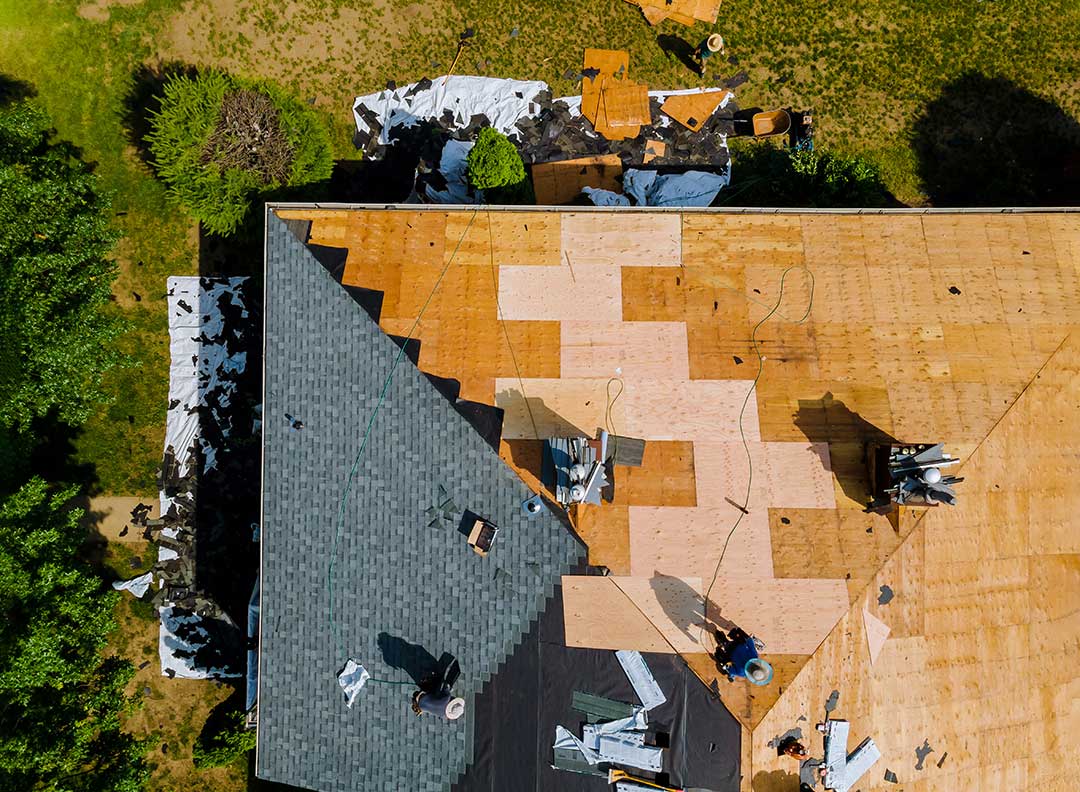
Surface discoloration is not always a structural concern, but soft wood and widespread splitting indicate reduced weather resistance. Wood roofing also needs adequate ventilation and drainage; poor airflow can accelerate deterioration from the underside.
What does aging look like on flat and low-slope roofs?
Flat and low-slope roofs often age through water-related damage. Since these roofs depend on carefully designed drainage, ponding water is a major warning sign.
Look for:
- Depressions where water remains after rain
- Blisters, bubbles, or lifted membrane sections
- Open seams
- Cracked or shrinking coatings
- Deteriorated flashing at edges and penetrations
- Rusting metal around drains
- Wet insulation or stained ceiling areas
Ponding that remains for more than a short period can add weight, stress seams, and accelerate membrane deterioration. Snow accumulation may conceal drainage problems during winter, while spring thaw can reveal leaks that were not obvious during the coldest months.
Flat-roof aging is not judged only by the membrane. Drains, scuppers, edge metal, parapet walls, and transitions between materials can determine whether water stays out of the building.
Which roof areas age faster than the rest?
Roof aging is rarely uniform. Valleys, eaves, ridges, roof edges, and penetrations usually experience more stress than broad, open slopes.
Valleys carry concentrated runoff and may collect leaves, ice, and debris. Eaves are exposed to ice dams and repeated wetting. Chimneys, skylights, plumbing vents, and wall intersections depend on flashing that can loosen or crack before the main roofing material fails.
Northern-facing or shaded roof slopes may dry more slowly. Areas beneath overhanging trees may collect debris and experience impact damage. Roof sections near poorly ventilated attics may also experience moisture buildup, which can affect decking, insulation, fasteners, and the underside of the roofing material.
How can homeowners distinguish normal aging from urgent damage?
Normal aging usually involves gradual cosmetic changes, limited wear, and predictable deterioration without active water entry. Urgent damage is more likely when there are leaks, sagging, exposed roof decking, large missing sections, widespread structural movement, or water reaching electrical components.
After a major wind, ice, or snow event, a ground-level inspection can identify obvious problems without requiring anyone to walk on the roof. Binoculars can help reveal displaced materials, damaged flashing, and sagging areas.
Inside the building, check attic spaces and upper-floor ceilings for:
- Fresh stains or damp insulation
- Musty odors
- Mold-like growth
- Daylight through the roof deck
- Drips during rain or thawing conditions
- Rust around nails or metal connections
Walking on steep, wet, icy, brittle, or slate-covered roofing can cause injury and additional damage. Hazardous conditions, active leaks, structural sagging, and suspected electrical contact require prompt attention from a qualified, properly insured roofing or building professional.
A roof’s age is useful background information, but condition matters more than the calendar. Two roofs installed in the same year can age very differently because of slope, ventilation, shade, drainage, storm exposure, installation quality, and maintenance history.
