
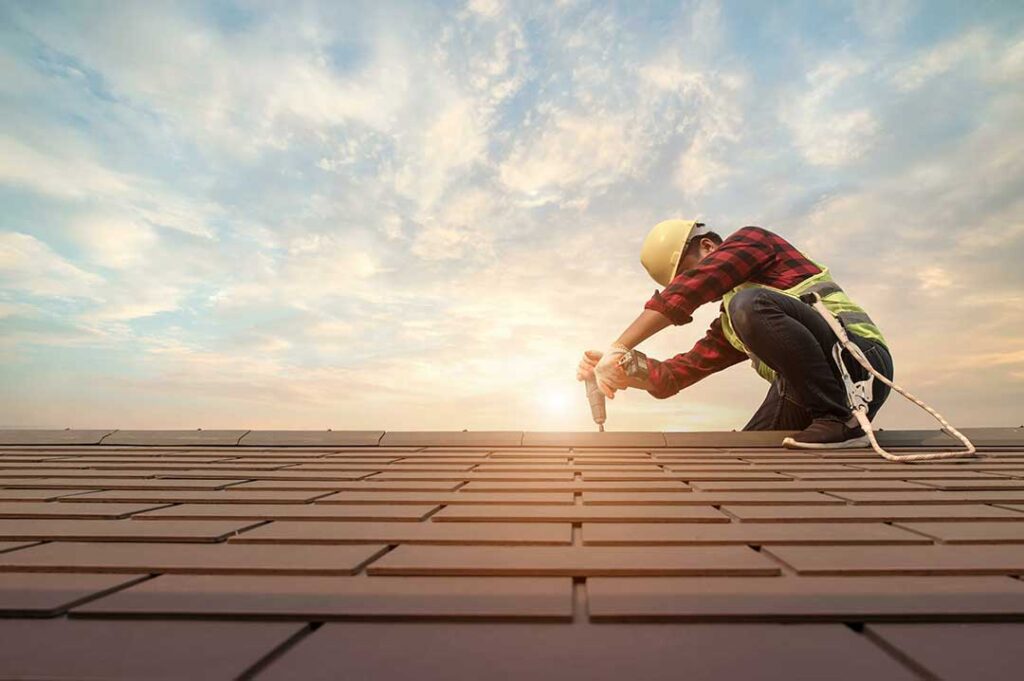
Choosing a roofing material involves more than comparing appearance and price. The right option depends on the roof’s slope, structural capacity, exposure to snow and ice, maintenance expectations, and the character of the house.
For homes in Ithaca, NY, seasonal conditions deserve particular attention. Roofs must handle repeated freeze-thaw cycles, heavy rain, snow, ice buildup, falling branches, and occasional wind. A material that performs well in a dry climate may not be equally practical here.
Which roofing materials are most common?
Asphalt shingles are the most widely used option for residential roofs, but homeowners may also consider metal, slate, wood, clay or concrete tile, and synthetic roofing products. Each has a different balance of cost, weight, lifespan, appearance, repairability, and weather resistance.
No material is ideal for every house. The roof structure, ventilation, flashing, underlayment, and installation quality can affect performance just as much as the visible covering.
Are asphalt shingles a practical choice for local homes?
Yes. Asphalt shingles are usually the most accessible and adaptable roofing material for residential properties. They are available in many colors and styles, work on most sloped roofs, and are relatively straightforward to repair.
Advantages
- Generally lower initial cost than metal, slate, or tile
- Suitable for many roof shapes and slopes
- Available in standard and heavier architectural styles
- Easier to replace in sections after storm or branch damage
- Familiar to many building inspectors and roofing crews
- Less structural reinforcement may be needed than with heavy materials
Architectural asphalt shingles are thicker and more dimensional than basic three-tab shingles. They often provide better wind resistance and a longer expected service life, though the exact performance depends on the product and installation.
Drawbacks
- Shorter service life than slate, high-quality metal, or some tile systems
- Can lose granules as the roof ages
- May become brittle after years of repeated temperature changes
- Dark colors can absorb more heat during sunny weather
- Damaged shingles may allow water entry before leaks become visible indoors
For many area households, asphalt is a reasonable compromise between cost, appearance, and maintenance. The main concern is avoiding the assumption that all asphalt shingles perform the same. Product quality, attic ventilation, ice-barrier details, and flashing around chimneys and roof valleys matter.
What are the benefits and limitations of metal roofing?
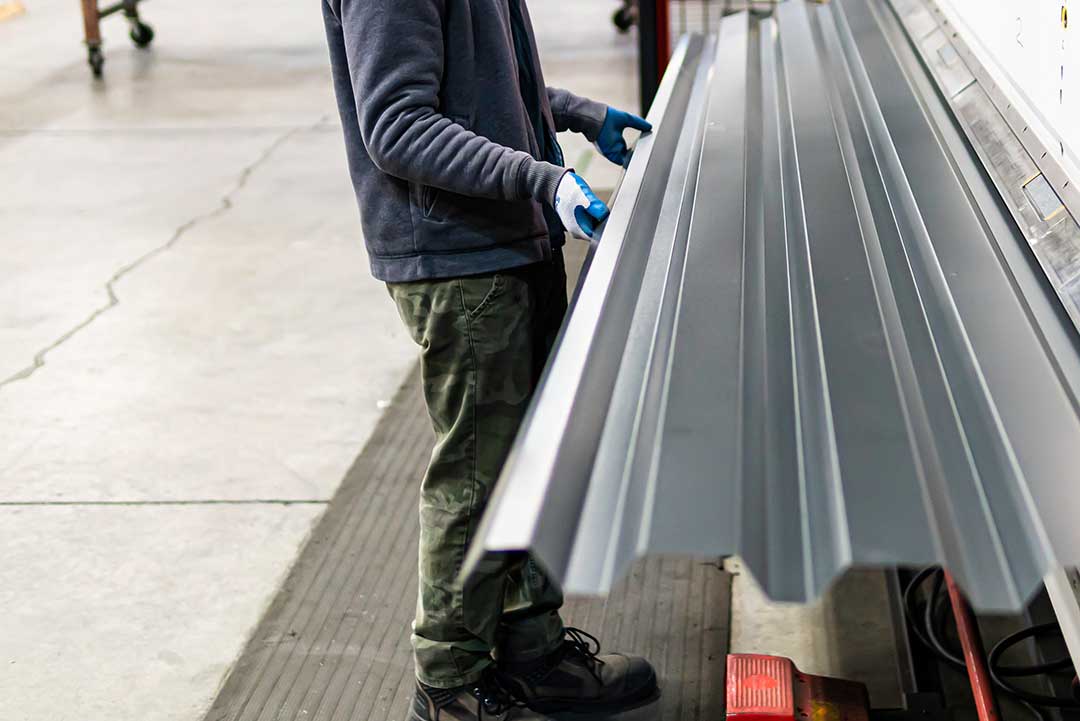
Metal roofing can provide long service life and strong resistance to rain, snow, wind, and fire. It is available in standing-seam panels and smaller stamped panels or shingles that resemble other materials.
Advantages
- Often lasts longer than standard asphalt shingles
- Sheds rain and snow efficiently when properly designed
- Resists rot, insects, and many forms of moisture damage
- Relatively lightweight compared with slate or concrete tile
- Can be installed in recyclable steel, aluminum, copper, or other alloys
- Light-colored or reflective finishes may reduce summer heat gain
Metal roofs are sometimes assumed to be excessively noisy. In practice, attic insulation, roof decking, and interior finishes usually reduce sound substantially. Noise is more noticeable when panels are installed over open framing without a solid roof deck.
Drawbacks
- Higher initial cost than most asphalt systems
- Scratches or coating damage can create maintenance concerns
- Snow may slide suddenly from steep, smooth panels
- Expansion and contraction require properly designed fasteners and seams
- Repairs can be more specialized, particularly on standing-seam systems
- Some metal systems may look out of place on older architectural homes
Metal can be a strong choice for a roof with a suitable slope and good snow-shedding design. Snow guards may be useful above entrances, walkways, patios, or lower roof sections.
Is slate roofing worth the added weight and expense?
Slate is a natural stone roofing material known for longevity and a distinctive appearance. Properly selected and maintained slate can last for many decades, sometimes longer than the building’s other exterior components.
Advantages
- Very long potential service life
- Excellent resistance to fire, rot, and insects
- Maintains a refined appearance over time
- Performs well in wet climates when correctly installed
- Individual pieces can sometimes be replaced without removing the entire roof
Drawbacks
- Heavy and unsuitable for some existing roof structures
- Expensive to install and repair
- Can crack if walked on improperly or struck by falling objects
- Requires compatible flashing, fasteners, and underlayment
- Older slate roofs may have fragile sections that are difficult to match
Before choosing slate, the building must be evaluated for structural capacity. Replacing an existing lightweight roof with slate is not simply a material swap; the supporting framing may need significant changes.
How do wood shingles and shakes perform?
Wood roofing offers a natural appearance that can suit cottages, older homes, and buildings surrounded by mature trees. Shingles are generally sawn, while shakes have a more textured, split appearance.
Advantages
- Warm, natural visual character
- Can blend well with wooded properties and traditional architecture
- Some wood species resist decay better than others
- May provide moderate insulation value compared with thin metal panels
Drawbacks
- Requires more maintenance than many asphalt or metal systems
- Vulnerable to moisture, decay, moss, and insects
- Shakes may dry unevenly or split after repeated weather exposure
- Nearby trees can increase the risk of falling-branch damage
- Fire-resistance requirements may limit where certain products can be used
Wood roofing needs adequate airflow, regular removal of leaves, and careful attention to shaded or damp areas. It is less forgiving when maintenance is delayed.
What should homeowners know about clay and concrete tile?
Tile is durable and visually distinctive, but its weight is the main limitation. Clay tile can last a long time and resists rot and insects. Concrete tile is often less expensive than clay and can imitate slate or other textures.
Tile roofing may be vulnerable to cracking from impact, improper foot traffic, or structural movement. Cold-weather performance depends on the specific product, installation method, and water-management details. Because tile systems are heavy, structural review is essential before installation.
These materials are less common on many local houses, but they can work well when the structure and architectural style support them.
Are synthetic roofing materials a useful alternative?
Synthetic slate, composite shingles, and other manufactured products are designed to imitate natural materials while reducing weight and, in some cases, simplifying installation.
Their potential advantages include:
- Lower weight than natural slate or tile
- More consistent dimensions
- Resistance to rot and insects
- A wider range of colors and profiles
- Easier handling during installation
The limitations are equally practical. Long-term performance varies by product, and some newer materials have less real-world history than traditional roofing. Homeowners should examine warranty terms, repair procedures, fire ratings, impact ratings, and how replacement pieces will be obtained years later.
Which roofing material handles snow and ice best?
There is no single “best” material for snow and ice. Roof slope, attic insulation, ventilation, underlayment, flashing, and drainage design are equally important.
In Ithaca, repeated freeze-thaw conditions can create ice dams when heat escapes into the attic and melts snow on the upper roof. The water may refreeze near colder eaves and back up beneath the roof covering. A durable surface cannot fully compensate for poor attic or edge detailing.
Useful questions include:
- Does the roof have an appropriate slope for the selected material?
- Is an ice-barrier underlayment installed where required?
- Are valleys, chimneys, skylights, and wall intersections properly flashed?
- Can snow slide into unsafe areas below?
- Is the roof structure adequate for the material’s weight and local loads?
- Does the attic have balanced insulation and ventilation?
How should the final choice be made?
Start with the existing structure and the building’s exposure rather than appearance alone. A lightweight roof may be more practical for an older home, while a long-lasting material may make sense for a structure that can support it and is expected to remain in use for many decades.
For most homeowners, the decision comes down to four trade-offs: initial cost, expected service life, maintenance demands, and compatibility with the building. Asphalt often offers the simplest balance. Metal can provide durability with moderate weight. Slate and tile may offer exceptional longevity but require greater structural and financial commitment. Wood and synthetic products can meet specific aesthetic or design goals but deserve closer attention to maintenance and product history.
Local code requirements, snow-load design, fire ratings, and ice-barrier provisions should be confirmed before a roof replacement or major alteration. Unsafe roof access, structural sagging, active leaks near electrical equipment, or suspected storm damage should be treated as safety issues rather than ordinary maintenance.
