
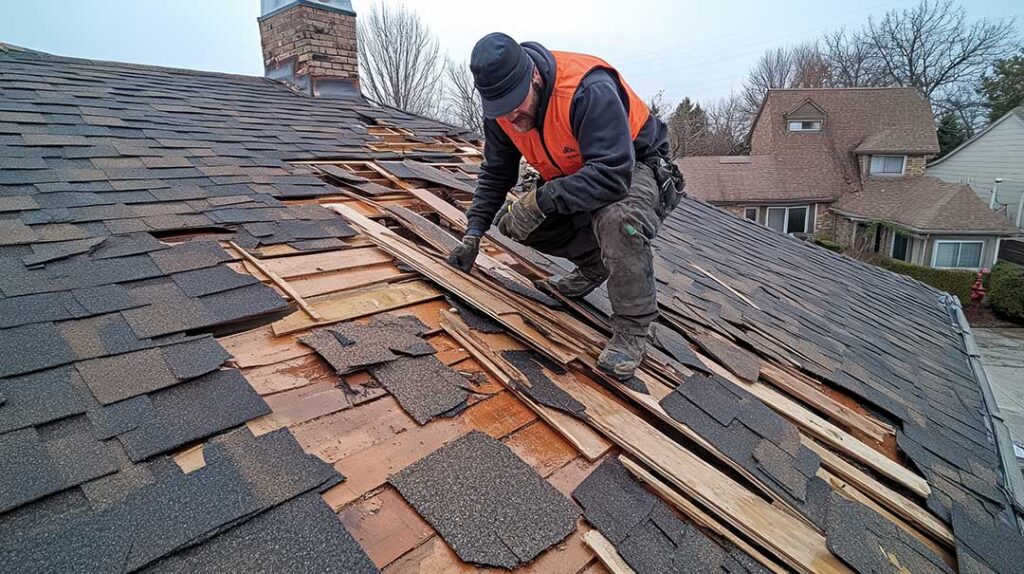
Leaving home for a few days or several weeks requires more than locking the doors and setting the thermostat. The roof and attic remain exposed to wind, rain, snow, ice, falling branches, and changing temperatures while no one is there to notice a problem.
A short pre-vacation inspection can help identify small issues before they become interior leaks or structural damage. The most useful preparation depends on the season, the length of the trip, and the condition of the roof.
What should be checked before leaving?
Before vacation, look for visible signs that the roof may not be ready to handle changing weather. A ground-level inspection is safer than climbing onto the roof.
Check for:
- Missing, lifted, cracked, or visibly damaged shingles
- Sagging areas along the roofline
- Loose or damaged flashing around chimneys, skylights, plumbing vents, and wall intersections
- Gutters pulling away from the fascia
- Downspouts that are blocked, disconnected, or draining beside the foundation
- Moss or heavy debris collecting near roof edges
- Exposed roofing underlayment or deteriorated sealant
- Water stains on ceilings, walls, or attic framing
A roof does not have to be actively leaking to deserve attention. Small openings may allow wind-driven rain or melting snow to enter only under certain conditions. Those problems can remain hidden until the home is empty.
If a leak is already present, placing a bucket beneath it is not a reliable vacation plan. Water can travel along rafters, insulation, wiring, or ceiling materials before becoming visible in the living space.
How should gutters and downspouts be prepared?
Gutters should be clear enough to carry rainwater and melting snow away from the roof and foundation. Leaves, twigs, pine needles, and roof grit can restrict flow, especially during autumn and after windy weather.
Before leaving:
- Remove accumulated debris from gutters if it can be done safely.
- Confirm that downspouts are attached and direct water away from the foundation.
- Check that extensions have not shifted or become buried.
- Look for standing water or sagging sections that indicate poor drainage.
- Make sure snow, branches, or stored items are not blocking the discharge area.
In older homes and homes surrounded by mature trees, gutter maintenance may need to be more frequent. A clean gutter can still overflow if the slope is incorrect or if an underground drain has become blocked.
Avoid leaning a ladder against unstable gutters. If access requires working at a dangerous height, postponing the task is not worth the risk.
What changes during winter travel?
Winter departures require attention to snow, ice, freezing temperatures, and indoor humidity. Cold conditions can expose weaknesses that are less noticeable during warmer months.
Keep the heating system set high enough to protect plumbing and maintain a stable indoor temperature. Turning heat off entirely can allow pipes to freeze, particularly in exterior walls, crawl spaces, garages, and areas near plumbing penetrations.
The roof also benefits from consistent attic conditions. Warm, moist air escaping into a cold attic can contribute to condensation, damp insulation, wood deterioration, and ice dam formation. Bathroom fans, kitchen exhaust fans, and clothes dryers should vent outdoors rather than into the attic.
Before a winter trip, inspect the attic if it is safely accessible. Look for:
- Damp insulation
- Frost or water droplets on roof sheathing
- Dark staining or mold-like growth
- Daylight visible around roof penetrations
- Compressed insulation near the eaves
- Blocked soffit or ridge ventilation
Do not chip ice from shingles or use makeshift heating devices on the roof. Both actions can damage roofing materials or create a safety hazard.
Should snow be removed from the roof?
Most homeowners should not attempt to remove roof snow themselves. Walking on a snowy or icy roof can cause falls, damage shingles, and disturb flashing.
A few inches of light snow is not automatically an emergency. Concern increases when snow is wet and heavy, drifts are concentrated in one area, or the roof shows signs of sagging. Problems may also develop where a lower roof meets a taller roof, around dormers, or behind large obstructions that collect drifting snow.
If a neighbor or property caretaker will check the home, provide clear instructions to look for unusual sagging, fallen branches, blocked exits, or water entering the attic. They should not climb onto the roof unless they are properly equipped and trained.
What should be done during spring and summer trips?
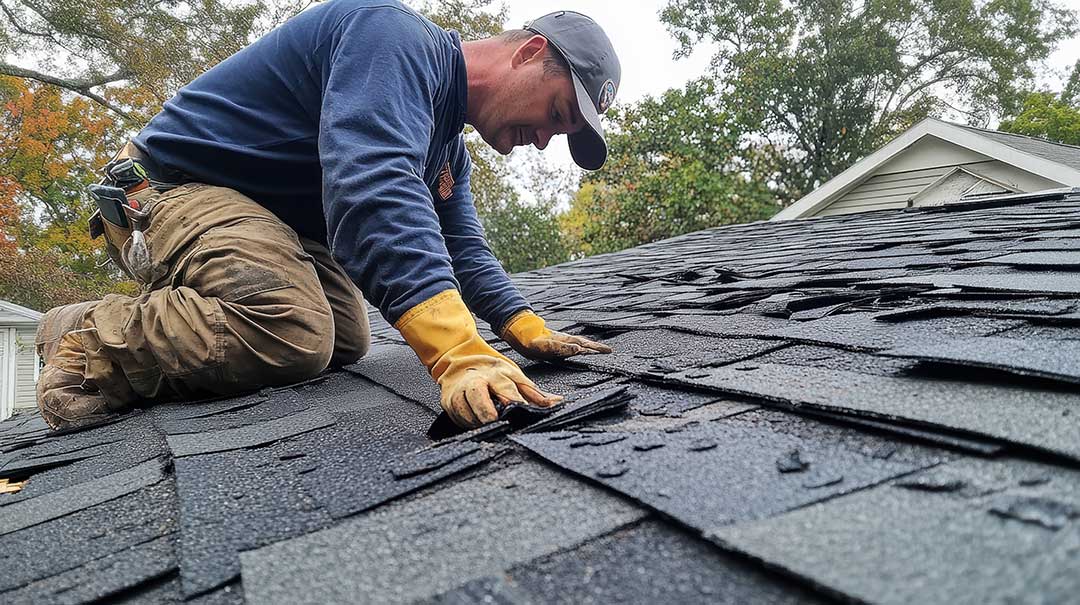
Warm-weather preparation focuses on storms, heavy rain, wind, and tree damage. Summer thunderstorms can bring sudden rainfall and strong gusts, even when the forecast appears calm several days in advance.
Trim or remove dead branches that overhang the roof when this can be done safely. Branches rubbing against shingles can wear away protective surfaces, while larger limbs may puncture the roof during a storm.
Also check that:
- Skylights and roof windows are closed and latched.
- Attic vents are not blocked by nests, leaves, or stored materials.
- Solar-powered attic fans or other equipment are not loose or damaged.
- Loose outdoor items are secured so they cannot strike the roof.
- The attic does not become excessively hot or humid.
A vacation home should not be sealed so tightly that normal ventilation is blocked. Attic ventilation and indoor air sealing serve different purposes: ventilation helps manage attic conditions, while air sealing limits warm, moist household air from entering the attic.
Is it necessary to shut off the water?
Roof preparation and plumbing preparation overlap because a small roof leak can cause much more damage when water continues flowing through the home. For longer trips, consider shutting off the main water supply if the plumbing system and household procedures allow it.
If the water is shut off, open a faucet briefly to relieve pressure, but do not drain systems or adjust heating equipment without understanding how the home is configured. Homes with fire sprinklers, boilers, well systems, or special plumbing arrangements may require different precautions.
Even with the water turned off, keep enough heat in the home during freezing weather. Shutting off water does not prevent all freeze damage, especially if water remains in pipes, fixtures, heating systems, or exterior hose connections.
How can someone monitor the home while away?
A trusted person should know that the home is vacant and have access instructions for emergencies. Ask that person to check the interior after severe weather, not just collect mail.
Useful items to provide include:
- The location of the main water shutoff
- Instructions for the heating system
- A way to report ceiling stains, dripping sounds, or unusual odors
- Contact information for the homeowner
- Permission to photograph damage before cleanup
- Instructions for dealing with fallen branches or blocked entrances
After a major windstorm, heavy rain, or snow event, an interior check can reveal problems that are invisible from the street. Attic access is especially useful when a ceiling stain has appeared but the source is uncertain.
What should happen after returning?
Walk around the home before resuming normal activities. Check ceilings, upper walls, attic areas, and floors beneath skylights or roof penetrations. Look for fresh stains, peeling paint, damp insulation, musty odors, or new sounds during rainfall.
Outside, inspect the roofline from the ground for missing materials, displaced flashing, sagging gutters, and fallen branches. If damage is visible, avoid disturbing the area until it has been documented and made safe.
The most effective vacation preparation is usually routine: identify small defects, control moisture, keep drainage paths clear, maintain safe indoor temperatures, and arrange a timely check after severe weather. Those steps are particularly useful for area households managing snow, freeze-thaw cycles, summer storms, and older housing stock.
