
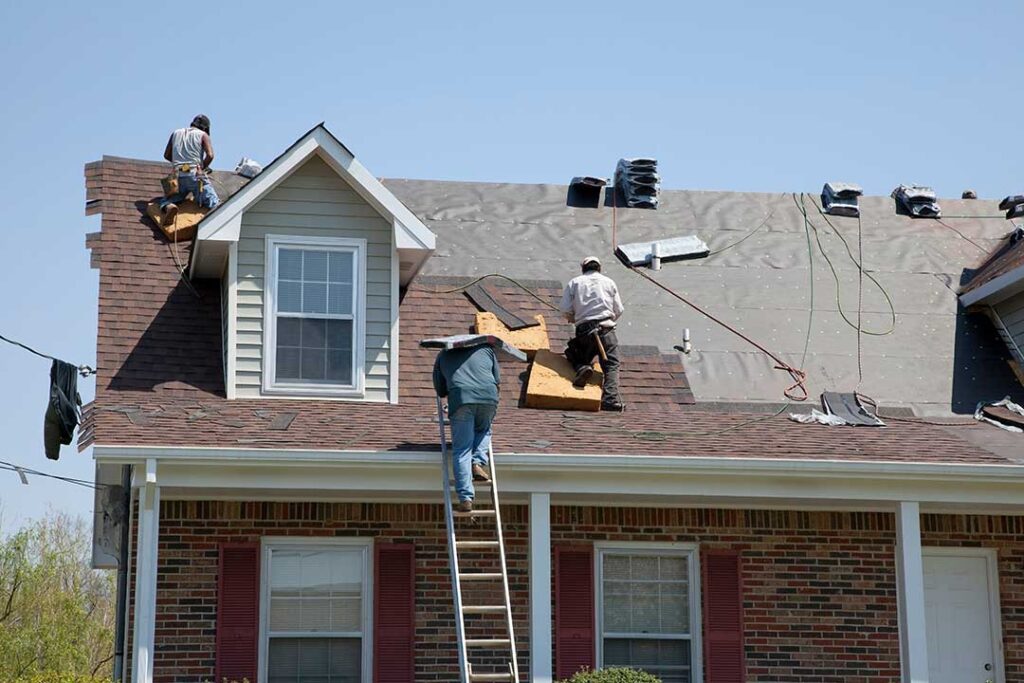
Roof work can sometimes be handled by a careful homeowner, but only when the task, weather, roof design, equipment, and personal experience all stay within a reasonable safety margin. Minor work from the ground or a properly positioned ladder is very different from walking on a sloped roof, replacing shingles near an edge, or removing roofing materials.
For residents of Ithaca, NY, seasonal conditions add another consideration. Snow, ice, spring moisture, wind, and shaded areas can make a roof unsafe even when it appears dry from the ground.
Which roof tasks are usually reasonable for a homeowner?
The safest do-it-yourself roof tasks are those that do not require standing on the roof or working close to an unprotected edge. Examples may include:
- Inspecting roof surfaces from the ground with binoculars
- Cleaning leaves from gutters while standing securely on the ground or from a properly placed ladder
- Replacing a damaged downspout section
- Removing small amounts of debris from a low, accessible roof edge
- Checking attic insulation, ventilation openings, or visible water stains from inside the home
- Replacing a loose exterior vent cover when it can be reached safely without climbing onto the roof
Even these tasks require attention to ladder placement, electrical hazards, unstable ground, and falling objects. A ladder should rest on a firm, level surface, remain clear of overhead wires, and be used according to its instructions. Never place a ladder on ice, snow, wet leaves, loose soil, or an improvised platform.
A useful rule is simple: if the task can be completed without stepping onto the roof, the risk is usually much lower.
When is it unsafe to work on a roof?
Roof work becomes unsafe when a fall, slip, or loss of balance could occur without a reliable way to prevent or stop it. Homeowners should not climb onto a roof when any of these conditions are present:
- Snow, frost, ice, rain, or visible moisture
- Strong or gusty wind
- A steep roof slope
- Loose, brittle, moss-covered, or damaged roofing materials
- Missing, weak, or unstable roof decking
- A roof edge without guardrails or a properly installed fall-protection system
- Poor visibility, fading daylight, or inadequate lighting
- Power lines near the ladder or work area
- The need to carry heavy, bulky, or awkward materials while climbing
- A roof that is more than one story above the ground
- A medical condition, balance problem, fear of heights, or medication that may affect alertness
Cold weather deserves special caution in the local climate. A roof may look clear while thin ice remains in shaded valleys, near dormers, behind chimneys, or along gutters. Frost can also make asphalt shingles unexpectedly slick. Waiting for a dry, calm, daylight period is safer than trying to work around an urgent but non-emergency repair.
Is it safe to replace a few shingles yourself?
Replacing one or two shingles may be physically possible for an experienced person, but the work is not automatically safe. The main risks are falling, damaging the roofing system, and creating a leak while trying to correct a small problem.
A homeowner should consider this task only if all of the following are true:
- The roof is low-slope and easy to access
- The surface is dry, clean, and in good condition
- The repair area is well away from the edges
- A properly secured ladder provides safe access
- The correct fall-protection equipment is available and understood
- No structural damage, sagging, or widespread deterioration is visible
- The person can work without stretching, kneeling near an edge, or carrying materials in both hands
A harness by itself does not make roof work safe. Fall-arrest equipment must be connected to a suitable anchor, fitted correctly, and used with enough clearance to prevent striking a lower surface. An improperly installed anchor can fail or damage the roof structure. Many homeowners have not had the training needed to evaluate these systems.
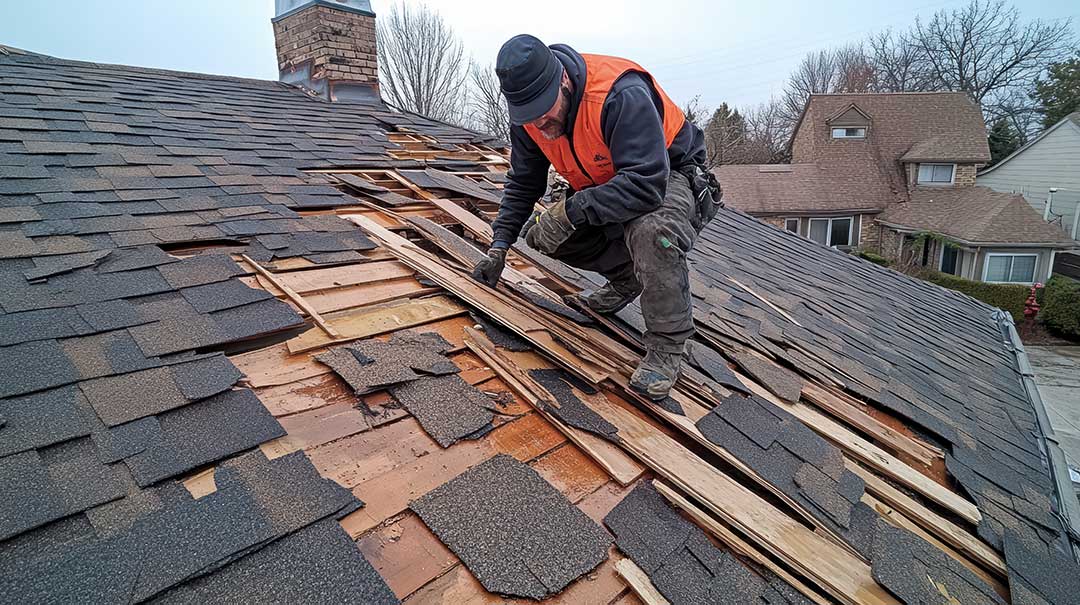
If the repair requires walking near a gable edge, working above a porch, crossing a steep section, or removing several layers of roofing, it is outside the safer range of ordinary DIY work.
What about gutter cleaning and roof inspections?
Gutter cleaning is often considered a routine household chore, but falls from ladders are a common source of serious injuries. A ladder should be positioned so the worker does not need to lean sideways, reach beyond the rails, or step onto the top rungs. Someone on the ground can help stabilize the ladder, but holding it does not replace proper setup.
For many homes, a ground-level inspection is the safest first step. Look for:
- Shingles on the ground
- Dark stains or streaks below roof penetrations
- Sagging rooflines
- Damaged flashing around chimneys, skylights, and vents
- Gutters pulling away from the fascia
- Granules collecting at downspout outlets
- Water stains on ceilings or upper walls
An attic inspection can reveal leaks without exposing anyone to the roof surface. Check for damp insulation, daylight entering through the roof deck, mold-like odors, and darkened wood. Do not step between ceiling joists unless solid walking boards are installed; the ceiling material may not support a person.
Why are chimneys, valleys, and roof edges especially risky?
Certain roof areas deserve more caution because they combine difficult footing with hidden damage. Valleys collect water, leaves, ice, and snow. Chimney areas may have deteriorated flashing or weakened roof decking. Eaves and rake edges offer little room to recover from a slip.
Roof penetrations also require careful repair. A leak around a vent or chimney may not originate exactly where water appears inside. Removing sealant or adding another layer of caulk can conceal the symptom without correcting damaged flashing, underlayment, or surrounding shingles.
Do not walk on roof sections that sag, feel soft, or show signs of rot. A roof deck can fail beneath a person even when the shingles look intact.
Does roof work require a permit in Ithaca?
Permit requirements depend on the scope of work and the governing jurisdiction. Replacing a small number of shingles may be treated differently from reroofing an entire structure, altering roof framing, adding a dormer, changing roof coverings, or modifying structural components.
Before beginning substantial work, verify requirements with the appropriate local building-code office. New York’s residential construction requirements can affect roof assemblies, ventilation, structural support, fire safety, and weather protection. A permit question should be settled before materials are removed, especially if the work involves more than surface repairs.
Following code is not just an administrative matter. Roof assemblies must manage water, snow loads, ice-related problems, ventilation, and connections between different materials.
When should DIY work stop immediately?
Stop work and move to a safe location if the roof becomes wet, wind increases, daylight fades, equipment shifts, or a repair reveals unexpected damage. Stop as well if the task requires more force than expected, exposes rotten decking, uncovers multiple layers of roofing, or creates a need to work around electrical service.
Temporary protection can reduce interior damage during an active leak, but tarps and plastic sheeting can also create serious fall hazards. Do not climb onto a wet or damaged roof to install an emergency covering. From inside the home, place containers under drips, move belongings away from the area, and document the location and extent of the leak.
The safest DIY roof work is limited, planned, performed in dry conditions, and completed without entering a situation where a mistake could produce a severe fall. If the job requires roof access, fall-protection equipment, structural judgment, or work near electrical hazards, the risk has moved beyond an ordinary household repair.
