
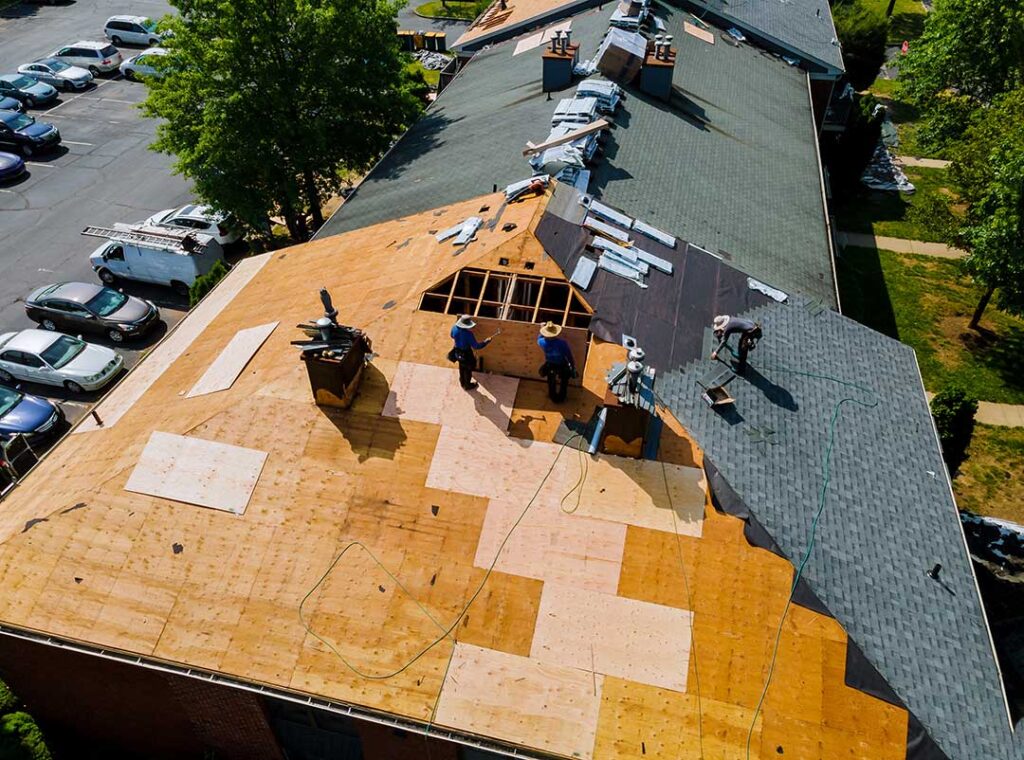
Regular roof maintenance helps prevent small defects from becoming leaks, structural damage, or premature replacement. For households in Ithaca, seasonal snow, repeated freeze-thaw cycles, wind, rain, falling branches, and summer humidity all place stress on roofing materials.
Maintenance does not mean inspecting every part of the roof every week. It means checking predictable trouble spots, keeping drainage systems clear, and addressing damage before water reaches the attic or living space.
Why does regular roof maintenance matter?
The main benefit is early detection. A cracked pipe boot, lifted shingle, blocked gutter, or damaged flashing may not cause an obvious leak immediately. Water can travel beneath roofing materials and remain hidden until it stains a ceiling, damages insulation, or weakens roof decking.
Routine attention can help:
- Reduce the likelihood of interior water damage
- Extend the useful life of shingles, flashing, and roof drainage components
- Identify storm damage before it worsens
- Protect attic insulation and ventilation
- Limit the growth of mold or wood decay caused by persistent moisture
- Make repair decisions more predictable and less urgent
A roof can appear sound from the ground while still having problems at valleys, roof edges, chimneys, skylights, vents, or areas where different materials meet.
How does Ithaca weather affect roof condition?
Ithaca receives substantial precipitation throughout the year and typically experiences significant winter snowfall. Roofs also face alternating periods of snow, rain, thawing, and refreezing. These conditions can expose weaknesses that might remain unnoticed in a milder or drier climate.
Snow itself is not always the primary concern. The greater risk may come from water that melts, moves toward a colder roof edge, and refreezes. This can create an ice dam, which may force water beneath shingles and into the roof assembly.
Seasonal conditions can also cause:
- Shingles to loosen or crack
- Flashing seams to open
- Gutters and downspouts to sag under debris or ice
- Fascia and soffit materials to absorb moisture
- Tree limbs to scrape or puncture roofing
- Moss or algae to retain moisture on shaded roof surfaces
Homes on exposed slopes or beneath mature trees may need more frequent observation than homes with less exposure.
What should homeowners check in spring?
Spring is a useful time to look for damage caused by winter weather. A ground-level inspection can reveal missing shingles, loose metal flashing, displaced ridge caps, damaged gutters, or unusual collections of roofing granules near downspouts.
Inside the attic, look for:
- Damp insulation
- Darkened wood
- Water stains
- Musty odors
- Daylight visible through the roof deck
- Frost or excessive condensation during cold weather
Not every ceiling stain indicates an active roof leak. Plumbing, ventilation, and exterior wall problems can also allow moisture into a home. Still, any unexplained staining deserves attention, particularly if it changes after rain or snowmelt.
Spring is also a good time to clear leaves, twigs, and sediment from gutters and downspouts. Water should discharge away from the foundation rather than collect beside the building.
What maintenance is useful before winter?
Fall maintenance is largely about keeping water moving and reducing avoidable snow-related problems. Gutters should be free of leaves and other debris before extended freezing weather begins. Downspouts should be securely connected and able to carry water away from the foundation.
Before winter, check whether:
- Shingles are curling, broken, or missing
- Metal flashing is bent, loose, or heavily corroded
- Sealant around roof penetrations has deteriorated
- Gutters pull away from the roof edge
- Downspouts are blocked or disconnected
- Tree branches overhang the roof or rest against it
- Attic insulation is displaced or ventilation openings are obstructed

A roof does not need to be perfectly warm to prevent ice dams. In fact, uneven roof temperatures can contribute to snow melting in some areas while other areas remain below freezing. Adequate attic insulation, air sealing, and ventilation help reduce heat transfer into the roof surface.
Can clean gutters prevent roof leaks?
Clean gutters cannot prevent every roof leak, but they reduce one common source of water damage. Blocked gutters allow rain and melting snow to overflow against fascia boards, siding, windows, and foundation walls. Ice and debris can also add weight that pulls gutters away from the roof edge.
Gutter maintenance is especially relevant where roofs have many overhanging trees. A roof may be in good condition while the drainage system is failing because of leaves, seed pods, roof granules, or compacted sediment.
Downspouts should be checked as well. A clear gutter is not useful if the downspout is blocked or releases water directly beside the foundation.
How often should a roof be inspected?
For many homes, a careful inspection in spring and another in fall provide a practical baseline. Additional checks make sense after high winds, heavy snowfall, ice storms, or falling branches.
Older roofs, shaded roofs, roofs with previous leak history, and buildings surrounded by trees may require closer observation. Maintenance frequency also depends on the roofing material, roof slope, attic conditions, and quality of earlier repairs.
Homeowners do not need to walk on the roof to perform basic maintenance. Wet, icy, steep, or damaged roofs create fall hazards, and walking on some roofing materials can cause additional damage. Binoculars, attic observations, and safe ground-level checks are often sufficient for routine monitoring.
What are the signs that a roof problem needs prompt attention?
Some warning signs should not be postponed:
- Active dripping during rain or snowmelt
- A ceiling that is bulging, sagging, or rapidly staining
- Large areas of missing or displaced shingles
- Exposed underlayment or roof decking
- A tree or heavy branch resting on the roof
- Significant ice buildup with water backing into the home
- Wet electrical components or water near light fixtures
- A strong moldy odor in the attic or upper floors
If water is near electrical wiring, fixtures, or outlets, turn off power to the affected area only if it can be done safely. Roof access during snow, ice, or high winds should be avoided.
Does maintenance eliminate the need for roof replacement?
No. Maintenance can slow deterioration and reduce preventable damage, but it cannot stop roofing materials from aging. Shingles eventually lose flexibility, protective granules, and weather resistance. Flashing, vents, seals, and drainage components may also reach the end of their service life at different times.
The purpose of maintenance is not to make an aging roof look new. It is to understand its condition, correct manageable problems, and recognize when continued patching may no longer provide dependable protection.
A simple record of inspections, repairs, leaks, storm events, and roof age can help households make better decisions. In a climate with snowy winters and frequent temperature changes, that record is often more useful than waiting for a visible ceiling leak to reveal the condition of the roof.
