

Hurricane season can affect Ithaca through strong winds, heavy rain, falling branches, and saturated ground, even though the city is inland. A roof that handles ordinary summer weather may still develop leaks or lose vulnerable materials during the remnants of a tropical storm. Preparing early is mainly a matter of finding weak points, improving drainage, and removing hazards before severe weather arrives.
What should homeowners check before hurricane season?
Begin with a visual inspection from the ground and from accessible attic areas. Do not climb onto a wet, steep, or damaged roof. Look for conditions that could allow wind-driven rain to enter or give strong winds an opportunity to lift roofing materials.
From the ground, check for:
- Missing, cracked, curled, or visibly loose shingles
- Exposed fasteners or areas where roofing material appears uneven
- Damaged flashing around chimneys, roof edges, vents, and skylights
- Sagging sections of the roofline
- Loose gutters, downspouts, fascia, or soffit panels
- Tree limbs that touch or hang over the roof
- Debris collecting in roof valleys or along drainage areas
Inside the attic, inspect the underside of the roof deck for dark stains, damp insulation, daylight, or water marks. Old stains may not indicate an active leak, but they show that moisture has entered at some point and deserves attention before a major storm.
Older homes in Ithaca may have roof additions, dormers, enclosed porches, or several roof slopes joined together. These transitions can have more flashing and sealant joints than a simple roof, creating additional places for wind-driven rain to penetrate.
How do gutters and downspouts protect the roof during severe rain?
Clean gutters and properly directed downspouts help move large amounts of rain away from the roof and foundation. Clogged or sagging gutters can overflow against fascia boards, siding, windows, and basement walls.
Remove leaves, twigs, roofing granules, and other debris from gutters and downspouts before the season begins. Confirm that water can pass through the full length of each downspout. Extensions or splash blocks should direct water away from the foundation rather than allowing it to collect beside the house.
Also check whether gutters are pulling away from the roof edge. Loose sections can become more damaged during high winds, and water may run behind the gutter instead of into it.
A roof does not need to be leaking for drainage problems to cause damage. During a prolonged rain event, overflowing water can saturate wood trim, enter wall cavities, and contribute to basement moisture.
Should trees and branches be part of a roof inspection?
Yes. Trees are one of the most significant storm hazards around a home. A dead branch can break during wind or when the ground becomes saturated, damaging shingles, roof decking, gutters, siding, vehicles, or utility lines.
Look for:
- Dead or hanging limbs
- Cracked branches
- Trunks leaning toward the house
- Branches rubbing against the roof
- Heavy growth directly above roof sections or power lines
Do not attempt to remove large limbs, trees, or branches near electrical wires. These conditions create serious fall and electrocution hazards. Small, reachable branches can sometimes be handled safely from the ground, but roof work should not be attempted during windy or wet conditions.
Keeping branches away from the roof also reduces the accumulation of leaves and twigs in valleys and gutters. That helps drainage throughout the season, not just during a named storm.
What roof repairs should be completed first?
Prioritize repairs that can allow water into the building or allow wind to lift roofing materials. Missing shingles, open flashing seams, damaged pipe collars, loose ridge caps, and exposed roof edges deserve early attention.
Small defects can become larger problems when rain is driven sideways. A loose shingle may expose the underlayment. A failed flashing joint may allow water behind masonry or siding. A damaged vent boot may leak into attic insulation without producing an obvious ceiling stain right away.
Avoid relying on tarps, caulk, or roofing cement as permanent solutions. Temporary materials may limit water entry for a short period, but they can conceal damage or fail under wind. Any temporary covering should be installed only when conditions are safe and should not require walking on a compromised roof.
If the roof has sagging, widespread missing materials, visible structural damage, or an opening into the attic, stay out of the area below it and arrange for qualified assistance. Structural damage can worsen without warning.
Are roof straps or hurricane clips necessary in Ithaca?
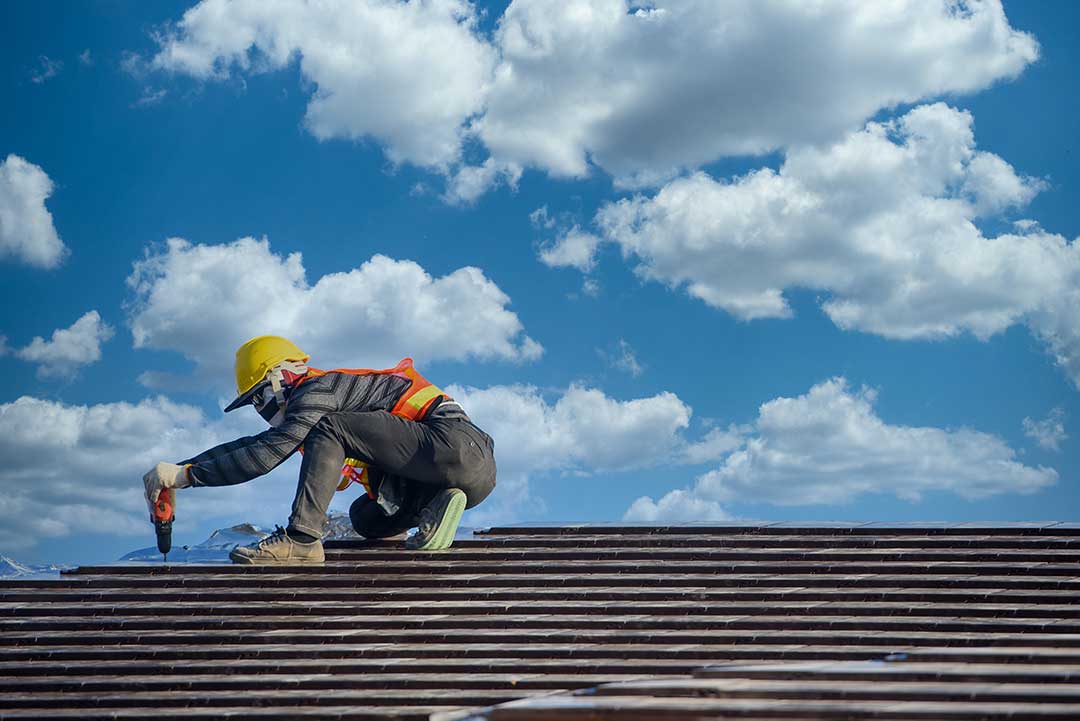
Roof-to-wall connectors, framing clips, and straps can improve resistance to wind uplift, but they are structural modifications rather than simple do-it-yourself roof repairs. Their usefulness depends on the home’s framing, connections, roof shape, and existing construction.
Older houses may have additions or framing changes that are not obvious from outside. Any structural reinforcement should be evaluated carefully and completed in accordance with applicable building requirements. Adding exterior fasteners or randomly installing clips does not guarantee that the roof will withstand severe wind.
For many households, basic maintenance—repairing loose roofing materials, securing gutters, clearing drainage paths, and removing tree hazards—offers the most practical preparation.
What should be secured around the roof before a storm?
Loose outdoor items can strike the roof or siding when winds increase. Before a storm, bring inside or securely anchor:
- Patio furniture
- Trash and recycling containers
- Ladders and garden tools
- Hanging planters
- Children’s outdoor equipment
- Lightweight decorations
- Unsecured construction or landscaping materials
Check roof-mounted equipment and attachments from the ground. Satellite dishes, antennas, solar equipment, vents, and other penetrations should not appear loose or tilted. Do not climb onto the roof to tighten them during storm preparation. A loose object can create both a falling hazard and a roof leak.
Keep vehicles away from large trees when possible, and avoid placing valuable items directly beneath skylights or areas with a history of leakage.
How can attic ventilation and insulation affect storm preparation?
Ventilation does not make a roof hurricane-proof, but a dry, well-maintained attic makes it easier to identify leaks and limit moisture damage. Inspect insulation for dampness, compressed areas, mold-like growth, or staining. Make sure bathroom and kitchen exhaust fans discharge outdoors rather than into the attic.
Do not block soffit vents with insulation or debris. Poor airflow can contribute to condensation, especially during seasonal temperature changes. Condensation may resemble a roof leak and can damage roof sheathing over time.
If storm damage causes water to enter the attic, avoid touching wet electrical components. Place containers beneath drips only if doing so is safe, and keep people away from sagging ceilings.
What should homeowners document before severe weather?
Take dated photographs of the roof, gutters, skylights, chimneys, exterior walls, and attic. Include wide views and close-ups of existing conditions. Keep records of previous repairs, warranties, and insurance information in a location that remains accessible if the home loses power or suffers water damage.
Review the policy’s requirements for reporting damage, temporary repairs, deductibles, and flood-related losses. Standard homeowners insurance may treat wind, rain, flooding, and maintenance-related deterioration differently. Understanding those distinctions before a storm is easier than trying to interpret them after damage occurs.
After severe weather, do not assume that a lack of ceiling staining means the roof is unharmed. Check the attic and exterior from the ground once conditions are safe. Look for displaced shingles, damaged flashing, blocked gutters, fallen branches, and new water marks. Photograph everything before moving damaged materials, except where immediate action is necessary to protect people or prevent further property damage.
