
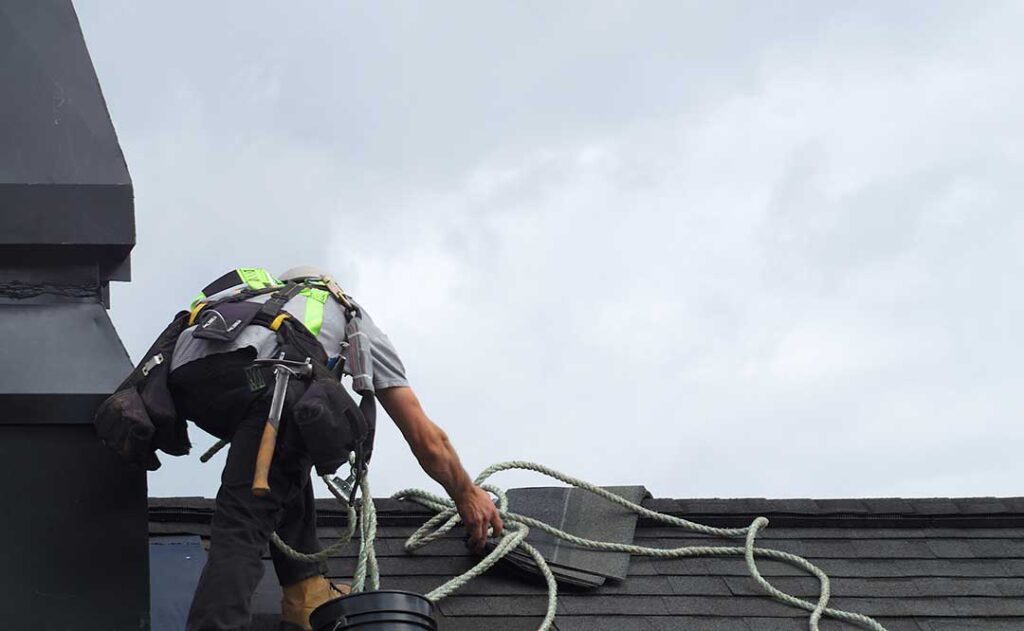
Why should Ithaca, NY homeowners prepare the roof before vacation?
A roof can develop problems while a home is empty, especially during summer storms, heavy rain, wind, or sudden temperature changes. A short inspection before departure can help identify conditions that may lead to leaks, interior damage, or blocked drainage while no one is present to respond.
Vacation preparation is not about making the roof perfect before every trip. It is about checking the areas most likely to create trouble and making sure the home can handle ordinary weather while it is unoccupied.
What should be inspected before leaving?
Begin with a ground-level inspection. Walk around the house and look for visible changes since the last inspection.
Check for:
- Missing, lifted, cracked, or visibly damaged shingles
- Shingle pieces or roofing material on the ground
- Sagging areas along the roofline
- Loose or damaged flashing around chimneys, skylights, vents, and wall intersections
- Dark stains or peeling paint beneath roof edges
- Gutters that are pulling away from the fascia
- Downspouts that discharge water against the foundation
- Tree limbs resting on or hanging directly above the roof
Do not climb onto a roof that is wet, steep, moss-covered, or difficult to access safely. A ground-level view, binoculars, or photographs taken from a safe location can reveal many problems without creating a fall risk.
A roof does not need to show an obvious hole to have a developing leak. Lifted shingles, damaged flashing, and blocked drainage can allow water to enter during the next storm.
Why do gutters and downspouts matter during vacation?
Gutters and downspouts control where roof runoff goes. If they are clogged or disconnected, water may spill over the roof edge, collect near siding, or flow toward the foundation.
This is particularly useful to check before a longer trip because leaves, twigs, and summer debris can restrict drainage even when the roof itself appears sound. Clear visible debris from gutters only if the work can be done safely from stable ground or a properly positioned ladder. Never lean beyond the ladder’s safe reach.
Confirm that:
- Gutters are free of heavy buildup
- Downspouts are connected
- Water exits far enough from the foundation
- Extensions have not shifted or become buried
- No gutter section is visibly sagging or holding standing water
If the roof has internal drainage, low-slope sections, or areas that regularly collect water, those conditions deserve additional attention before the home is left unattended.
How can residents check for hidden roof leaks?
Look inside the attic or uppermost part of the home before leaving. A small leak may be easier to identify there than in a finished room.
Look for:
- Damp insulation
- Water stains on roof sheathing
- Darkened wood
- Musty odors
- Daylight visible through the roof surface
- Rust around fasteners or metal components
- Mold-like spotting near areas where moisture collects
A dry stain does not necessarily mean the problem is inactive. It may indicate that water entered during an earlier storm and that the source has not been corrected.
Also inspect ceilings and upper walls for discoloration, bubbling paint, sagging drywall, or peeling surfaces. These signs can result from plumbing or ventilation issues, but roof drainage and flashing should remain part of the investigation.
Should roof vents and attic ventilation be checked before vacation?
Yes. Roof vents and attic ventilation help control heat and moisture, but they should not be altered casually before a trip.
Check from the ground that vents are not visibly damaged, blocked, or covered by debris. Inside the attic, avoid placing insulation over ventilation openings at the eaves. Blocked airflow can contribute to moisture buildup, condensation, and deterioration of roofing materials.
During warm weather, a poorly ventilated attic can become extremely hot. That heat may increase stress on roofing materials and raise indoor temperatures. During cooler or wetter periods, inadequate airflow can allow moisture to remain trapped.
Do not cover vents to keep out insects or animals unless the covering is designed for ventilation and installed securely. Improvised materials can restrict airflow or come loose during wind.
What should be done about trees near the roof?
Branches that touch or overhang a roof can scrape shingles, drop debris into gutters, and provide a path for animals. Before vacation, check whether recent growth has brought limbs closer to the roof surface.
Do not attempt to cut large, elevated, or tensioned branches from a ladder. Branches near utility lines present an additional hazard and should not be handled casually.
Small, reachable debris can be removed from the roof edge if it is safe to do so. Larger tree work may require qualified assistance because falling limbs can damage roofing, siding, vehicles, and people.
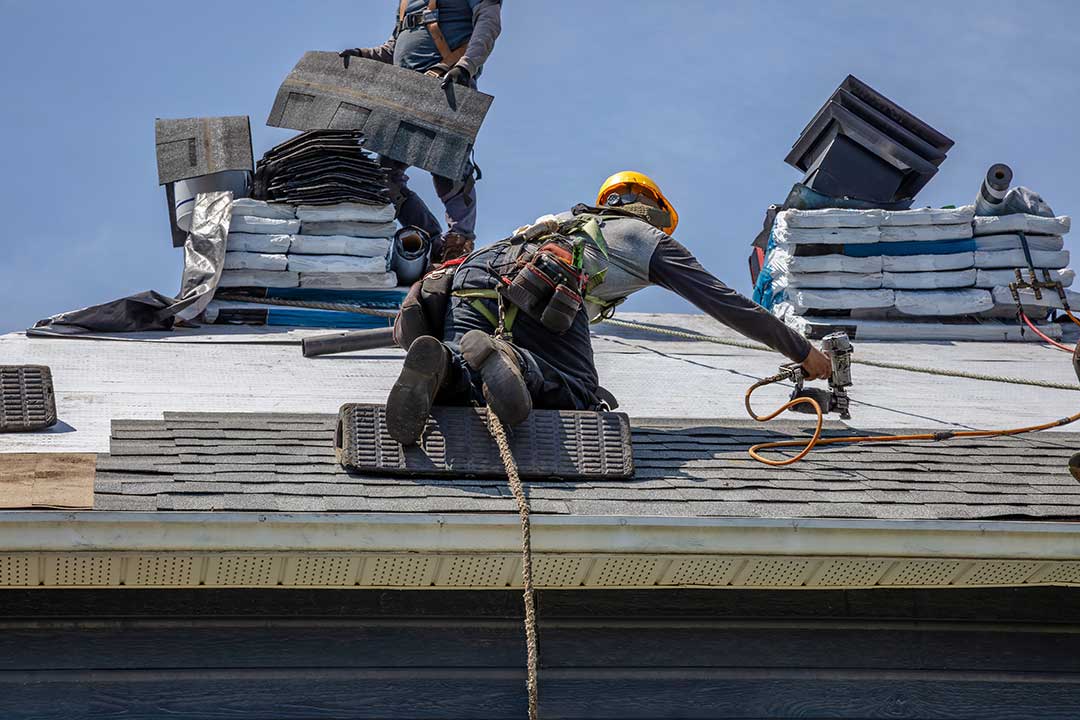
How should the house be prepared for storms while unoccupied?
A roof inspection is only one part of storm preparation. Before leaving, confirm that outdoor objects cannot blow against the roof or siding.
Secure or store:
- Lightweight patio furniture
- Empty containers
- Loose planters
- Yard decorations
- Umbrellas
- Tarps and temporary coverings
- Ladders and tools
Make sure attic windows, skylights, and upper-level windows are closed. Check that downspout outlets have not been blocked by mulch, soil, snow guards, or landscaping material.
It can also help to leave interior doors open if appropriate for the home’s heating and cooling setup. This may improve air circulation, but humidity-control decisions should reflect the season and the property’s normal operating practices.
Should utilities be turned off before a trip?
Do not shut off utilities automatically without considering the season and the home’s systems. In colder weather, turning off heat or draining plumbing incorrectly can create frozen-pipe damage. In warmer months, stopping air circulation entirely may contribute to excessive indoor humidity in some homes.
If the home will be empty for an extended period, use the normal vacation settings for heating, cooling, water, and security systems. Know where the main water shutoff is located, and make sure a trusted person can access it if a leak occurs.
Battery-powered leak detectors, temperature monitors, or smart-home alerts may provide useful warning, but they should not be treated as a substitute for someone checking the property. Devices can lose power, disconnect from a network, or fail to detect a problem outside their sensor area.
What information should be left for the person checking the house?
A house check is more useful when the person visiting knows what to look for. Leave simple instructions covering:
- The location of the main water shutoff
- The location of the electrical panel
- Thermostat settings
- Sump pump or basement drainage concerns
- Known roof or gutter issues
- Signs of leaking to watch for
- A way to reach the homeowner or emergency contact
Ask the visitor to look at ceilings, upper walls, attic access areas, basement walls, and floors near exterior doors. A new stain, musty smell, dripping sound, or loss of power can be more significant than it first appears.
Photographs taken before departure can also provide a useful comparison if a problem is suspected after a storm.
When should a roof issue be addressed before leaving?
A roof problem deserves attention before vacation if water is actively entering, the roof is visibly sagging, shingles are missing over a broad area, flashing has separated, or a tree has damaged the roof.
Hazardous conditions should not be handled as a do-it-yourself project. Wet surfaces, steep slopes, unstable ladders, electrical lines, and storm-damaged trees can create serious risks. Temporary measures such as placing a container under an interior drip may limit household damage, but they do not correct the roof problem.
For routine preparation, the most useful approach is simple: inspect from safe locations, keep drainage paths clear, secure loose outdoor items, and arrange for a reliable property check during longer absences.
