
Roof work can sometimes be handled by a careful homeowner, but only when the task is minor, the roof is accessible, the weather is stable, and proper fall protection is in place. Many jobs that appear simple from the ground become dangerous once ladders, steep slopes, hidden structural damage, electrical equipment, or slippery surfaces are involved.
For households in Ithaca, NY, seasonal weather adds another concern. Snow, freezing temperatures, rain, wind, moss, and shaded roof sections can make an otherwise manageable repair unsafe.
Which roof tasks are usually reasonable to do yourself?
Small, low-risk maintenance tasks may be suitable for a capable homeowner who can work from the ground or from a securely positioned ladder without stepping onto the roof.
Examples include:
- Cleaning leaves and small amounts of debris from gutters while standing on stable ground
- Replacing a damaged gutter screen or downspout attachment
- Inspecting attic areas for dampness, staining, or daylight
- Trimming nearby branches from the ground when no power lines are involved
- Replacing a missing exterior vent cover if the work can be completed safely from a ladder
- Applying temporary protection over a small leak during an emergency, without climbing onto a wet or icy roof
A few loose shingles on a low-slope roof may appear to be a simple repair, but the repair itself is only part of the risk. Reaching the area, carrying materials, maintaining balance, and avoiding damage to surrounding shingles can make the job much more difficult than expected.
A useful rule is that roof work becomes less suitable for DIY once it requires walking across the roof surface, removing multiple layers, cutting sheathing, repairing flashing around a chimney, or working near electrical lines.
What conditions make roof work unsafe?
Do not climb onto a roof that is wet, icy, snow-covered, frosted, or visibly slick. Even light moisture can reduce traction on asphalt shingles, metal roofing, painted surfaces, and roof edges.
Wind is another major hazard. Gusts can affect balance, move ladders, lift underlayment, and turn sheet materials into large, uncontrolled surfaces. Work should be postponed when wind makes it difficult to handle materials safely.
In this region, roof conditions can change quickly during spring and fall. A roof may look dry on the sunny side while remaining damp in shaded areas. Morning frost, overnight freezing, and melting snow near eaves can create especially slippery surfaces.
Also avoid roof work during:
- Thunderstorms or lightning
- Heavy rain or falling snow
- Strong or shifting winds
- Extreme heat, when shingles become soft and surfaces become tiring to walk on
- Periods when snow or ice is sliding from upper roof sections
- Poor visibility near dusk or after dark
The safest timing is generally a dry, calm period with good daylight and moderate temperatures.
How can a homeowner decide whether a roof is safe to walk on?
The roof’s pitch, height, material, and condition all matter. A low-slope roof over a one-story area is not automatically safe, but it presents fewer fall hazards than a steep roof over a two-story wall.
Do not walk on a roof if it has:
- A steep or irregular slope
- Loose, curling, brittle, or missing shingles
- Soft spots or visible sagging
- Moss, algae, frost, or wet leaves
- Fragile slate, clay tile, aging wood shingles, or deteriorated roofing
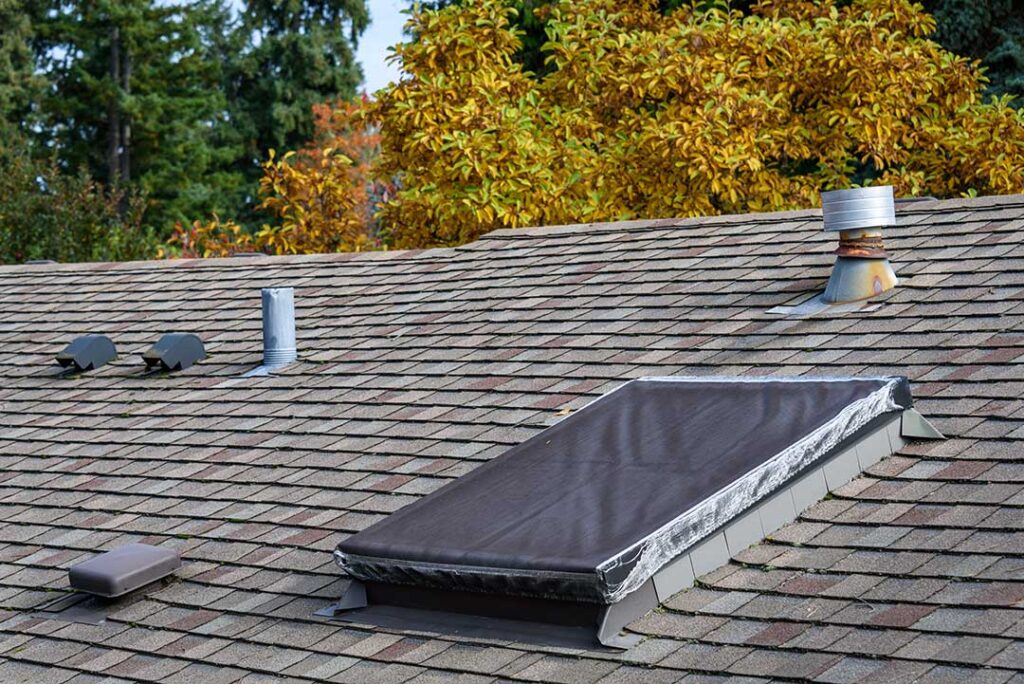
- Unprotected skylights or roof openings
- Limited space near the edge
- A complicated layout with valleys, dormers, multiple levels, or narrow sections
Never assume that a roof is structurally sound because it does not visibly sag. Water damage may weaken the roof deck below the shingles. A soft feeling underfoot, a springy area, or a depression is a reason to stop immediately.
What ladder and fall-protection precautions are necessary?
A ladder should stand on firm, level ground and extend above the roof edge enough to provide a stable handhold when stepping onto or off the roof. It should be secured against slipping, and the area below should remain clear of people, pets, vehicles, and loose materials.
A second person should stabilize the ladder and remain nearby, but another person at the bottom does not replace a fall-protection system. A fall from even a one-story roof can cause serious injury.
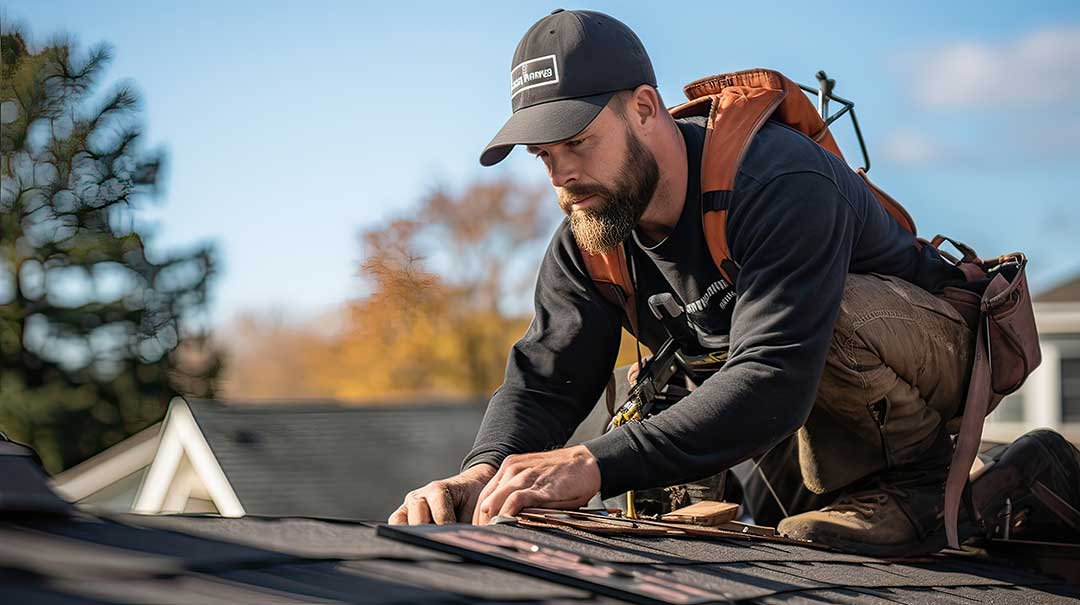
For work at significant height, conventional fall protection may include properly installed guardrails, safety nets, or a personal fall-arrest system used with suitable training and an appropriate anchor. A harness alone is not fall protection. An incorrectly placed anchor, loose rope, or improvised attachment can create additional danger.
Do not carry shingles, tools, or long boards while climbing. Use a tool belt, hoist materials safely, and keep both hands available when moving on a ladder.
Which roof repairs should not be DIY projects?
Some work should generally be left to people with specialized training and equipment because the consequences of a mistake can include structural damage, fire, water intrusion, or severe injury.
Examples include:
- Replacing large areas of roofing
- Repairing or replacing roof sheathing, rafters, or trusses
- Working on steep roofs or roofs more than one story above ground
- Repairing chimney flashing or masonry where falls are possible
- Working around skylights, solar equipment, or overhead electrical lines
- Removing old roofing that may contain hazardous materials
- Repairing roofs after fire, major storm damage, or tree impact
- Correcting widespread leaks or interior ceiling damage
- Working on slate, tile, metal, or other specialty roofing systems without experience
- Installing roof-mounted equipment or making structural changes
A roof leak can travel along rafters and appear far from the actual entry point. Replacing a visible shingle without locating the true source may delay necessary repairs and allow insulation, framing, or interior finishes to deteriorate.
Does roof work require a permit in Ithaca?
The City of Ithaca identifies roofing among the types of work that may require a building permit. However, local permit rules can distinguish between a larger alteration and a limited repair using like materials. The answer may depend on the extent of the work, whether structural components are affected, the property’s location, and whether the building is in a historic district or another regulated area.
Before beginning substantial roof work, check the current requirements with the applicable building department. Do not assume that a project is permit-free simply because it is being performed by the homeowner. A permit may also involve inspections, plans, code requirements, or restrictions on covering existing roofing layers.
New York’s residential code places limits on roof recovering, including situations involving deteriorated sheathing, certain roof materials, or multiple existing layers. Covering a problem rather than correcting it can create both performance and compliance issues.
What should happen if a roof problem is discovered during DIY work?
Stop work if the roof deck feels soft, the framing appears damaged, the leak is larger than expected, or the weather changes. Do not continue simply because the roof has already been opened.
For a temporary emergency measure, place a properly secured tarp over the affected area only if it can be done from a safe location without climbing onto dangerous surfaces. Buckets and towels may limit interior damage, but they do not correct the roof problem.
Any roof work involving serious fall exposure, structural damage, electrical hazards, hazardous materials, or unstable conditions requires qualified assistance rather than improvised repairs. The safest DIY decision is often knowing when the task has moved beyond routine maintenance.
A simple decision test before climbing
Ask these questions first:
- Can the task be completed safely from the ground or a stable ladder?
- Is the roof completely dry, clear, and free of ice, snow, and debris?
- Is the slope low enough to maintain secure footing?
- Is the ladder secured and is fall protection appropriate?
- Can materials and tools be moved without losing balance?
- Is the roof structure known to be sound?
- Have local permit requirements been checked?
- Is there a safe way to stop and leave if conditions change?
If any answer is uncertain, postponing the work is safer than treating uncertainty as permission to proceed.
