
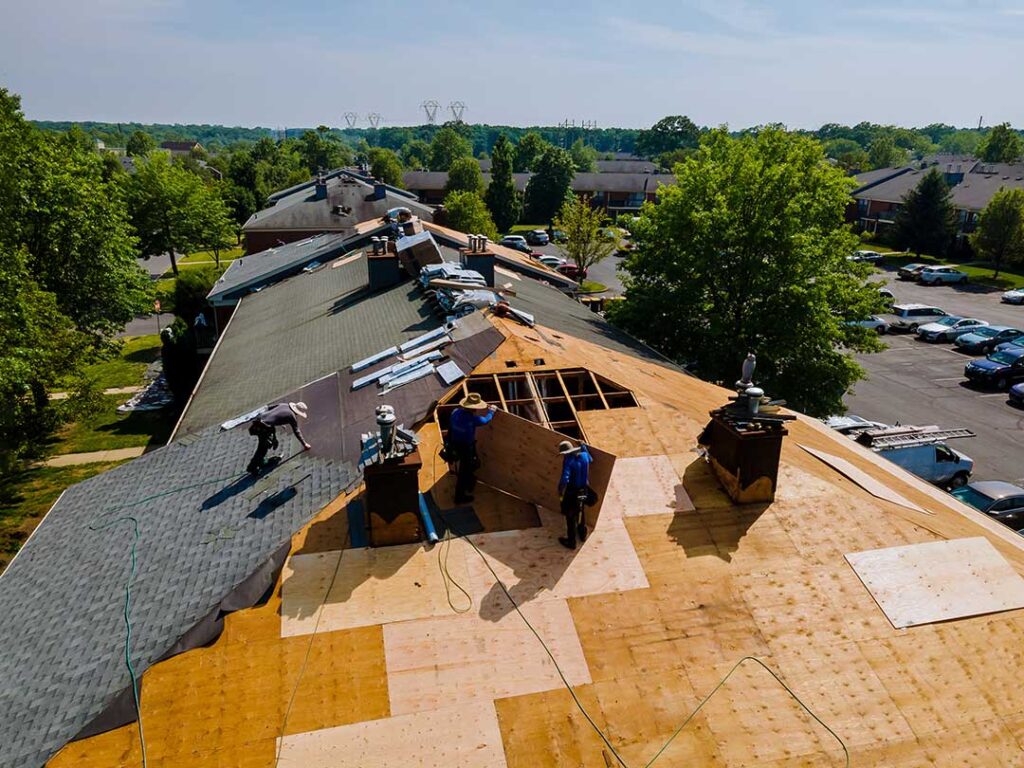
Regular roof maintenance helps prevent small defects from becoming interior leaks, structural damage, or premature roof replacement. For households in Ithaca, NY, routine attention is especially useful because roofs must withstand snow, ice, freeze-thaw cycles, strong seasonal winds, falling branches, and heavy rain.
A roof does more than keep water out. It protects insulation, attic framing, ceilings, walls, electrical systems, and personal belongings. Maintenance provides an opportunity to identify developing problems while they are still limited and easier to address.
What does regular roof maintenance include?
Regular maintenance is a combination of visual checks, debris removal, drainage care, and timely repairs. It does not mean climbing onto the roof frequently or attempting hazardous work without the right equipment.
A practical maintenance routine may include:
- Looking for missing, cracked, curled, or loose shingles
- Checking metal flashing around chimneys, vents, skylights, and roof edges
- Clearing leaves, twigs, and other debris from valleys and low-slope areas
- Inspecting gutters and downspouts for blockages or separation
- Checking the attic for damp insulation, water stains, mold-like growth, or daylight
- Trimming branches that touch or overhang the roof
- Looking for granules collecting in gutters or near downspout outlets
- Reviewing the roof after severe wind, heavy snow, or fallen branches
Some inspections can be completed from the ground with binoculars. Roof surfaces become slippery from frost, rain, moss, and wet leaves, so walking on them can create a fall hazard and may also damage roofing materials.
How does maintenance prevent expensive damage?
Most roof problems begin as small failures in materials or drainage. A minor opening around flashing may allow water to reach the roof deck. Repeated moisture can then damage sheathing, insulation, rafters, drywall, and paint.
Finding the issue early can limit the affected area. Delayed repairs may involve several layers of the home rather than only the original roof component.
Common examples include:
- A loose shingle allowing wind-driven rain beneath the roof covering
- A blocked gutter directing water behind the fascia or onto exterior walls
- Damaged flashing allowing water around a chimney or plumbing vent
- An unsealed roof penetration creating a ceiling stain during heavy rain
- Persistent attic moisture contributing to wood deterioration or mold growth
A ceiling stain is not always directly below the entry point. Water can travel along rafters, roof decking, insulation, or framing before appearing indoors. That is why covering an interior stain without finding the source may not solve the problem.
Why are gutters and drainage part of roof maintenance?
A roof can remain in reasonably good condition while poor drainage causes water damage around the rest of the house. Gutters collect runoff and direct it away from roof edges, siding, foundations, walkways, and entrances.
In this area, autumn leaves and small branches can collect quickly, particularly beneath mature trees. Snow and ice may then cover drainage components, making it difficult to notice a blockage until melting begins.
Good drainage maintenance includes checking that:
- Gutters are securely attached and do not sag
- Downspouts are open and connected
- Water is directed away from the foundation
- Roof valleys are free of accumulated debris
- Splashing or overflow is not staining siding or eroding soil
- Ice is not forcing gutters away from the roof edge
Gutter guards may reduce debris accumulation, but they do not eliminate the need for inspection. Small particles, pine needles, and ice can still interfere with water flow.
Can maintenance help with ice dams?
Routine maintenance can reduce conditions that contribute to ice dams, although it cannot guarantee that they will never form. Ice dams develop when heat escaping through the upper part of a home melts snow on the roof, while colder eaves allow water to refreeze.
Roof ventilation, attic insulation, air sealing, and unobstructed drainage all affect this process. Maintenance can reveal warning signs such as:
- Thick ridges of ice along the eaves
- Water stains near exterior walls or upper-floor ceilings
- Frost or excessive moisture in the attic
- Wet insulation
- Gutters pulling away from the roof edge
- Repeated leaks during snowmelt
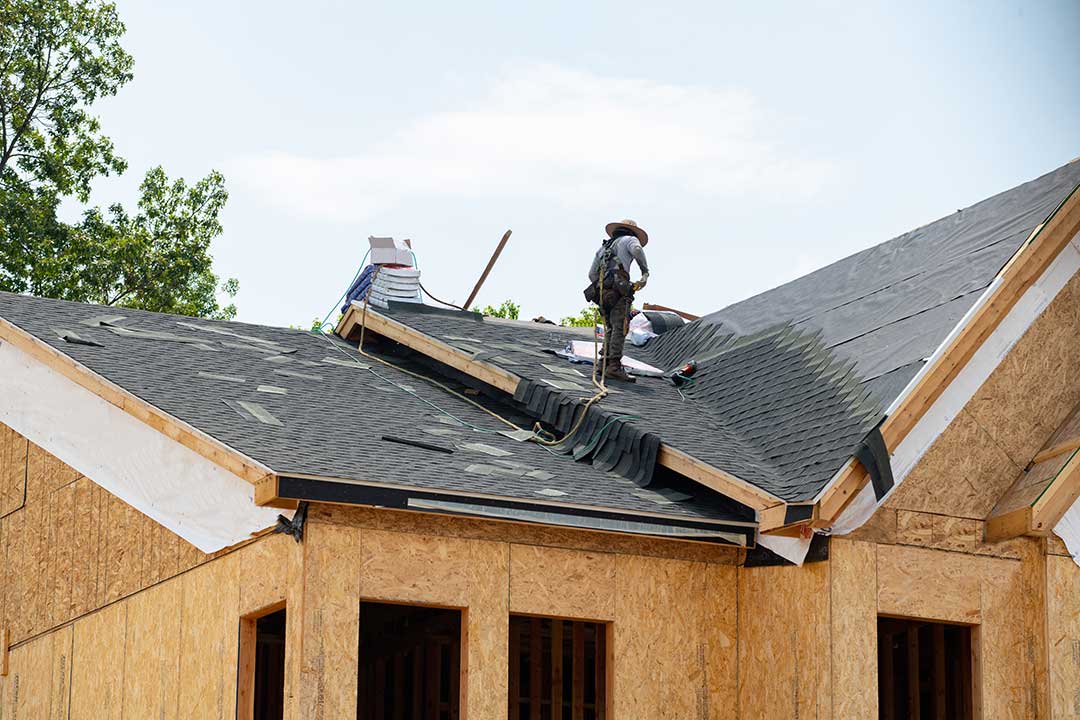
Removing ice with tools, salt, or improvised methods can damage shingles and create safety risks. Heavy snow or ice that appears to threaten the roof structure should be evaluated cautiously, especially on older homes, additions, porches, and areas where snow drifts accumulate.
How does maintenance extend roof service life?
Routine care does not make roofing materials last indefinitely, but it can help them perform closer to their expected service life. Shingles deteriorate faster when they remain wet, are exposed to constant debris, or lose protective granules.
Preventive care also reduces repeated stress on vulnerable areas. Keeping branches away from the roof limits scraping and impact damage. Maintaining flashing helps prevent moisture from entering around penetrations. Keeping gutters clear reduces prolonged wetting at roof edges.
Roof age still matters. Maintenance cannot correct widespread blistering, advanced material loss, structural sagging, or a roof covering that has reached the end of its useful life. Its value is greatest when it is paired with realistic attention to the condition and age of the entire roof system.
What should Ithaca homeowners check after a storm?
After a severe storm, inspect the property from the ground before considering any closer examination. Look for changes that were not present before the weather event.
Useful warning signs include:
- Shingles or metal panels in the yard
- Exposed underlayment or roof decking
- Bent or detached flashing
- New leaks or ceiling discoloration
- Damaged vents, skylights, or chimney caps
- Branches resting on the roof
- Sagging roof lines or unusual depressions
- Gutters that have separated from the fascia
A roof with visible sagging, major structural damage, exposed electrical components, or extensive water entry should be treated as a safety concern. Keep people away from affected areas and avoid entering spaces where ceilings are bulging or framing appears unstable.
How often should a roof be inspected?
A basic visual review is useful in spring and fall, with additional checks after unusually heavy snow, strong winds, hail, or falling branches. The exact schedule depends on roof age, material, slope, surrounding trees, attic ventilation, and the history of leaks.
Older homes and buildings with complex rooflines often benefit from closer observation because they may have multiple additions, valleys, chimneys, or transitions where water can collect. Low-slope sections also require careful drainage review because they may dry more slowly than steeply pitched surfaces.
Maintenance records can be helpful. Note the date of inspections, visible changes, repairs, leaks, gutter issues, and storm damage. A simple record makes it easier to identify recurring problems and distinguish ordinary weathering from a new defect.
What are common roof maintenance misconceptions?
One misconception is that a roof needs attention only after a leak appears. By that point, water may already have affected insulation, wood, paint, or finished surfaces.
Another is that a new roof requires no maintenance. New materials still depend on proper drainage, intact flashing, adequate ventilation, and protection from branches and debris.
It is also easy to assume that attic moisture always means the roof is leaking. Condensation from warm indoor air can create similar stains or dampness, especially when ventilation or insulation is inadequate. Determining the cause matters because replacing shingles will not correct a ventilation or air-sealing problem.
Regular maintenance is therefore less about cosmetic upkeep and more about observing how the roof, attic, gutters, and exterior walls handle water and seasonal weather. In a climate with snow, ice, rain, and repeated temperature changes, that observation can help protect the whole house.
