
What Risks Does Hurricane Season Bring to Roofs in Ithaca, NY?
Although the city is inland and not directly exposed to the brunt of Atlantic hurricanes, Ithaca, NY can still experience severe weather effects from tropical storms and post-tropical systems. Heavy rains, strong winds, and falling branches can all put a local roof to the test. Homeowners here often deal with older housing stock and thick tree cover, making thorough preparation essential each summer and fall.
How Can Residents Inspect Their Roofs for Vulnerabilities?
A careful visual inspection, conducted from the ground whenever possible, helps identify issues before hurricane season. Look for:
- Missing, cracked, curling, or loose shingles
- Exposed or corroded nails and flashing
- Moss, lichen, or signs of rot, especially along eaves
- Sagging areas or uneven rooflines
- Blocked gutters and downspouts
Binoculars can provide a closer look without climbing a ladder. Interior signs, such as stains on ceilings or walls, may indicate hidden leaks to address immediately.
Why Is Clearing Gutters and Downspouts So Crucial?
Unclogged gutters reduce the risk of water backing up under the shingles during heavy downpours. In Ithaca, fallen leaves, pine needles, and debris frequently accumulate, especially in heavily wooded neighborhoods. Before hurricane season intensifies, clear out all gutters and ensure downspouts direct water well away from the foundation. Extend downspouts if necessary so water doesn’t pool near the house, particularly important in sloped or basement-prone properties.
What Steps Help Secure Loose Items and Tree Limbs?
High winds can turn ordinary yard items or tree branches into airborne hazards. Local residents should:
- Trim branches that overhang or touch the roof. Storm-stressed limbs can snap, causing shingles or even roof decking to be punctured.
- Remove deadwood or precarious branches from trees near the home.
- Store lightweight outdoor furniture, grills, and potted plants indoors or anchor them securely before storms.
Neglecting these steps is a common oversight that can lead to roof damage from windblown debris or falling limbs.
How Should Small Repairs or Maintenance Be Handled?
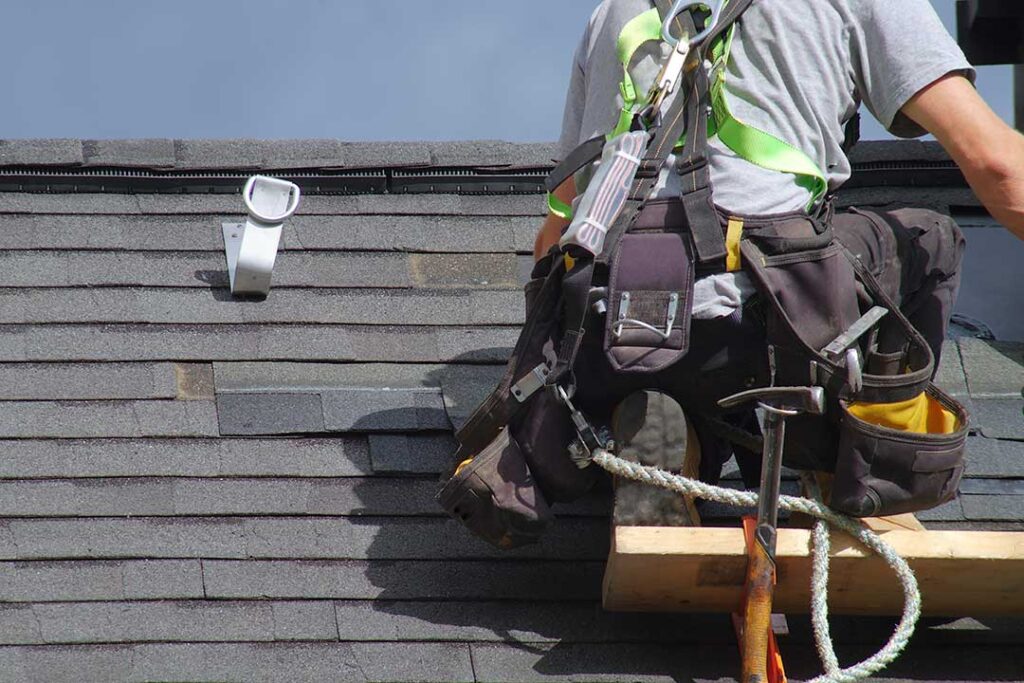
For healthy, weather-tight roofs, prompt repair of minor issues is key. Small areas of missing shingles or exposed nail heads can be addressed with roofing cement or replacement shingles. Clearing moss or debris buildup prevents premature deterioration. When repairs require climbing, use caution and consider safety or enlist help. If the roof is steep, slippery, or damaged, personal safety must take priority.
Are There Roofing Features That Can Reduce Hurricane Risk?
Certain features and retrofits, even when not mandated locally, make area homes more resilient:
- Hurricane clips or straps can reinforce how the roof system attaches to the underlying structure, especially in older buildings.
- Modern ridge vents, securely fastened, minimize wind uplift risk.
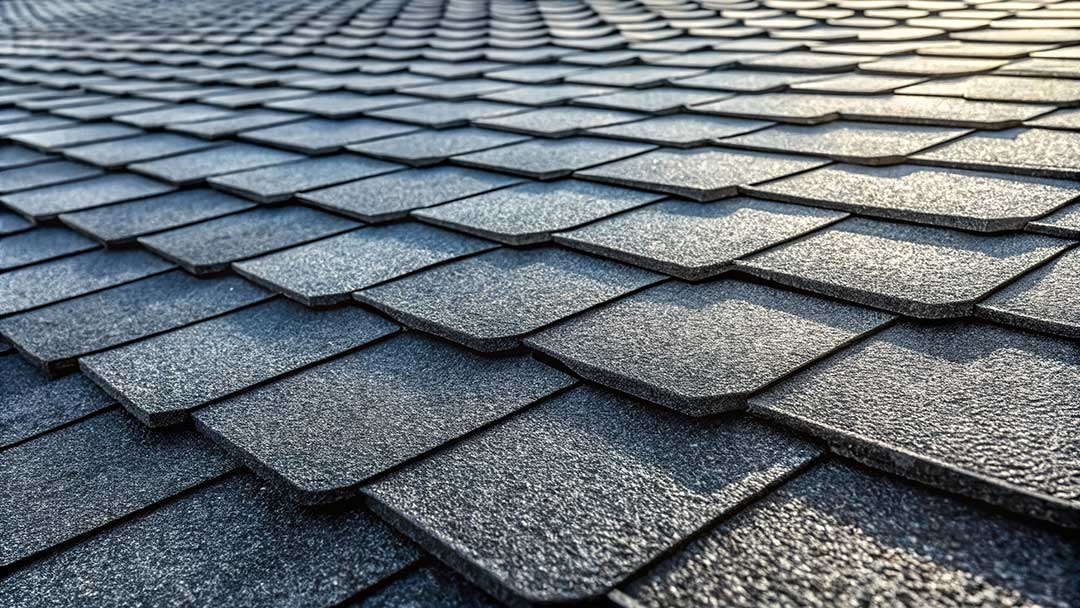
- Impact-resistant shingles may provide added durability for future re-roofing projects.
Making these changes often results in greater long-term protection, though many Ithaca homes have legacy roofs where maintenance is the best approach in the short term.
What Should Homeowners Know About Insurance and Documentation?
Comprehensive photos of the roof (from multiple angles), plus a list of any recent repairs or upgrades, create a valuable record when dealing with insurance claims after a severe weather event. Residents should review their policy for hurricane, windstorm, and water damage coverage specifics. Some policies in the area may have exclusions or higher deductibles for storm-related roof claims.
What Are Common Misconceptions and Overlooked Precautions?
Some believe only coastal areas need worry about hurricane readiness, but major remnants of tropical systems do reach central New York. Others assume newer roofs are immune to damage—however, improper installation or minor pre-existing issues can still lead to leaks.
Another overlooked aspect is attic ventilation. Adequate ventilation helps prevent moisture buildup and reduces the risk of structural damage if water does enter the roofing system. Check attic vents and remove obstructions before hurricane season ramps up.
How Can Ongoing Maintenance Make a Difference?
Routine upkeep is the best way to safeguard a roof and extend its lifespan through repeated storm seasons. Residents benefit from:
- Cleaning gutters twice yearly (late spring and after autumn leaf fall)
- Trimming vegetation annually
- Checking attic spaces for signs of leaks or rot
Staying attentive to small issues and addressing them before storm season can help area households avoid major repairs, water intrusion, and stress during severe weather events.
