
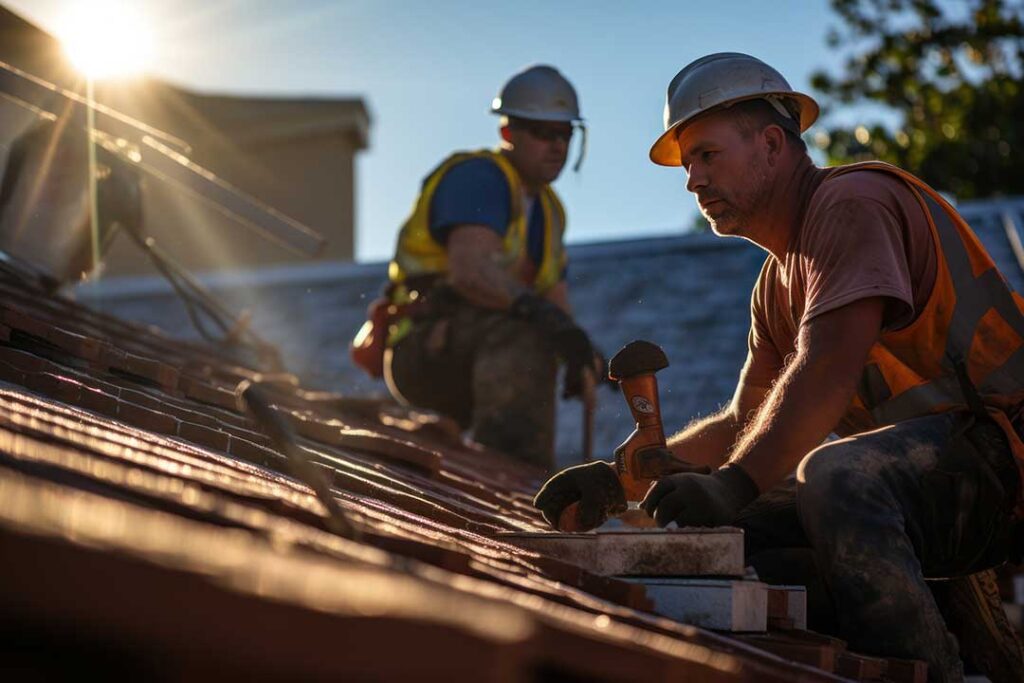
Walking on a roof can cause serious injury and can damage shingles, flashing, gutters, or hidden structural components. For most residents, the safest choice is to remain on the ground and use a ladder only for tasks that can be completed without stepping onto the roof.
If roof access is unavoidable, conditions, roof design, footwear, and fall protection all matter. A dry, low-slope roof with sound materials presents different risks from a steep, aging roof covered with moss or damp leaves.
Is it safe to walk on a roof?
Roof walking is never completely risk-free. Even a roof that looks flat and sturdy may have weak areas, slippery surfaces, brittle shingles, or concealed damage.
A person should not walk on a roof when:
- The surface is wet, icy, snowy, frosted, or covered with loose debris.
- Wind makes balance difficult.
- The roof is steep, unusually high, or difficult to access.
- Shingles are loose, cracked, curled, or covered with moss.
- There are skylights, solar equipment, exposed electrical components, or fragile roofing materials.
- The roof edge, decking, gutters, or fascia appears damaged.
- The person lacks appropriate fall-protection equipment and training.
In Ithaca, changing weather can make roof conditions unpredictable. Morning frost, shaded dampness, spring rain, falling leaves, and freeze-thaw cycles can create slippery surfaces even when the surrounding ground appears dry.
What type of roof is safest to walk on?
Low-slope roofs with a firm walking surface are generally easier to navigate than steep roofs, but “flat” does not mean risk-free. Many low-slope roofs contain membrane materials, seams, drains, and areas that can be damaged by concentrated foot traffic.
Asphalt-shingle roofs should be treated carefully. Walking directly on shingles can loosen granules, break the seal between tabs, bend edges, or shorten the roof’s service life. Older shingles become more brittle with age and may crack under pressure.
Wood shakes, slate, clay tiles, and metal roofing require additional caution. Slate and tile can break under body weight, while metal can be extremely slippery and may flex unexpectedly. Some roofing systems are not intended for casual foot traffic at all.
How should someone prepare before stepping onto a roof?
Preparation should begin before climbing the ladder. Inspect the area from the ground and postpone the task if any condition looks uncertain.
Check for:
- A stable, level place to set the ladder.
- Overhead branches, wires, and other obstructions.
- Wet leaves, ice, snow, or moss.
- Loose gutters, damaged trim, or sagging roof edges.
- Skylights or translucent panels that may not support weight.
- A safe route to and from the roof.
- Adequate daylight and weather conditions that are expected to remain stable.
Wear slip-resistant footwear with clean, soft soles. Shoes should be secure and comfortable, without loose laces or deep mud that could reduce traction. Avoid carrying tools in your hands while climbing. Use a tool belt, hoist line, or another method that keeps both hands available.
A second adult should know that roof work is taking place and should be able to summon help if an accident occurs. A phone should remain accessible, but it should not distract from footing and surroundings.
What is the safest way to climb onto a roof?
Use a properly sized ladder placed on firm, level ground. The ladder should extend above the roof edge far enough to provide a secure handhold when stepping onto or off the roof.
Keep three points of contact while climbing: two hands and one foot, or two feet and one hand. Face the ladder, climb slowly, and avoid reaching sideways. Move the ladder instead of leaning beyond its safe working position.
Do not climb onto a roof from a stack of materials, a bucket, a deck railing, or an unsecured extension ladder. Never step from a ladder onto a roof edge that is visibly damaged or unstable.
The transition from ladder to roof is one of the most dangerous moments because balance can shift suddenly. Keep your body centered, confirm that the landing area is clear, and avoid carrying items during the transition.
How do you walk on asphalt shingles without causing damage?
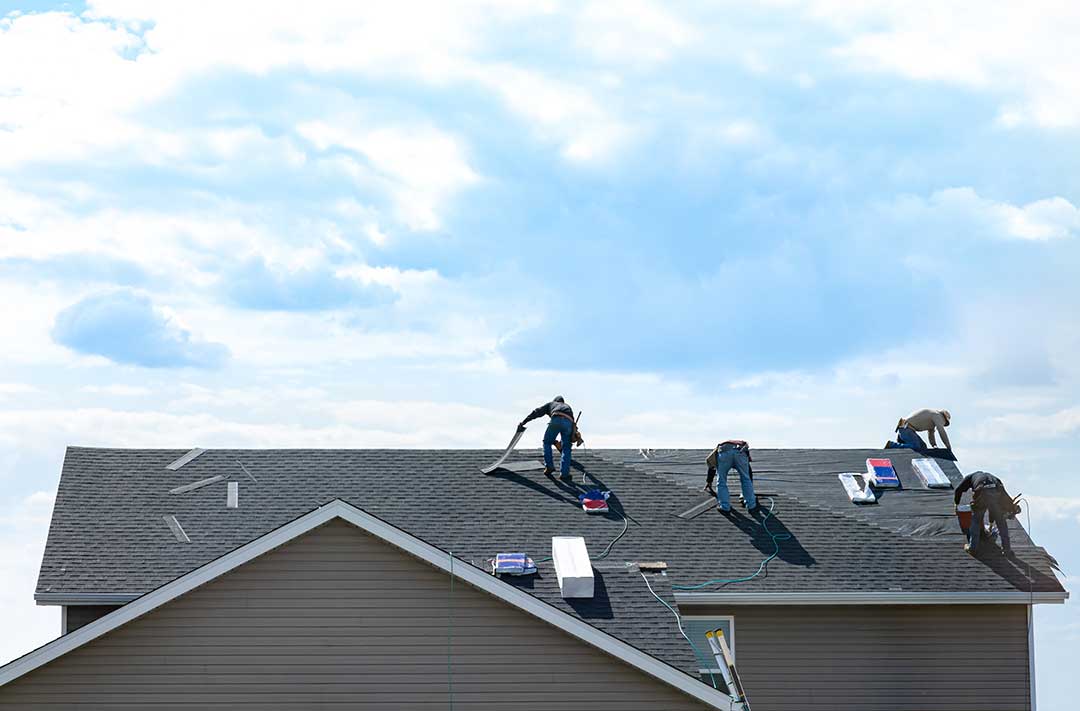
If roof access cannot be avoided, walk slowly and place each foot carefully. On asphalt shingles, the lower portions of shingles are often more supportive than the raised edges, but every roof is different.
Avoid:
- Stepping on exposed fasteners, ridge caps, flashing, or sealant.
- Walking across loose, curled, cracked, or missing shingles.
- Sliding your feet across the surface.
- Dragging ladders, hoses, tools, or equipment.
- Concentrating weight in one small area.
- Walking near the roof edge or over unsupported overhangs.
Never assume a roof can support weight simply because it supports snow. Snow distributes weight across a broad area, while a person places concentrated pressure in a small footprint. Hidden rot or deteriorated decking may also fail without much warning.
How can someone reduce the risk of falling?
Fall protection is the most significant safety issue. On roofs with meaningful fall exposure, a properly designed personal fall-arrest system may be necessary. Such systems typically involve an approved anchor, compatible harness, connecting device, and a plan for preventing a dangerous swing or delayed rescue.
A rope tied to a chimney, vent, tree, ladder, or plumbing pipe is not a reliable substitute for a properly designed system. Improvised anchors can pull loose or fail under load.
Do not rely on gutters, ridge vents, dormers, or chimney caps for support. They may appear sturdy but are not necessarily designed to hold a person’s weight.
Roof work near electrical lines requires extra caution. A ladder, body, tool, or piece of roofing material can contact or come dangerously close to overhead wires. Keep clear distances and avoid moving long objects near them.
Can a homeowner walk on a roof to inspect damage?
A ground-level inspection is usually safer and often provides enough information to decide whether further action is needed. Binoculars or photographs taken from a safe location can help identify missing shingles, visible holes, sagging areas, or blocked gutters.
A person may be tempted to step onto the roof after a storm, but storm debris can conceal holes, broken materials, and weakened decking. Ice, wind, and water may also have changed the roof’s condition since the last inspection.
Do not enter a roof area that is sagging, leaking heavily, visibly separated from the structure, or damaged by a fallen branch. If a roof-related hazard threatens occupants or nearby property, leaving the area and obtaining qualified assistance is safer than investigating from above.
What should someone do after falling through or slipping on a roof?
After a fall, avoid standing quickly, especially if there is pain in the head, neck, back, hips, or limbs. Call emergency services for severe pain, bleeding, difficulty breathing, loss of consciousness, confusion, suspected fractures, or an inability to move normally.
Even when injuries seem minor, a fall from roof height can cause internal injuries or delayed symptoms. Someone who strikes the head, experiences dizziness, or has worsening pain should receive prompt medical evaluation.
If a person becomes suspended in fall-arrest equipment, rescue must be addressed quickly because remaining suspended can create additional medical danger. Do not attempt a risky rescue that could injure another person.
The safest roof is one approached cautiously, inspected from the ground first, and entered only when the surface, access route, weather, and fall protection are suitable. For many routine tasks, avoiding the roof entirely is the most effective safety measure.
