
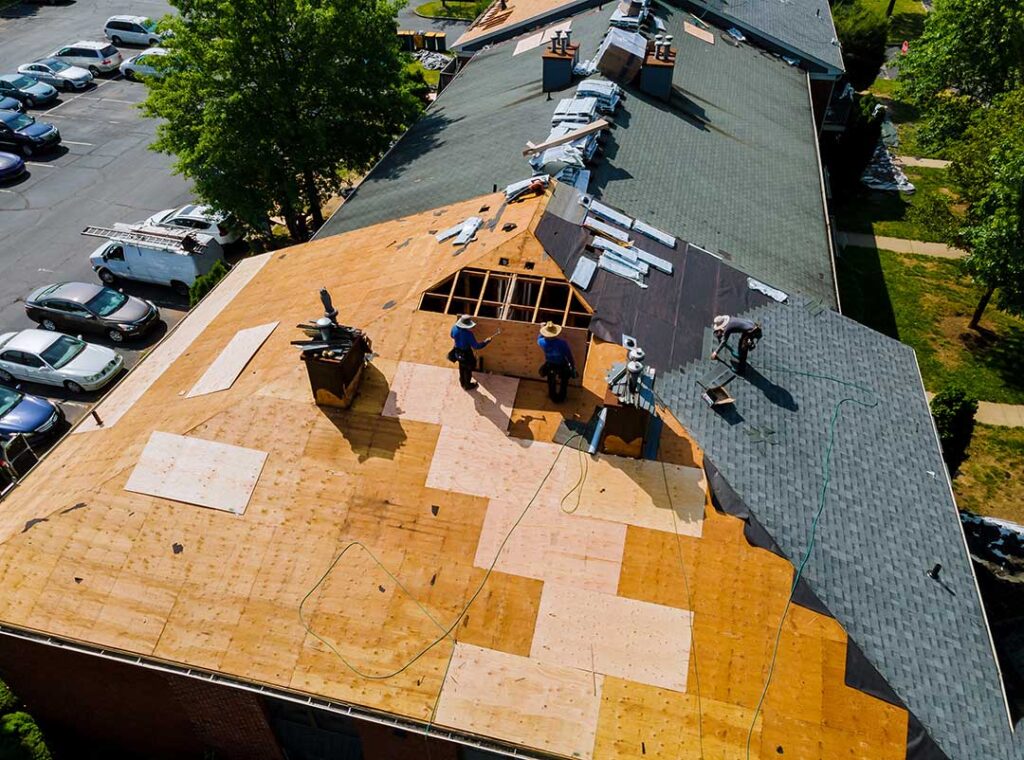
Roofing scams often appear after a storm, during seasonal repair work, or when a homeowner notices a small leak and feels pressured to act quickly. In Ithaca, NY, changing weather, winter damage, and older housing stock can create legitimate roofing concerns—but urgency should not replace careful verification.
A trustworthy roofing transaction should include clear identification, written details, reasonable payment terms, and time for the property owner to make an informed decision.
What are the most common roofing scams?
The most common scams involve unsolicited inspections, pressure to sign immediately, unusually low bids, large upfront payments, and vague contracts. Some fraudulent operators collect deposits and disappear, while others perform unnecessary work or use poor-quality materials.
Warning signs include:
- Someone appears at the door immediately after a storm and claims to have found serious damage.
- The person cannot provide a business name, physical address, insurance information, or verifiable references.
- The price changes substantially after work begins.
- The offer is available only “today.”
- The agreement is verbal or consists of a brief text message.
- Payment is requested entirely in cash or through an unusual transfer method.
- The person asks the homeowner to sign over insurance benefits or gives advice about inflating an insurance claim.
A single warning sign does not prove fraud, but several together should be treated seriously.
Why are storm-related roofing scams common?
Storm damage creates a natural sense of urgency. Wind, heavy snow, ice, and falling branches can affect roofs, gutters, flashing, and attic ventilation. After a major weather event, homeowners may receive unsolicited offers from people traveling through the area looking for quick work.
A legitimate inspection does not require an immediate commitment. A homeowner can ask for photographs, a written description of the observed damage, and time to compare the information with another inspection. Temporary measures may be appropriate if water is entering the home, but emergency protection should still be documented clearly.
Be especially cautious of anyone who claims that an entire roof must be replaced without showing specific evidence. Missing shingles, damaged flashing, exposed underlayment, water stains, and structural problems are different conditions and do not automatically require the same remedy.
How can a homeowner verify a roofing contractor?
Verification should happen before signing a contract or making a substantial payment. Ask for the company’s full legal name, mailing address, telephone number, proof of liability insurance, and workers’ compensation coverage where applicable.
The information should be independently checked rather than accepted only from a business card or text message. A phone number that goes directly to voicemail, a newly created website, or a social media page is not enough to establish reliability.
Useful questions include:
- How long has the business operated under its current name?
- Who will actually perform the work?
- Will subcontractors be used?
- What written warranty applies to labor?
- Who is responsible for permits, cleanup, and disposal?
- Can recent customers describe how the work was handled?
- What happens if hidden damage is discovered?
References should be recent and comparable. A roof replacement completed several years ago may provide more useful information than a newly finished project because it can reveal how the roof has performed over time.
What should a written roofing contract include?
A roofing contract should explain the work in enough detail that a person who was not present for the discussion could understand what was agreed upon. Vague language creates room for disputes.
Look for these details:
- The property address and contractor’s complete business information
- The type, quantity, and expected quality of roofing materials
- Removal and disposal of existing roofing layers
- Repairs to decking, flashing, ventilation, or underlying structures
- Protection for landscaping, siding, windows, and driveways
- Start and approximate completion dates
- Total price, payment schedule, and conditions for additional charges
- Labor and manufacturer warranty information
- Cleanup standards and responsibility for damage
- Procedures for cancellation and change orders
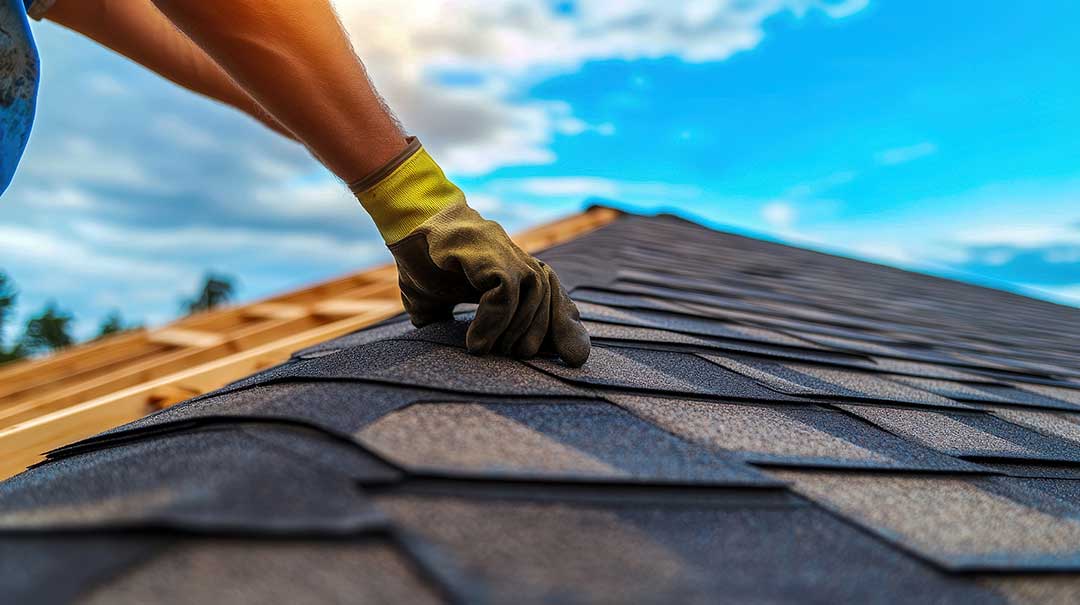
Any change to the original scope should be written down before the extra work proceeds. A homeowner should not feel obligated to approve an unexpected charge simply because materials have already been delivered.
How much money should be paid upfront?
Large deposits are a common risk. A reasonable payment schedule should connect payments to documented progress rather than requiring nearly the entire balance before work begins.
Avoid paying in full before materials are delivered and work is completed. Also be cautious if a person insists on cash only, asks for payment to an individual rather than the business named in the contract, or offers a substantial discount for immediate payment.
Keep copies of receipts, canceled checks, electronic payment confirmations, contracts, photographs, and messages. These records can help resolve misunderstandings and are useful if a dispute develops.
What insurance-related roofing tactics should raise concern?
A roofing contractor should not tell a homeowner to exaggerate damage, misrepresent the date of a loss, or submit a claim for work that is not covered. Insurance decisions belong to the policyholder and insurer, not to the person seeking the repair contract.
Be wary of statements such as:
- “The insurance company will pay for everything.”
- “You will not owe anything.”
- “Sign this form and the claim will take care of itself.”
- “The damage is much worse than it looks, so we should report all of it.”
- “The deductible can be waived.”
Coverage depends on the policy, cause of damage, exclusions, deductibles, and the insurer’s assessment. A contractor may document visible conditions, but should not promise a specific claim outcome or pressure a homeowner to make a questionable statement.
What should Ithaca homeowners check before approving roof work?
Seasonal conditions deserve special attention. Snow, ice, freeze-thaw cycles, wind, and prolonged moisture can affect roofing materials and make a small defect harder to diagnose. Older homes may also have multiple roofing layers, aging wood decking, additions with different rooflines, or ventilation systems that complicate repairs.
Before work begins, photograph existing conditions around the roof, siding, gutters, windows, landscaping, and driveway. Move valuable items away from exterior walls and attic areas if water intrusion is possible. Ask how the property will be protected during tear-off and how debris will be controlled.
A proper inspection should distinguish between active leaks, old staining, condensation, ice-related damage, and normal material aging. These problems can look similar from inside an attic or upper room but may require different solutions.
What can a homeowner do after suspecting a scam?
Stop signing new documents and avoid additional payment until the facts are clear. Save every message, invoice, photograph, recording that was lawfully made, and payment record. Write down dates, names, vehicle information, promises, and descriptions of work.
If there is immediate danger—such as exposed electrical wiring, major structural movement, or water near electrical equipment—prioritize household safety and temporary protection. For contract disputes, insurance concerns, or suspected fraud, residents may need guidance from the appropriate local or state consumer-protection, licensing, legal, or law-enforcement authority.
The strongest protection is a pause: verify the identity of the roofer, compare written scopes of work, understand the payment schedule, and refuse pressure that prevents careful review.
