
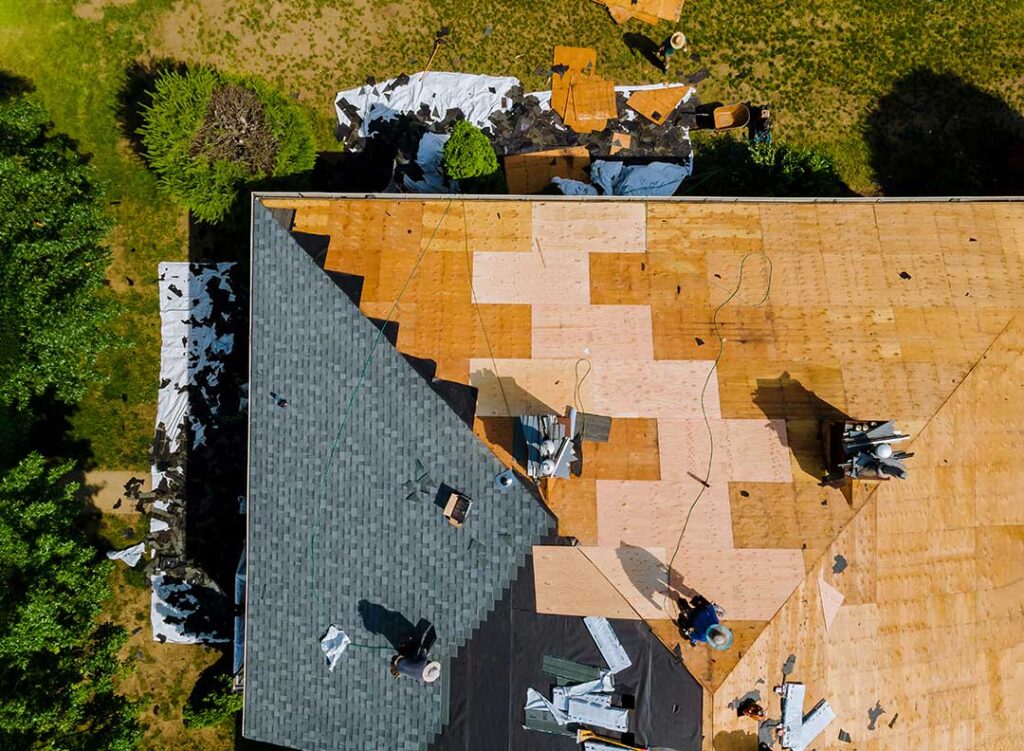
What does preventive roof maintenance actually mean?
Preventive roof maintenance is the regular inspection, cleaning, and minor repair of a roof before a small defect becomes a leak or structural problem. It is different from emergency repair because the goal is to identify vulnerable areas while they are still manageable.
A maintenance visit may include checking shingles or other roof coverings, flashing, valleys, vents, chimneys, gutters, downspouts, attic ventilation, and visible signs of moisture. It may also involve removing leaves, branches, moss, or other debris that can hold water against the roof surface.
For homes in Ithaca, roof maintenance is especially useful because roofs must handle snow, ice, rain, wind, and repeated periods of freezing and thawing. These conditions can gradually loosen materials even when the roof appears sound from the ground.
How does maintenance extend a roof’s service life?
Routine care helps preserve the parts of a roofing system that are most vulnerable to water and movement. A lifted shingle, cracked seal, loose flashing joint, or blocked gutter may not cause immediate interior damage. However, repeated exposure to moisture can enlarge the defect.
Early correction can help prevent:
- Water entering roof decking or attic insulation
- Rot around eaves, valleys, and roof penetrations
- Rust or deterioration of flashing
- Damage to ceilings, wall finishes, and insulation
- Premature replacement of otherwise serviceable roofing materials
Preventive work does not make a roof last forever, and it cannot reverse normal aging. Its value comes from reducing avoidable damage and helping the existing system perform closer to its intended lifespan.
Why are freeze-thaw cycles a concern in Ithaca?
Freeze-thaw weather can expose weaknesses that remain hidden during milder conditions. Water enters a small crack or gap, freezes, expands, and places pressure on surrounding materials. When temperatures rise, the water melts and may travel farther into the roof assembly.
Snow and ice can also increase the importance of sound flashing and drainage. A roof does not need to collapse for winter conditions to cause costly damage. Ice buildup near eaves, backed-up gutters, and melting snow around penetrations can allow water to move beneath roofing materials.
Winter inspection is not always practical or safe, so preparation before cold weather matters. After major storms, residents can look for visible warning signs from the ground, including sagging gutters, displaced materials, fallen branches, or unusual ice accumulation. Climbing onto a snowy or icy roof creates a serious fall hazard and should not be treated as a routine household task.
Which roof areas deserve the closest attention?
Some components fail more often because they collect water, experience movement, or interrupt the continuous roof surface.
Flashing around chimneys, skylights, vents, walls, and roof edges deserves careful attention. Flashing directs water away from joints, but it can loosen, corrode, or separate as materials expand and contract.
Valleys carry concentrated runoff. Leaves, branches, and sediment can slow drainage, while damaged materials in a valley may allow water beneath the roof covering.
Gutters and downspouts are part of the roof drainage system. A gutter that overflows can wet fascia boards, siding, foundation areas, and the roof edge. Downspouts should discharge water far enough away from the foundation to prevent recurring saturation.
Roof penetrations such as plumbing vents and exhaust vents are common leak locations. The surrounding seal, boot, or flashing may deteriorate before the main roof covering shows obvious age.
Attic spaces can reveal problems that are not visible outside. Damp insulation, water stains, mold-like growth, rusty fasteners, or daylight around roof penetrations may indicate leakage or ventilation concerns.
How often should a roof be inspected?
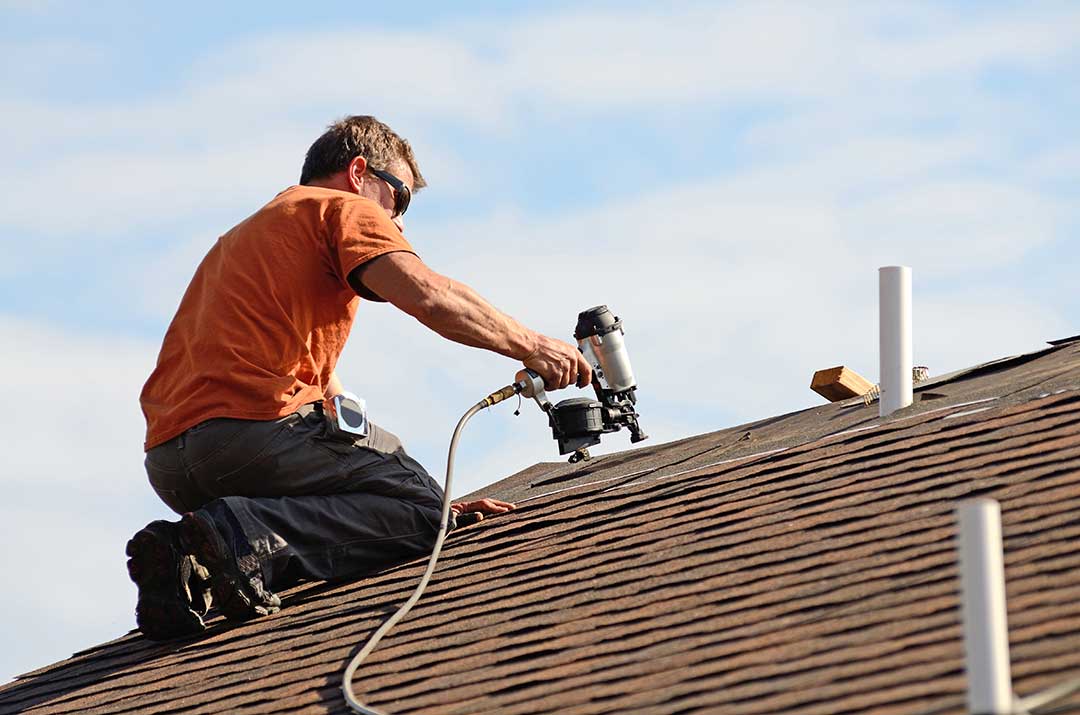
A practical schedule is to check the roof and drainage system at least twice a year: once in spring after winter weather and again in early fall before the heating season and heavier snow risk. Additional checks make sense after high winds, hail, heavy snowfall, or nearby tree damage.
The correct frequency depends on the roof’s age, slope, material, surrounding trees, and previous repair history. Older roofs and roofs beneath large trees may need closer observation. A home with recurring ice buildup or attic moisture also deserves more detailed evaluation than a roof with no known concerns.
Not every inspection requires extensive work. Often, the most useful result is a written record of current conditions, photographs of developing issues, and a clear distinction between urgent repairs and items that can be monitored.
What is the long-term financial value?
Preventive maintenance can reduce the chance that a limited repair turns into a multi-part building repair. A small flashing defect may be relatively contained. If ignored through several wet seasons, the same defect can affect roof decking, insulation, framing, interior finishes, and electrical components.
Maintenance also improves planning. Instead of facing an unexpected roof replacement during a stormy season, a property owner may learn that a roof has limited remaining service life and prepare for future costs. This is particularly useful for older homes, rental properties, and households managing several major building systems at once.
The financial value is not simply the amount saved on one repair. It also includes reduced disruption, fewer emergency decisions, better timing, and less risk of damage spreading into occupied areas.
Can homeowners handle preventive maintenance themselves?
Some basic observations are appropriate for homeowners. From the ground, residents can look for missing or curled shingles, visible debris, sagging gutters, damaged downspouts, stained soffits, and water marks in attic or upper-floor areas. Keeping gutters clear from a stable and safely positioned location may also be reasonable when conditions are dry and the work can be done without climbing onto the roof.
Roof walking, steep-slope work, ladder use near power lines, snow removal, and repairs involving damaged structural components carry greater risk. Safety, building-code requirements, and the possibility of hidden water damage are valid reasons to use qualified assistance for hazardous or uncertain work.
A useful rule is simple: observe conditions from safe locations, document changes, and avoid turning a maintenance check into an unsafe roof-access project.
What maintenance mistakes are commonly overlooked?
One overlooked problem is focusing only on shingles. A roof can have intact-looking shingles while water enters through flashing, vents, valleys, or the roof edge.
Another mistake is sealing everything with caulk. Caulk may provide a temporary barrier, but it is not a substitute for properly designed flashing or replacement of deteriorated materials.
Painting over water stains is also not a repair. The source of moisture must be identified first, because a stain may reflect an active leak, condensation, or an older event.
Finally, gutter cleaning alone does not resolve drainage problems if downspouts are blocked, disconnected, or releasing water too close to the foundation. Effective maintenance considers the full path of water from the roof surface to the ground.
A roof maintenance record with dates, photographs, observed conditions, and completed repairs can make future decisions much easier. Over time, that record helps distinguish isolated storm damage from recurring weaknesses and supports a more orderly approach to protecting the home.
