
Ice damming is a winter roof problem caused by uneven temperatures across a roof. Snow melts on warmer sections, flows toward colder eaves, and freezes into a ridge of ice that can trap water behind it. That backed-up water may seep beneath shingles, into the attic, or through ceilings and walls.
In Ithaca, NY, repeated snow, freezing temperatures, sunshine, and midwinter thaws can create the freeze-and-melt pattern that ice dams need. Understanding how they form is the first step toward preventing damage.
What exactly is an ice dam?
An ice dam is a band of ice that forms along the lower edge of a roof, usually near the eaves and gutters. It develops when the upper portion of the roof is warm enough to melt snow while the roof edge remains below freezing.
The meltwater runs downward beneath the snow. Once it reaches the colder overhang, it freezes. Additional melting adds more water behind the ice, gradually increasing the size of the dam.
The problem is not simply the visible ice. The main concern is trapped water. Unlike rainwater, which normally flows quickly into gutters, water behind an ice dam may move sideways or upward beneath roofing materials.
Why do ice dams form?
The most common cause is heat escaping from the living space into the attic. That heat warms the underside of the roof deck and creates warmer areas where snow begins to melt.
Common sources of attic heat and air leakage include:
- Gaps around recessed light fixtures
- Openings around plumbing pipes, electrical wiring, and chimneys
- Poorly sealed attic hatches or pull-down stairs
- Bathroom or kitchen exhaust ducts that leak warm, moist air
- Inadequate insulation across the attic floor
- Heating ducts or equipment located in an attic
- Insulation that has shifted, settled, or been installed unevenly
Roof design also matters. Valleys, dormers, skylights, intersecting roof sections, and areas above heated rooms may warm or drain differently from the rest of the roof. Those changes can make some portions more vulnerable to melting and refreezing.
Poor ventilation can add to the problem, but ventilation alone does not correct heat escaping into the attic. A roof may have vents and still develop ice dams if air sealing and insulation are inadequate.
What damage can ice dams cause?
Ice dams can cause both immediate leaks and longer-term building problems.
Water trapped behind the dam may enter beneath shingles or other roofing materials. From there, it can reach roof sheathing, attic insulation, ceilings, wall cavities, and interior finishes. Repeated wetting can contribute to staining, deterioration of wood, and mold growth when materials remain damp.
Heavy ice can also strain gutters, downspouts, roof edges, and fasteners. Large icicles create a falling hazard, especially above walkways, entrances, parked vehicles, and areas where children or pets may pass.
A leak may not appear directly below the ice dam. Water can travel along framing before becoming visible indoors, so a ceiling stain may be several feet away from the original entry point.
How can homeowners prevent ice dams before winter?
The most effective prevention focuses on keeping the roof temperature more consistent. The attic should be properly air-sealed, insulated, and ventilated so that household heat stays in the living area instead of warming the roof.
Seal air leaks at the attic floor
Air sealing is often more important than simply adding insulation. Warm indoor air can move through small openings and carry moisture into the attic.
Potential leak locations include the edges of attic hatches, wiring penetrations, plumbing openings, ceiling cracks, recessed fixtures, and gaps around chimneys or flues. Some openings require heat-resistant materials and careful clearance, particularly near chimneys, flues, and lighting equipment.
Maintain adequate insulation
Insulation should form a reasonably continuous layer across the attic floor. Thin spots, compressed areas, and gaps can create warm sections on the roof above.
Adding insulation without addressing air leaks may hide problem areas rather than solve them. Insulation can also block soffit vents if it is pushed into the eaves. Baffles or air chutes help preserve a clear path for outside air to move from soffit vents toward higher roof vents.
Keep attic ventilation paths open
A properly designed vented attic generally uses lower intake vents and higher exhaust vents. This allows outdoor air to move through the attic and helps reduce temperature differences across the roof.
Ventilation should be balanced and unobstructed. Blocking soffit vents with insulation, nesting materials, or debris can reduce airflow. Adding a powered attic fan is not a universal solution and may worsen air leakage if the ceiling plane is not well sealed.
Inspect roof drainage areas
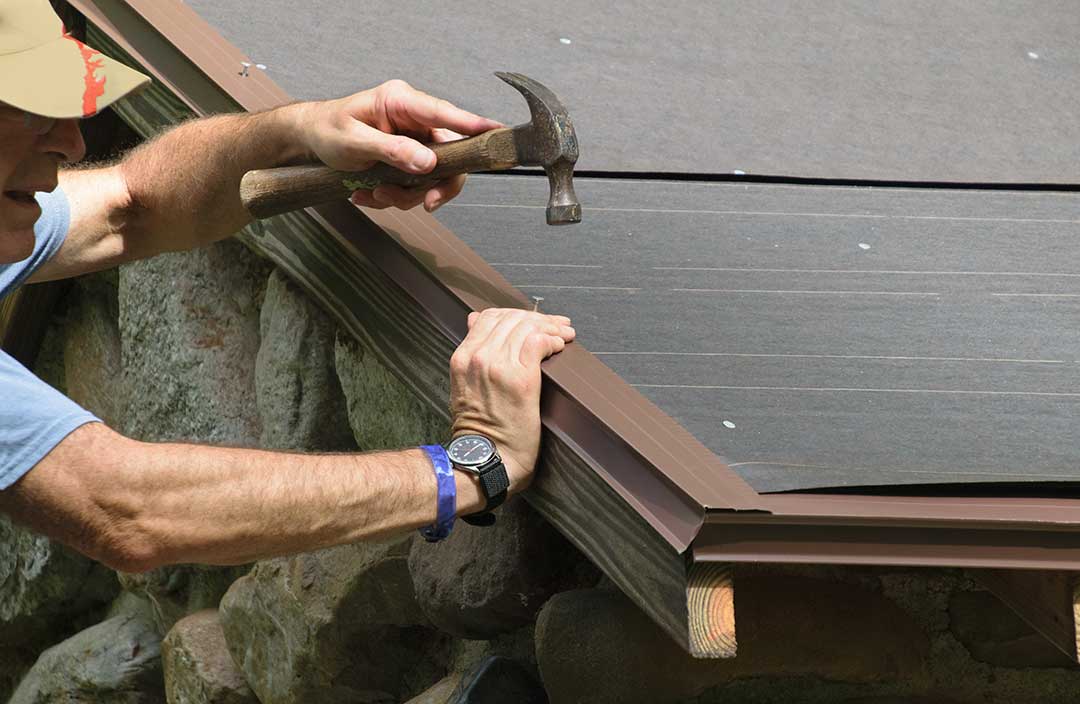
Keep gutters and downspouts clear of leaves, twigs, and other debris before winter. Clogged drainage does not cause every ice dam, but it can slow the movement of meltwater and increase the amount of ice near the roof edge.
Check that downspouts discharge water away from the foundation and that roof valleys are free of accumulated debris. Gutters should be securely attached, since ice and snow can add substantial weight.
Does removing snow from the roof prevent ice dams?
Removing excess snow can reduce the amount of snow available to melt, but it does not correct the heat loss that caused the problem. Snow removal is most useful when performed before a major thaw and when done without damaging shingles, flashing, or underlayment.
Roof raking from the ground may be safer than climbing onto a snowy or icy roof, but tools can still damage roofing materials if used aggressively. Metal tools, chopping, and striking the ice can loosen shingles or puncture protective layers.
Do not climb onto an icy roof or work beneath large icicles without appropriate safety controls. Falling ice and roof falls can cause severe injuries.
Are heat cables a permanent solution?
Roof heating cables can create limited meltwater channels along eaves, valleys, or gutters. They may be useful in specific locations, but they generally manage symptoms rather than eliminate the underlying cause.
Improper installation can damage roofing materials, create electrical hazards, or leave water frozen in other areas. Heat cables should not be treated as a substitute for air sealing, insulation, proper ventilation, and safe snow management.
What warning signs should residents watch for?
Inspect the attic and upper floors after heavy snow, freezing rain, or a rapid thaw. Warning signs include:
- Icicles forming repeatedly in the same locations
- Ice buildup along eaves or inside gutters
- Damp insulation or water stains on roof sheathing
- Drips, discoloration, or peeling paint on ceilings
- Cold drafts around attic hatches or recessed lights
- Frost or moisture on the underside of the roof deck
- Uneven snow melt across otherwise similar roof sections
If water is entering the home, electricity is near wet materials, or ice is hanging over an occupied area, keep people away from the hazard. Electrical and structural risks may require prompt evaluation by a qualified building, roofing, or electrical professional.
Preventing ice dams is mainly a building-envelope task: reduce warm air leakage, maintain continuous insulation, preserve attic airflow, and keep roof drainage paths clear. In a snow-prone winter climate, those measures are more reliable than repeatedly removing ice after it has formed.
