
Which roofing materials last the longest?
The most durable roofing materials for homes in Ithaca, NY are typically metal, slate, clay or concrete tile, and high-quality synthetic roofing products. Their service lives can range from several decades to well over a century, depending on the material, installation quality, roof design, ventilation, maintenance, and exposure to weather.
Durability does not mean a roof will never need attention. Every roofing system can be damaged by falling branches, poor drainage, ice buildup, wind, or improper repairs. The most suitable material depends on the home’s structure, roof slope, budget, appearance, and ability to support the material’s weight.
How does metal roofing perform in a cold, snowy climate?
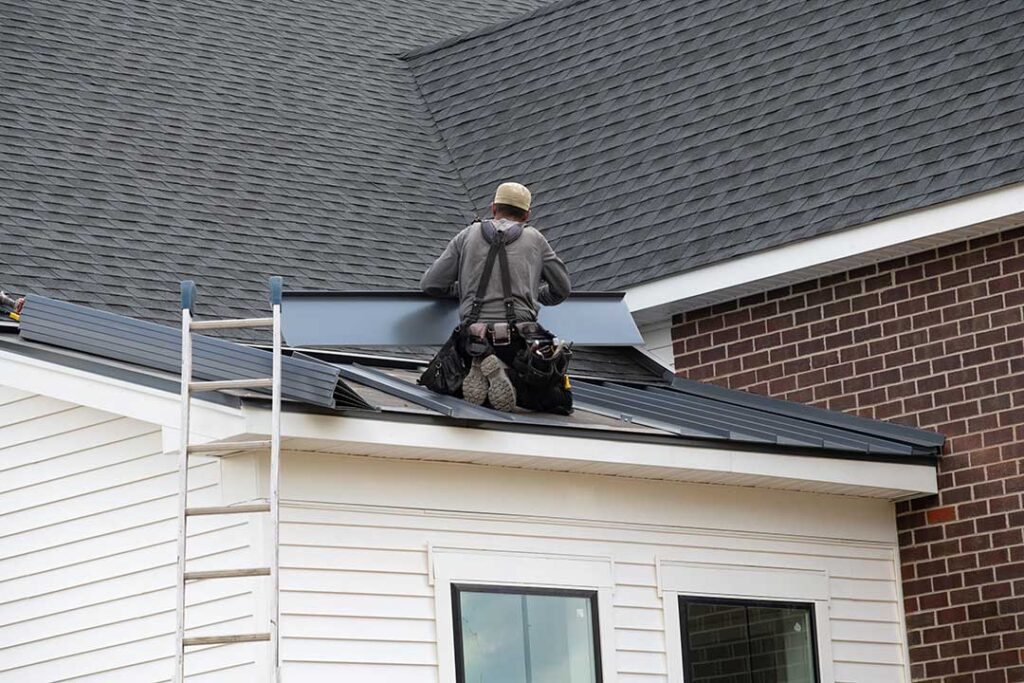
Metal roofing is among the most durable choices for homes exposed to snow, ice, rain, and repeated freeze-thaw cycles. Properly installed metal panels can last approximately 40 to 70 years, and some systems may last longer with regular upkeep.
Metal sheds snow efficiently when the roof has an appropriate slope. This can reduce the time that heavy snow remains on the roof, although snow guards may be needed above entryways, walkways, or lower roof sections. Metal also resists rot, insects, and moisture better than organic roofing materials.
Important considerations include:
- Fasteners, seams, flashing, and penetrations must be installed carefully because small installation defects can lead to leaks.
- Metal surfaces can be noisy during heavy rain if the roof assembly lacks sufficient insulation or underlayment.
- Snow sliding from a steep metal roof can create a safety hazard.
- Different coatings vary in resistance to fading, corrosion, and scratching.
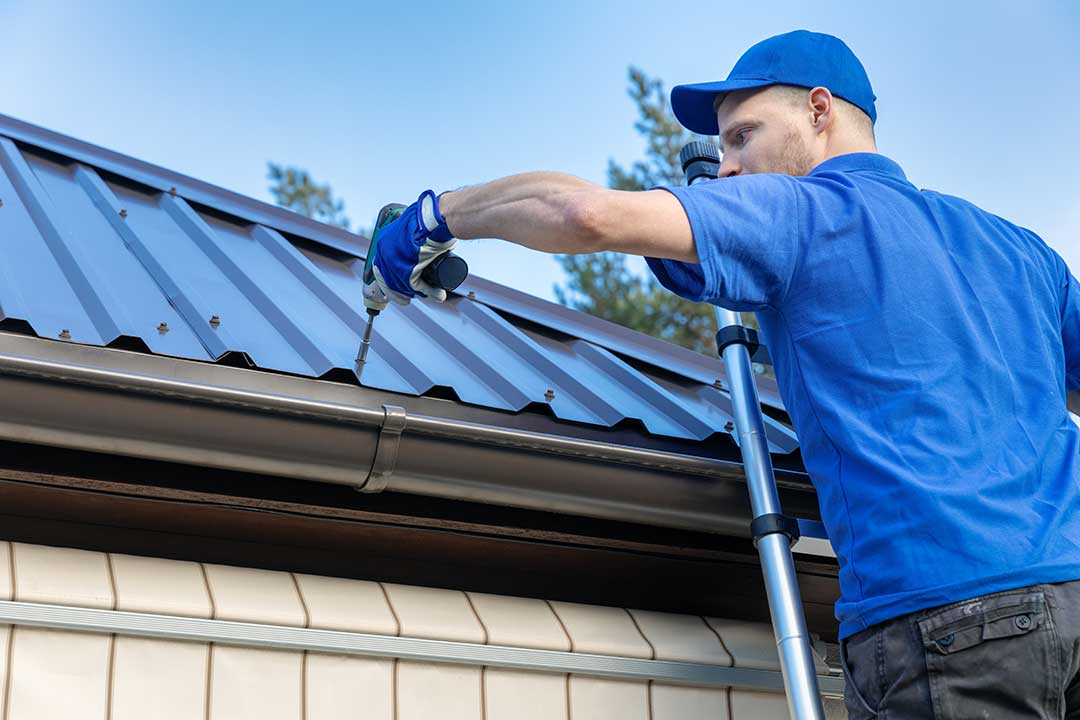
Standing-seam metal is often valued for its concealed fasteners and long service life. Exposed-fastener panels can also be durable, but their fasteners and washers may require closer monitoring as the roof ages.
Is slate the most durable roofing material?
Natural slate is one of the longest-lasting roofing materials available. A properly selected and installed slate roof may remain serviceable for 75 to more than 100 years. Slate is resistant to fire, rot, insects, and many forms of weather-related deterioration.
Its greatest limitation is weight. The underlying roof structure must be designed or evaluated to support it, particularly when replacing a lighter roof with slate. Slate can also break if walked on improperly, and repairs require matching pieces, specialized tools, and careful fastening.
The quality of slate matters. Some varieties are more resistant to delamination, water absorption, and freeze-thaw damage than others. A slate roof is not automatically durable simply because it is made from natural stone; material selection and installation details are central to its performance.
Are clay and concrete tiles suitable for Ithaca homes?
Clay and concrete tiles can last 50 years or longer, with clay often reaching 75 years or more under favorable conditions. They resist fire, insects, and decay, and they maintain their appearance better than many asphalt-based products.
The main concern in a cold climate is moisture entering small imperfections and freezing. Repeated freezing and thawing can crack or weaken some tile products. The roof’s underlayment and flashing are especially important because tiles themselves are only part of the water-shedding system.
Tile roofing is also heavy. Structural capacity, roof pitch, underlayment design, and snow-load considerations must be addressed before installation. Concrete tiles may be more affordable than natural slate, but they still require a roof structure capable of carrying substantial weight.
How long do asphalt shingles last?
Architectural asphalt shingles generally last about 20 to 30 years, although service life varies widely. High-quality products installed on a well-ventilated roof may last longer, while roofs exposed to poor ventilation, algae growth, ice dams, heavy shade, or repeated storm damage may age sooner.
Asphalt shingles are not usually the longest-lasting option, but they remain common because they are relatively light, adaptable to many roof designs, and easier to replace in sections. In many older homes, the roof framing and slope are already suited to this material.
Durability depends on more than the shingle label. Look for adequate underlayment, properly installed flashing, good attic ventilation, and correct fastening. A premium shingle installed over weak decking or poorly detailed valleys will not perform like a premium roof system.
What about synthetic slate and composite roofing?
Synthetic slate and composite roofing products are designed to imitate slate, wood shakes, or other traditional materials while reducing weight and installation challenges. Many are made from polymers, recycled materials, or engineered blends and may have expected service lives of 30 to 50 years or more.
These products can be useful where natural slate or tile would be too heavy. They are also less likely to crack from ordinary handling during maintenance. However, their long-term performance depends heavily on the specific formulation, manufacturing quality, exposure to ultraviolet light, and resistance to temperature changes.
Because product histories vary, published test data and warranty terms should be reviewed carefully. A long warranty does not guarantee that every component of the roof system will last for the same period.
Which roofing materials handle freeze-thaw cycles best?
Metal and well-selected slate generally perform strongly in freeze-thaw conditions, provided that water is directed away from vulnerable areas. Clay and concrete tile can also perform well when they are manufactured for cold climates and installed with appropriate underlayment.
Freeze-thaw damage often begins with water entering cracks, joints, fastener holes, or deteriorated flashing. Ice dams can worsen the problem by holding water along the lower edge of the roof. Good attic insulation and ventilation help keep roof temperatures more consistent, but they do not replace proper flashing or drainage.
Valleys, eaves, skylights, chimneys, and roof-to-wall intersections deserve particular attention because they are common leak locations regardless of the roofing material.
Does roof design affect durability?
Roof design can matter as much as the material. A steep roof may shed snow and rain more effectively, while a low-slope roof requires carefully designed drainage and membrane systems. Complex roofs with many valleys, dormers, and penetrations have more potential leak points than simple roof shapes.
Durability is improved by:
- Adequate roof slope for the selected material
- Strong, dry, properly fastened roof decking
- Correct underlayment and ice-barrier installation
- Durable flashing around penetrations and wall intersections
- Clear gutters and properly directed downspouts
- Attic ventilation that limits excessive heat and moisture
- Regular removal of leaves, branches, and heavy debris
A durable material cannot compensate for standing water, trapped attic moisture, or poorly detailed flashing.
What is the best durable roofing material for an older home?
For an older home, the best choice is often the material that works with the existing structure and roof geometry rather than the material with the longest theoretical lifespan. Metal may provide long service with less weight than slate or tile. Architectural shingles may be the most practical option where the roof structure, budget, or historic appearance limits alternatives.
Before changing materials, the condition of the decking, rafters, ventilation, gutters, and flashing should be considered. A heavier replacement roof may require structural evaluation, especially if the existing roof has signs of sagging or moisture damage.
Local households also need to account for seasonal conditions such as heavy snowfall, spring rain, wind, falling limbs, and long periods of shade. These factors can affect the roof’s actual lifespan more than manufacturer estimates suggest.
How should homeowners compare roofing durability?
Compare the complete roof system, not just the surface material. Useful questions include:
- What is the expected service life in a cold, wet climate?
- How does the material respond to freeze-thaw cycles?
- Can the roof structure support its weight?
- How easily can damaged sections be repaired?
- Are compatible replacement materials likely to remain available?
- How well do the underlayment, flashing, ventilation, and drainage plans address local weather?
- What maintenance is required as the roof ages?
The longest-lasting roof is usually the one with a suitable material, sound structure, careful installation, and consistent maintenance. In Ithaca, that combination is more meaningful than choosing a product based on lifespan claims alone.
