
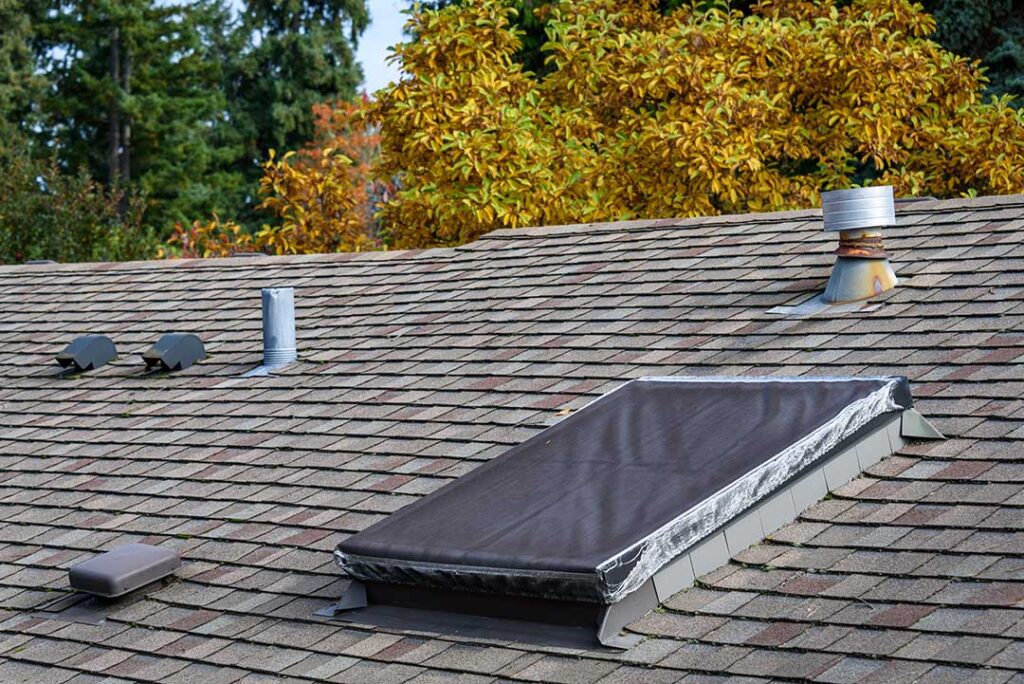
Roof damage is not caused only by storms, falling branches, or heavy snow. Regular sun exposure also changes roofing materials over time. Ultraviolet radiation, repeated heating and cooling, and sunlight reflected from nearby surfaces can slowly reduce a roof’s flexibility and weather resistance.
For homes in Ithaca, NY, sun exposure is only one part of a demanding seasonal cycle. Roofs must also handle rain, freeze-thaw conditions, wind, ice, and substantial winter snowfall. Understanding the effects of sunlight can help residents recognize normal aging, spot developing problems, and avoid confusing sun damage with storm damage.
What does sunlight do to roofing materials?
Sunlight affects a roof through both ultraviolet radiation and heat. Ultraviolet radiation gradually breaks down exposed materials, while high surface temperatures cause expansion. When the roof cools, the materials contract. This process repeats throughout the year and can eventually make roofing components less flexible.
The effects vary by roofing type:
- Asphalt shingles: The surface may lose granules, become brittle, curl, crack, or develop exposed fiberglass mat.
- Metal roofing: Coatings and painted finishes can fade or chalk. Repeated temperature changes may also stress fasteners, seams, and flashing.
- Rubber or synthetic membranes: Ultraviolet exposure can age the surface, particularly where protective coatings have worn away.
- Wood shingles and shakes: Sun can dry and split the wood, while uneven exposure may cause one side of a roof to weather faster than another.
- Roof coatings: Reflective or protective coatings may lose effectiveness as they weather, collect dirt, or develop surface defects.
Sunlight rarely causes an immediate leak by itself. More often, it weakens the roof gradually until another event—such as wind, ice, or heavy rain—reveals the problem.
Why do some roof areas age faster than others?
The roof slope facing the strongest and most consistent sunlight usually shows the earliest visible aging. However, orientation is not the only factor. A roof section can deteriorate faster because of its pitch, color, surrounding trees, ventilation, or exposure to reflected light.
Dark roofing materials generally absorb more heat than light-colored materials. A roof with little shade may reach much higher temperatures than the surrounding air, especially on clear summer afternoons. Roof sections near large light-colored walls, pavement, or open areas may also receive additional reflected sunlight.
Other locations that deserve attention include:
- South- and west-facing slopes
- Roof edges and exposed rake areas
- Areas around chimneys, skylights, and vents
- Sections with missing or deteriorated surface granules
- Low-slope areas where water and debris remain after storms
- Roofs with limited attic ventilation
Shade can slow solar aging, but heavy shade creates a different concern. Persistent shade from trees can keep roofing damp, encourage moss or algae growth, and reduce drying after rain. The most durable roof condition usually comes from a balance of sunlight, airflow, and proper drainage.
How does sun exposure affect asphalt shingles?
Asphalt shingles are especially sensitive to long-term ultraviolet exposure because their weathering layer is the first defense against rain and temperature changes. The small mineral granules embedded in the surface help protect the asphalt and fiberglass base. As those granules loosen, the underlying material becomes more vulnerable.
Some granule loss is normal, especially soon after installation. A significant increase in granules in gutters or at the bottom of downspouts is more concerning, particularly when paired with bald-looking patches on the shingles.
Sun-aged shingles may show:
- Fading or uneven color
- Curling corners or lifted edges
- Cracks along the shingle surface
- Brittle areas that break easily
- Blisters or small raised spots
- Exposed lighter-colored underlayment or mat
A roof does not need to look severely damaged to be near the end of its useful service life. Shingles can remain mostly intact while becoming less flexible and less capable of sealing around fasteners.
Does a hot roof make the attic hotter?
Yes. Sunlight heats the roof covering, and some of that heat moves into the attic. The amount depends on the roofing material, roof color, insulation, air sealing, ventilation, and attic design.
A hot attic does not automatically mean the roof is failing. During sunny weather, elevated attic temperatures are expected. Problems arise when heat and moisture remain trapped for long periods. Poorly controlled attic conditions can contribute to premature aging of roof sheathing, insulation, fasteners, and roofing materials.
In older homes, especially those with remodeled attic spaces or complicated rooflines, ventilation may not work as originally intended. Blocked soffit vents, insufficient exhaust ventilation, or air leakage from the living space can make the attic warmer and more humid.
The roof covering and the attic should be considered together. Reflective materials may reduce heat gain, but they cannot correct blocked ventilation or inadequate insulation.
How does Ithaca’s seasonal weather compound sun damage?
The local climate creates repeated transitions between wet, cold, snowy, and sunny conditions. Climate normals for the area include substantial annual precipitation and roughly 60 inches of average snowfall, with warm summer afternoons and below-freezing winter temperatures.
That cycle matters because sunlight can weaken roofing materials before winter arrives. A brittle shingle may tolerate a quiet summer but crack or break when exposed to freezing temperatures, wind, snow loading, or ice movement. Water can enter small openings, freeze, expand, and enlarge them.
Spring often makes these issues easier to notice. Snow and ice may conceal roof defects during winter, while melting conditions can carry loose granules and debris into gutters. After several sunny and warm days, residents may also see signs that were not visible under snow cover.
Can sun exposure cause roof leaks?
Sun exposure can contribute to leaks, but it is usually one factor in a chain of damage. Ultraviolet radiation and heat may weaken shingles, flashing sealants, pipe boots, or membrane surfaces. Wind can then lift a weakened edge, or freeze-thaw action can open a small crack.
Leaks connected with sun-aged materials may first appear as:
- Water stains near exterior walls or upper-floor ceilings
- Damp insulation in the attic
- Peeling paint or soft drywall
- Drips around chimneys, vents, or skylights
- Musty odors after rain
- Daylight visible through the roof deck
A ceiling stain does not always line up directly with the exterior source. Water can travel along rafters, roof sheathing, insulation, or framing before entering the living space. Interior staining should therefore be treated as evidence of moisture, not as a precise map of the roof defect.
What can residents safely check from the ground?
A ground-level inspection can reveal useful clues without creating fall hazards. Binoculars may help with difficult-to-see areas.
Look for:
- Uneven color or large faded sections
- Missing, lifted, or curled shingles
- Excessive granules in gutters or near downspouts
- Rusted or visibly displaced flashing
- Sagging roof lines
- Moss or debris holding moisture against the surface
- Tree limbs or nearby structures creating unusual shade
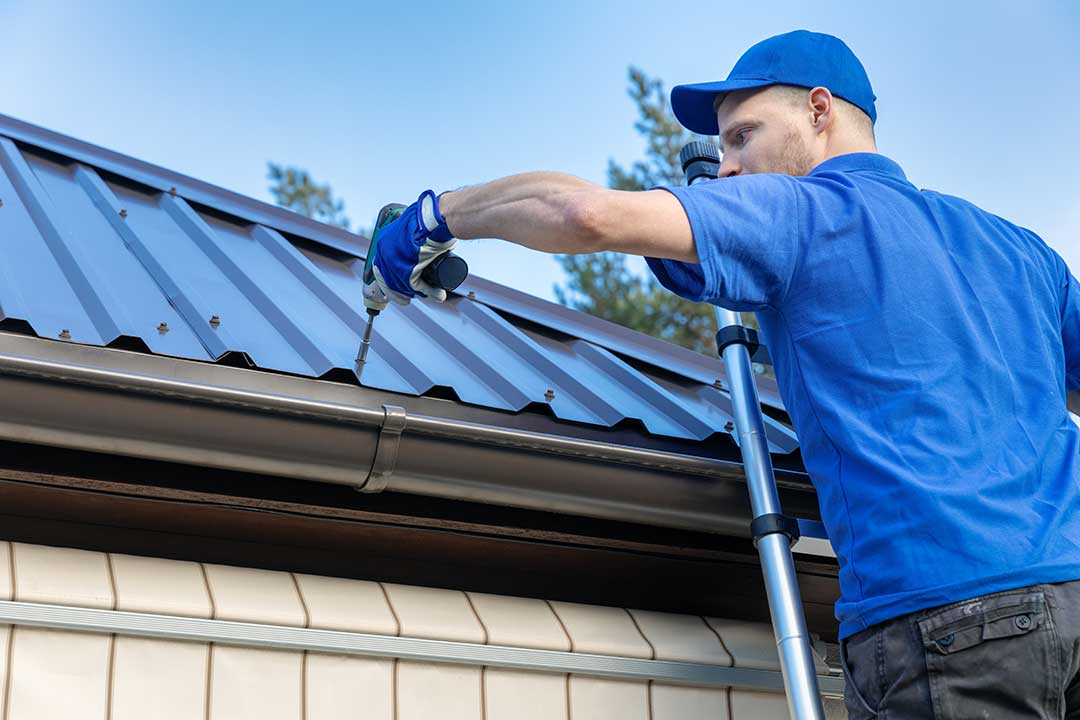
Avoid walking on a roof that is wet, icy, steep, fragile, or unfamiliar. Roof damage can also be hidden beneath snow, leaves, or moss. If a roof has a sag, an active leak, exposed decking, or loose material after a storm, evaluation may require someone equipped to work safely at height.
Sun exposure is a normal part of a roof’s life, not automatically a sign of poor construction or an urgent failure. The practical question is whether sunlight has combined with age, moisture, poor ventilation, or seasonal stress to reduce the roof’s ability to shed water. Regular observation from the ground, clean drainage paths, and attention to early changes can help identify deterioration before a small weakness becomes an interior water problem.
