
Why do pests get into roofs in Ithaca, NY?
Pests usually enter through small gaps created by aging materials, weather damage, poor ventilation details, or openings around roof-mounted equipment. Once inside, attics provide shelter, warmth, nesting material, and protection from snow, rain, and predators.
In Ithaca, seasonal temperature changes can make these problems more noticeable. Freeze-thaw cycles may widen cracks, heavy snow can stress roof edges, and strong wind or falling branches can loosen shingles, flashing, soffits, or vents. Older homes may also have several past repairs, creating more places for animals and insects to find a way inside.
A roof does not need a large visible hole for pests to enter. Some animals can squeeze through openings only a few inches wide, while insects may use gaps that are barely noticeable from the ground.
Which parts of a roof are most vulnerable?
The most common entry points are areas where two materials meet or where the roof connects with another part of the home.
Typical locations include:
- Loose or missing shingles
- Damaged ridge caps and roof edges
- Gaps in soffits and fascia
- Unscreened attic vents
- Cracked or displaced vent covers
- Openings around plumbing vents
- Gaps around chimneys
- Loose chimney flashing
- Roof-to-wall intersections
- Openings around dormers
- Damaged gutters and roof trim
- Holes caused by branches, ice, or animal activity
Roof penetrations deserve particular attention. Plumbing vents, bathroom exhaust vents, furnace vents, and other openings interrupt the roof surface and depend on flashing or seals to keep water and animals out. If a cover breaks or a seal pulls away, the opening can become an entry route.
How do squirrels, birds, bats, and raccoons enter?
Different animals use different weaknesses in the roof system, but most take advantage of existing damage rather than creating a new opening from nothing.
Squirrels commonly chew through soft wood, roof-edge materials, and attic ventilation components. They may enlarge a small gap near a soffit or fascia board. Their activity can damage insulation, wiring, and stored items.
Birds often enter through damaged vents, missing screens, or gaps beneath roof edges. Nesting material can block ventilation openings and increase moisture problems in the attic.
Bats may use narrow gaps near flashing, ridge vents, chimneys, and roof-to-wall joints. They can enter through openings that are difficult to see from the ground. Their presence may be noticed through sounds, droppings, or staining near an entry point.
Raccoons usually need a larger opening, but they can tear loose materials or enlarge weak areas. A raccoon in an attic can cause significant damage because of its size, strength, nesting behavior, and waste.
The type of sound can offer a clue, but noise alone is not enough to identify an animal. Scratching at night, movement during daylight, fluttering, and repeated activity near one location may point to different occupants. The timing of the noise should be considered along with droppings, nesting material, damage, and visible openings.
Can insects get through a roof?
Yes. Insects can enter through much smaller gaps than mammals and birds. Carpenter ants, wasps, bees, beetles, and other insects may use openings around trim, vents, chimneys, skylights, and roof edges.
Carpenter ants are especially associated with damp or softened wood. Their presence does not always mean the roof is the original source of the problem, but moisture from a roof leak may create conditions that attract them.
Wasps and bees may build nests beneath shingles, behind fascia, or inside wall and attic cavities. Insect activity around one roof section can sometimes reveal a hidden gap or moisture-damaged area.
Not every insect near a roof has entered through the roof. Some fly in through windows, chimneys, wall openings, or existing attic ventilation. The most useful approach is to look for a pattern of activity and inspect nearby materials for moisture, decay, or gaps.
What signs suggest pests are entering through the roof?
The clearest signs are physical damage, sounds, droppings, and changes in attic conditions. A single sign may have another explanation, but several signs together deserve attention.
Look for:
- Scratching, scampering, chewing, or fluttering sounds
- Droppings or urine staining
- Torn insulation or disturbed attic insulation
- Nesting material made from paper, leaves, fabric, or insulation
- Daylight visible through roof or wall joints
- Damaged shingles, soffits, vents, or fascia
- Grease marks or dark rub marks near an opening
- Unusual odors from the attic
- Gnaw marks on wood, wiring, or plastic
- Insects repeatedly entering or leaving one spot
- Water stains near a suspected entry point
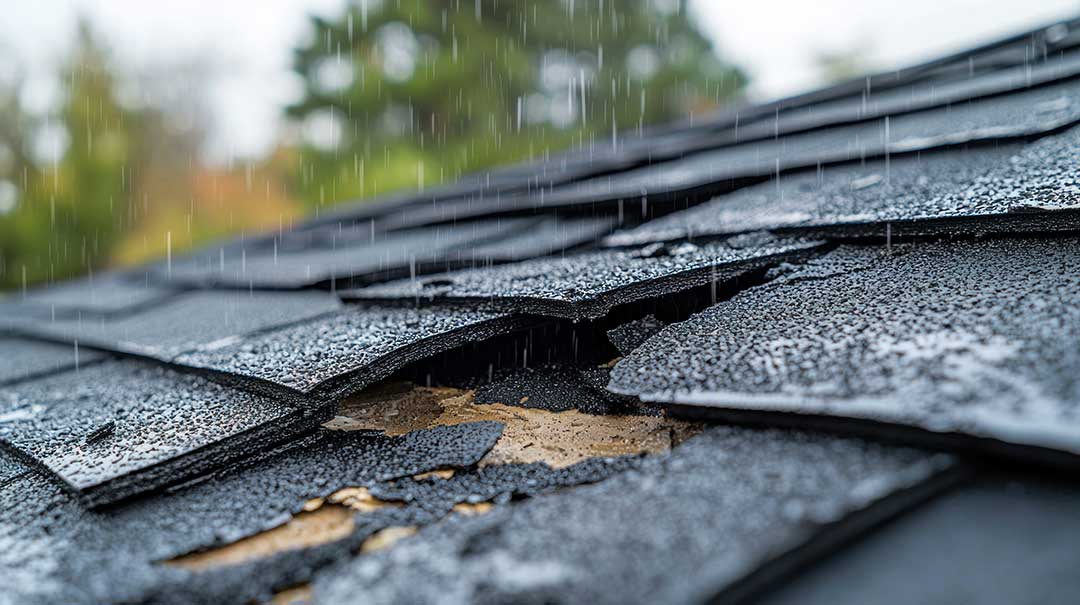
During winter, snow can hide roof damage from view. After a storm, inspecting from the ground with binoculars may reveal displaced shingles, damaged vent covers, or animal tracks near roof edges without requiring anyone to climb onto an icy surface.
Can roof ventilation openings allow pests inside?
Roof ventilation openings are designed to move air, but they should also include suitable barriers against animals and insects. Screens can become bent, rusted, blocked, or torn. Some older vents may have deteriorated protective material.
Blocking a vent with wood, insulation, or improvised material can create another problem by reducing attic airflow. Poor ventilation may contribute to condensation, moisture buildup, and premature deterioration of roofing materials.
The goal is not to seal every vent shut. Ventilation openings need to remain functional while being protected with properly fitted, durable screening or components designed for that location.
Why should entry points be repaired carefully?
Closing an opening without knowing whether an animal is inside can trap wildlife in the attic or separate young animals from a parent. This may lead to distress, odor, further damage, or attempts to escape through another part of the roof.
Seasonal timing also matters. Some animals may be nesting or raising young when a gap is discovered. A covered opening can create a larger problem if the occupants cannot leave safely.
Another concern is disease exposure. Droppings, nesting material, and contaminated insulation should not be handled casually. Gloves alone may not provide enough protection when materials are heavily soiled or when dust could become airborne. Safe cleanup depends on the animal involved, the amount of contamination, and the condition of the attic.
How can residents reduce roof entry risks?
Regular observation is more useful than waiting for a leak or loud attic noise. From the ground, check roof edges, soffits, fascia, vents, chimneys, and visible flashing at least a few times each year and after major storms.
Helpful maintenance includes:
- Replacing missing or badly damaged shingles
- Keeping roof edges and trim securely attached
- Checking that vent covers and screens are intact
- Trimming branches that touch or overhang the roof
- Keeping gutters clear so water does not soak roof-edge materials
- Repairing water-damaged wood
- Checking attic insulation for disturbance or nesting
- Keeping indoor trash and food sources secured
- Avoiding loose materials near exterior walls that may provide climbing access
Do not place hands into an unfamiliar opening, reach into active nests, or climb onto a roof covered with snow, ice, moss, or loose debris. Safety becomes especially important on steep roofs and around chimneys, skylights, and electrical equipment.
A pest entry problem is often also a moisture or building-maintenance problem. Finding the animal is only part of the task; identifying the damaged roof component and restoring proper drainage, flashing, ventilation, or screening helps prevent the same opening from being used again.
