
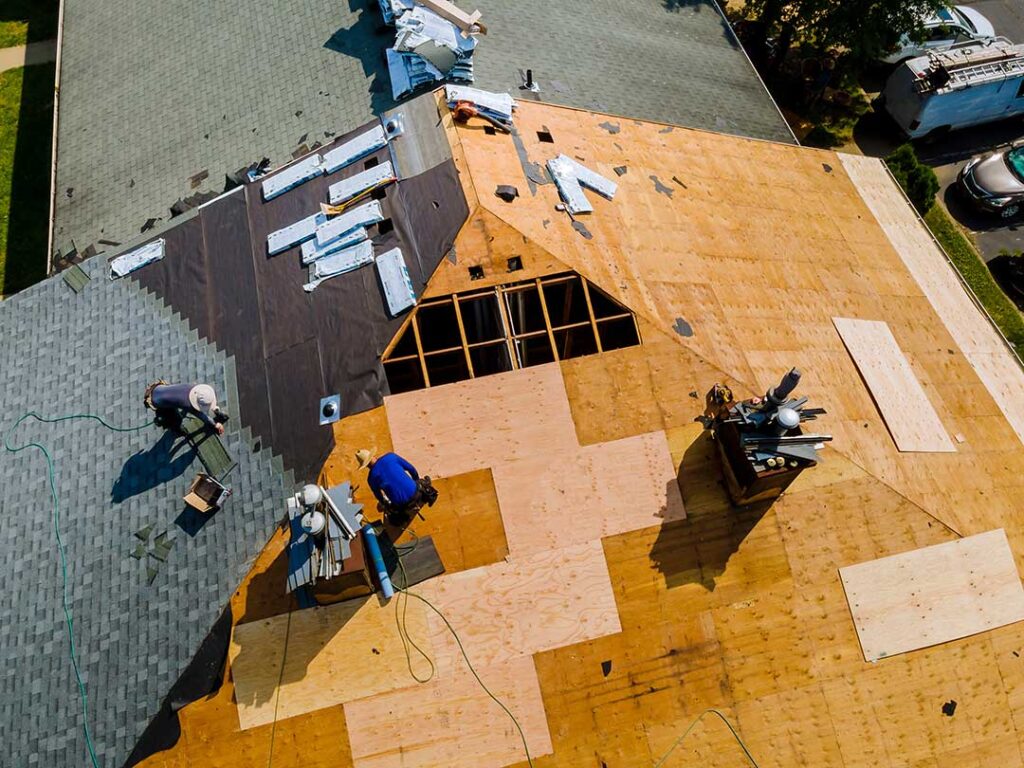
Roofing technology has advanced beyond changes in shingle color or appearance. Newer systems can improve moisture control, ventilation, energy performance, durability, and maintenance planning. For households in Ithaca, NY, the most useful innovations are those that address freeze-thaw cycles, heavy rain, snow, ice, wind, and the difficulty of keeping older homes dry and well ventilated.
What counts as roofing technology today?
Modern roofing technology includes both visible materials and less visible components beneath the roof surface. A roof performs as a system, not as a single layer.
Current improvements may involve:
- Impact-resistant or polymer-modified shingles
- Synthetic underlayments that resist tearing and water intrusion
- Self-adhering membranes around vulnerable roof edges and penetrations
- Improved ridge and soffit ventilation
- Reflective or solar-integrated roofing materials
- Sensors and inspection tools that help identify moisture or heat problems
- Digital mapping and maintenance records for larger or more complex roofs
Some innovations are designed for longer service life. Others are intended to make installation safer, reduce waste, or help identify small problems before they become structural damage.
Which roofing innovations are most useful in Ithaca?
For local homes, water management and seasonal durability usually matter more than advanced appearance features. A roof must handle rain, snow, ice, damp shaded areas, and repeated temperature changes.
Freeze-thaw conditions can expose weak points in flashing, sealants, membranes, and roof edges. Water enters a small opening, freezes, expands, and then widens the defect. Modern underlayments and carefully designed flashing details help reduce this risk, although no material can compensate for poor drainage or defective installation.
Synthetic underlayments are now common in many roofing systems. Compared with older felt products, they are generally lighter, more resistant to tearing, and less likely to absorb water during construction. Their value is greatest when they are installed with appropriate overlaps and integrated properly with flashing.
Self-adhering waterproof membranes are another useful development. They are often placed in areas that receive concentrated water or are vulnerable to ice-related backup, such as eaves, valleys, wall intersections, and roof penetrations. These membranes add protection beneath the outer roofing material, but they still need to be used as part of a complete drainage design.
Do newer shingles last longer?
Some newer shingles are engineered to resist wind, impact, algae growth, or temperature-related movement better than older products. However, a product’s label does not guarantee that the entire roof will reach its advertised life span.
Actual performance depends on several factors:
- Roof slope and drainage
- Attic ventilation
- Exposure to shade and moisture
- Quality of flashing
- Fastener placement
- Installation temperature and technique
- Maintenance around chimneys, vents, skylights, and roof edges
Impact-resistant materials may be useful where falling branches, hail, or repeated weather exposure are concerns. They are not necessarily immune to damage from large limbs, severe storms, or improper handling.
Longer warranties also require careful interpretation. Some cover only manufacturing defects, while others have limited coverage for wind, algae, labor, or early replacement. A longer warranty is not automatically evidence that a roof is better suited to local conditions.
How does improved ventilation affect a roof?
Better ventilation helps control heat and moisture in the attic. It does not simply make the roof “breathe” in a general sense; it works by allowing air to enter through lower intake openings and leave through higher exhaust openings.
Balanced ventilation can help reduce:
- Condensation on roof framing and fasteners
- Excessive summer attic heat
- Moisture-related insulation problems
- Premature deterioration of roofing materials
- Ice formation caused by uneven roof temperatures
Ventilation cannot solve every moisture problem. Bathroom and kitchen exhaust should discharge outdoors rather than into the attic, and air leaks from the living space should be sealed. A roof with plenty of exhaust openings but insufficient intake air may not ventilate effectively.
Older homes often have roof additions, enclosed soffits, or irregular attic layouts that make ventilation difficult. In these cases, adding a vent without considering the full airflow path may provide little benefit.
Are cool roofs practical in a cold-weather climate?
Reflective roofing materials can reduce heat absorption during sunny weather, potentially lowering attic temperatures and cooling demand. Their value is usually greater on low-slope roofs, larger buildings, and homes with significant summer heat gain.
In a colder climate, reflective roofing is not automatically the best choice for every home. Snow cover, roof orientation, insulation levels, shade, and heating patterns all affect the result. A reflective surface may reduce summer heat gain, but it does not replace adequate insulation or air sealing.
For many homes, improving attic insulation and controlling air leakage provides a more consistent energy benefit than choosing a highly reflective roof color alone.
What role do solar roofing systems play?
Solar technology can be added above a conventional roof or integrated into certain roofing materials. Solar shingles and related products are designed to combine electricity generation with the roof surface, while traditional solar panels remain a separate layer mounted above the roofing.
The main roofing question is not only how much electricity a system can produce. It is also whether the roof beneath it is in good condition and likely to remain serviceable for the system’s expected life.
Roof age, orientation, shade from trees, structural capacity, wiring routes, and access for future repairs all matter. Installing solar over a roof near the end of its service life can create complications because removing and reinstalling the equipment may be necessary during a later roof replacement.
Can technology detect roof leaks before they are visible?
New inspection tools can identify clues that are difficult to see from the ground. Infrared equipment may reveal temperature differences associated with trapped moisture under certain conditions. Moisture meters, aerial imaging, and digital roof plans can also help document problem areas.
These tools are useful, but they do not replace careful visual inspection. A temperature difference may have several possible causes, and a moisture reading must be interpreted in context. The most reliable assessment combines technology with examination of flashing, roof penetrations, attic surfaces, insulation, gutters, and interior ceilings.
For property owners, digital photographs and dated maintenance records can be especially helpful. Tracking recurring stains, ice buildup, repairs, and areas of moss or debris may reveal patterns before serious damage develops.
Which innovations reduce roofing waste?
Roofing waste can be reduced through accurate measurements, better material planning, longer-lasting products, and recycling programs where available. Some manufacturers also use recycled content in roofing materials, although recycled content and recyclability are separate issues.
A material may contain recycled components but still be difficult to recycle after removal. Disposal practices also vary by local facility and by the type of roofing material. Keeping old roofing separate from other construction debris may improve the chance that it can be processed appropriately.
Durability is another form of waste reduction. A roof that lasts longer, remains repairable, and avoids premature replacement generally uses fewer materials over time than a system that requires frequent tear-offs.
What should homeowners ask about new roofing technology?
Before choosing an unfamiliar material or system, residents should ask practical questions:
- How does it perform with snow, ice, rain, and repeated freezing?
- What maintenance does it require?
- Can individual components be repaired or replaced?
- How are flashing and penetrations handled?
- Does the attic need additional insulation or ventilation work?
- What happens if a solar or electrical component fails?
- Are replacement parts likely to remain available?
- How is the material disposed of at the end of its service life?
The newest option is not always the most appropriate. In many cases, the most dependable improvement is a well-designed roof assembly with sound flashing, controlled attic moisture, adequate insulation, and materials suited to the building’s slope and exposure.
