
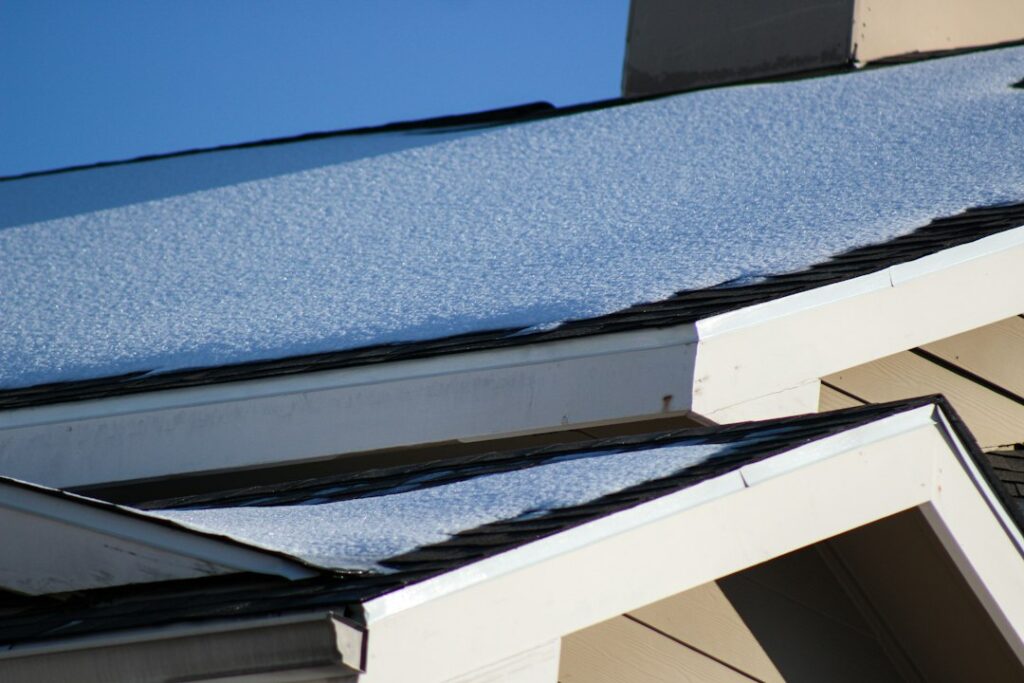
Roof damage rarely stays confined to the roof. A missing shingle, lifted flashing, cracked vent boot, or small ceiling stain can allow water to move into roof decking, insulation, walls, wiring, and finished rooms. In Ithaca, NY, repeated snow, rain, wind, freezing temperatures, and freeze-thaw cycles can make a neglected defect worse over time.
The most serious problems are often hidden. By the time bubbling paint, sagging drywall, or a musty odor appears, moisture may have been entering the building for weeks or months.
Why can a small roof problem become a major repair?
A roof covering is only one part of a larger system. Beneath it are underlayment, wood sheathing, rafters or trusses, insulation, ventilation pathways, and interior finishes. Water that passes through a damaged area can travel sideways before becoming visible indoors.
A small opening may lead to:
- Wet or deteriorated roof decking
- Stained or sagging ceilings
- Damp insulation that loses effectiveness
- Warped framing or wall materials
- Mold growth in concealed spaces
- Corrosion around fasteners, vents, and metal components
- Damage to light fixtures, wiring, or other electrical parts
Water does not always drip directly below the original defect. It can follow roof slopes, framing, insulation, and plumbing or electrical penetrations. A ceiling stain may therefore appear several feet away from the actual source.
How does Ithaca weather affect neglected roof repairs?
Seasonal weather increases the stress placed on damaged roofing. The area receives substantial annual snowfall, and winter conditions can alternate between snow, rain, melting, and refreezing.
Freezing and thawing can widen small cracks and openings. Moisture enters a vulnerable seam, freezes, expands, and places additional pressure on surrounding materials. Later, melting snow or rain can reach the enlarged gap.
Snow and ice can also conceal damaged shingles or flashing. A problem that is visible in autumn may be difficult to identify during winter, while trapped moisture continues affecting the roof assembly.
Spring deserves particular attention. Melting snow, heavy rain, and clogged drainage can send more water toward weak areas. Roof edges, valleys, chimneys, skylights, and wall intersections are especially vulnerable because they handle concentrated water flow.
What structural damage can result from a roof leak?
Long-term moisture can weaken the wood that supports the roof. Roof decking may soften, delaminate, or lose its ability to hold fasteners securely. Rafters and trusses can also be affected if water repeatedly reaches them.
Structural deterioration may not be obvious from the ground. A roof can look generally intact while localized damage develops around a chimney, valley, dormer, vent, or area of missing shingles.
Warning signs include:
- Sagging roof lines
- Uneven areas visible from the attic
- Soft or crumbly roof decking
- Rusted nails or metal connectors
- Doors or windows that begin sticking after prolonged moisture exposure
- Ceiling or wall surfaces that sag, bulge, or separate
A sagging ceiling is not merely a cosmetic concern. It may indicate accumulated water or weakened materials. People should avoid standing beneath a visibly bulging area, particularly during active rain or snowmelt.
Can an ignored leak cause mold or indoor air problems?
Yes. Persistent moisture can support mold growth in wood, paper-faced drywall, insulation, carpeting, and other materials. Mold may develop even when a room does not smell strongly musty.
The risk is higher when damp materials remain enclosed inside a wall or ceiling. Painting over a stain may improve appearance temporarily, but it does not dry the materials or stop the leak.
Moisture-related indoor problems may include:
- Musty odors
- Visible spotting or discoloration
- Increased dust or debris from deteriorating materials
- Irritation for people with allergies or asthma
- Recurring dampness after rain or snowmelt
The roof leak and the resulting moisture damage are separate issues. Stopping the water source is necessary, but wet building materials may also need to be dried, cleaned, or replaced depending on their condition.
Why are electrical hazards a concern?
Water can reach electrical wiring, ceiling fixtures, junction boxes, attic equipment, and outlets located near affected walls or ceilings. This creates risks that may not be visible from inside the room.
Signs that require caution include:
- Flickering lights after rainfall
- A tripped breaker associated with a damp area
- Buzzing or sizzling sounds
- Warm, discolored, or damp electrical fixtures
- Water near ceiling fans, light fixtures, or outlets
Do not touch wet electrical components. If water is actively reaching electrical equipment, occupants should move away from the area and use appropriate emergency assistance when necessary.
Does delaying repairs make the eventual work more complicated?

Often, yes. Early damage may involve a limited section of roofing or flashing. After repeated moisture exposure, the affected area may include decking, insulation, framing, drywall, paint, flooring, and personal belongings.
Delayed repairs can also make it harder to identify the original source. Multiple leaks may develop, stains may overlap, and temporary patches may hide the path water is taking.
A repair made during dry conditions is generally easier to evaluate than emergency work performed during active precipitation or winter weather. However, unsafe roof access should never be attempted simply to investigate a suspected problem.
What roof problems should residents watch for?
A ground-level inspection after strong weather can identify some warning signs without requiring anyone to climb onto the roof.
Look for:
- Missing, cracked, curled, or lifted shingles
- Exposed underlayment or wood
- Damaged flashing around chimneys, vents, and roof edges
- Sagging gutters or downspouts
- Granules collecting heavily in gutters
- Water stains in attic spaces
- Damp insulation or daylight visible through the roof deck
- Peeling paint or brown ceiling marks
- Ice buildup along roof edges followed by interior leaking
A stain that appears only during heavy rain still deserves attention. Intermittent leaks can be particularly damaging because materials may remain damp between visible events.
Is a roof leak always an emergency?
Not every leak requires the same response, but active water entry should not be ignored. A minor-looking drip can become more serious if rain continues, snow melts rapidly, or the leak is near electrical equipment.
Immediate caution is appropriate when there is:
- A sagging ceiling
- Rapidly increasing water entry
- Water near electrical fixtures
- A strong burning odor or electrical noise
- Structural movement
- Extensive mold or sewage-contaminated water
- A roof area damaged by a fallen branch or severe weather
People should avoid climbing onto an icy, wet, steep, or visibly damaged roof. Roof inspection and repair can involve fall hazards, concealed weak decking, and unstable snow or ice.
How can roof damage be documented safely?
Photographs from the ground and from dry interior areas can help establish when a problem appeared. Useful documentation includes the date, weather conditions, location of stains, changes in ceiling or wall surfaces, and any visible exterior damage.
Inside the attic, residents should avoid stepping directly on insulation or unsupported ceiling materials. A flashlight can help identify damp wood, staining, or daylight, but probing weakened materials can cause additional damage.
Keeping gutters, downspouts, and roof drainage paths clear also helps reduce water concentration around vulnerable areas. This does not correct damaged roofing, but it can limit avoidable moisture exposure while the condition is being evaluated.
Roof maintenance is especially valuable before the cold season, after major wind events, and during spring snowmelt. Small defects are usually easier to understand and address before water has reached the hidden layers of the building.
