
Can old roofing materials be recycled?
Yes, some roofing materials can be recycled, but they usually do not belong in household recycling bins. In Ithaca, NY, old asphalt shingles and roofing paper may be accepted by properly registered construction and demolition debris facilities when they are uncontaminated and free of friable asbestos.
Recycling typically involves sorting, removing debris, grinding the shingles, and using the recovered material in asphalt pavement or other approved applications. Acceptance rules vary by facility, so roofing waste should be identified and separated before it is transported.
Which roofing materials are most commonly recyclable?
The material with the clearest recycling pathway is the standard asphalt shingle. These shingles contain mineral granules, fiberglass or organic reinforcement, asphalt, and other components that can be processed into a usable aggregate or asphalt-related product.
Other roofing materials may have different options:
- Asphalt roofing paper and underlayment: May be accepted with asphalt shingles if uncontaminated.
- Metal flashing, gutters, and vents: Often recyclable as scrap metal when separated from roofing debris.
- Clay or concrete tiles: May be reusable or processed as masonry material, depending on condition and facility rules.
- Slate: Intact pieces may be reused for repairs; broken slate may be handled as masonry or construction debris.
- Wood shakes: Clean, untreated wood may have limited recycling or reuse options, but painted, stained, or treated shakes require different handling.
- Rubber or synthetic roofing membranes: Acceptance depends on the specific material and the receiving facility.
- Insulation and foam boards: These should not be mixed automatically with shingles because recycling requirements differ by product.
Roofing debris is more likely to be accepted when it is source-separated. Mixed loads containing wood, plastic wrap, insulation, household trash, and other materials may be rejected or charged as general construction waste.
What should be removed before recycling shingles?
Before loading old shingles, remove materials that do not belong in a shingle recycling stream. This may include:
- Wood scraps and damaged roof decking
- Plastic packaging and shrink wrap
- Cardboard
- Loose insulation
- Large quantities of nails, although small amounts of roofing nails may be tolerated by some processors
- Metal flashing, gutters, and vents
- Leaves, soil, household garbage, and other organic debris
Perfectly removing every nail is not always practical. Many shingle processors are equipped to handle ordinary roofing nails, but large metal pieces and unrelated debris should be separated. Keeping materials organized also makes it easier to determine whether a load meets the facility’s requirements.
A tarp or covered container helps prevent lightweight pieces from blowing into streets, yards, storm drains, or nearby waterways. This matters particularly during windy weather and during the spring and fall cleanup seasons.
How can residents arrange local disposal or recycling?
The first step is to ask the receiving facility whether it accepts post-consumer asphalt shingles, roofing paper, or other roofing materials. Confirm all of the following before hauling the load:
- Whether residential quantities are accepted
- Whether the material must be separated
- Whether loads must be covered
- Whether there is a minimum fee
- Whether a permit, punch card, or other payment method is required
- Whether the facility accepts homeowner drop-offs or only contractor-delivered loads
The Tompkins County Recycling and Solid Waste Center handles various recycling and disposal services, but roofing debris should not be assumed to qualify for routine drop-off recycling. Requirements, fees, and accepted materials can change, so checking current rules before loading a vehicle can prevent a wasted trip.
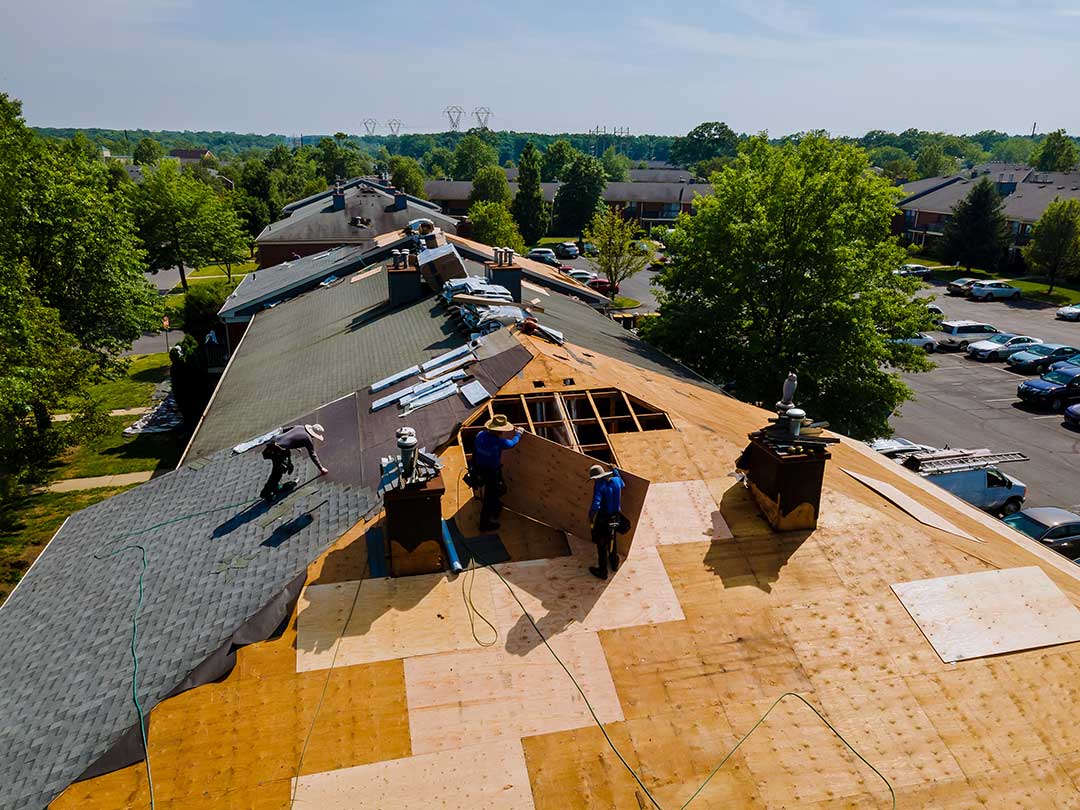
For larger roof replacement projects, a roll-off container may be used. The container provider should be told that the load contains roofing shingles and should be asked whether the material will be sent for recycling or managed as construction and demolition debris. A container labeled for mixed waste may not provide the same recycling outcome as a source-separated shingle load.
Can shingles go in the curbside recycling bin?
No. Asphalt shingles, roofing felt, flashing, and other roofing debris should not be placed in curbside recycling carts or bags. Curbside programs are designed for household packaging and similar recyclable materials, not bulky construction waste.
Roofing pieces can damage collection equipment, contaminate other recyclables, and create unsafe conditions for workers. Small fragments should be swept up and contained rather than placed loose at the curb.
Roofing materials also should not be left beside household trash without confirming local collection rules. In the city, uncollected waste may need to be removed promptly, and construction debris may require a separate disposal arrangement.
What about asbestos-containing roofing?
Suspected asbestos-containing roofing should never be placed in a recycling load. New York requirements distinguish ordinary uncontaminated asphalt roofing from asbestos waste, and facilities authorized to receive shingles generally cannot accept friable asbestos-containing material.
Older roofing products, roofing cement, felts, siding, and certain specialty shingles may contain asbestos. Age alone does not prove that a material contains asbestos, but damaged, crumbling, powdery, or unusual-looking roofing deserves caution. Do not cut, grind, break, sweep aggressively, or use compressed air on suspect material.
If asbestos is suspected, avoid disturbing it and obtain guidance from an appropriately qualified asbestos professional or the relevant state or county waste authority. Do not place potentially contaminated roofing in a dumpster intended for ordinary shingles.
Is reusing roofing material better than recycling it?
Reuse can be preferable when materials remain intact and safe to handle. Slate, clay tiles, metal roofing panels, flashing, ridge caps, and undamaged specialty components may be useful for repairs, small structures, garden projects, or future maintenance.
Reuse is less practical for brittle asphalt shingles because removal often causes cracking, granule loss, and distortion. Damaged shingles may not provide a reliable weather seal, even if they look serviceable from a distance.
Before storing reusable pieces, keep them dry and supported so they do not bend or break. Avoid saving materials that are moldy, heavily weathered, contaminated, or suspected of containing asbestos.
How should old roofing materials be stored temporarily?
Roofing debris should be stored in a stable container or covered pile away from children, pets, walkways, and drainage paths. Use gloves, sturdy footwear, eye protection, and caution around exposed nails. Do not burn roofing materials; asphalt products can produce harmful smoke and may create a fire hazard.
In Ithaca’s snowy winters, freeze-thaw cycles and wet conditions can make loose debris heavier, slippery, and more difficult to handle. Covering the load and keeping it off soft ground also helps prevent soil, mud, and stormwater from mixing with the material.
The most practical approach is to separate recyclable shingles, scrap metal, reusable pieces, and general debris at the time of removal. Confirm the receiving facility’s rules, keep suspect asbestos-containing materials out of ordinary loads, and never treat roofing waste as curbside recycling.
