
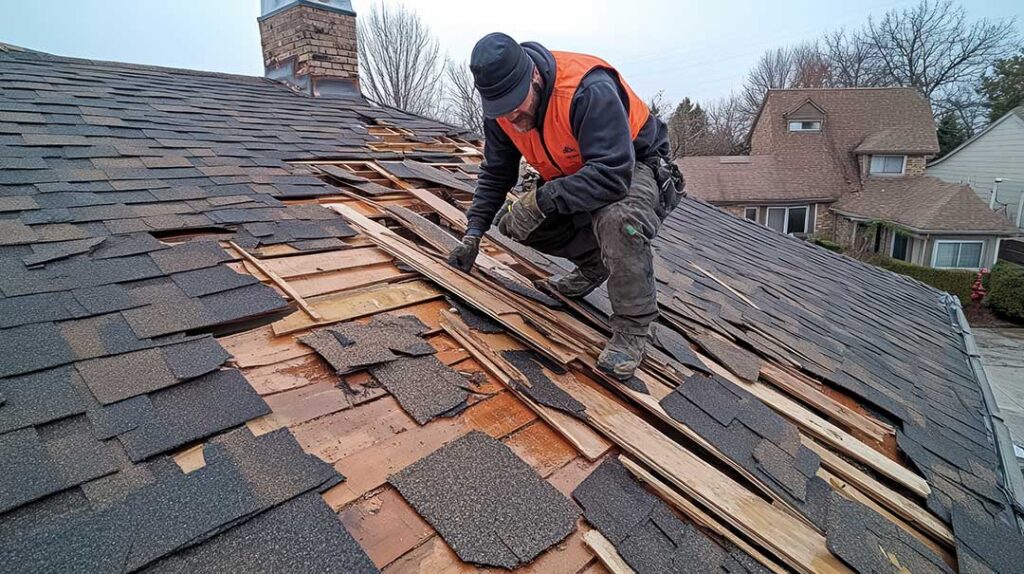
How should homeowners in Ithaca, NY choose a roof color?
The right roof color should work with the home’s exterior, the surrounding landscape, and the region’s seasonal weather. A practical choice balances appearance with concerns such as heat absorption, snow visibility, fading, maintenance, and how long the color is likely to remain appealing.
Roof color is a long-term decision. Shingles or other roofing materials may remain in place for decades, so it helps to evaluate full-size samples in natural light rather than choosing from a small color chart alone.
Which roof colors work well with local homes?
Neutral and blended colors are usually the easiest to live with because they complement a wide range of siding, brick, stone, and trim. Common choices include:
- Charcoal and graphite
- Weathered gray
- Slate blends
- Brown and driftwood tones
- Muted green
- Deep blue-gray
- Black, used carefully with the rest of the exterior
Older homes, wood-sided houses, cottages, and properties with natural stone often look balanced with weathered gray, brown, or muted green roofing. Contemporary homes may suit charcoal, black, or a cooler gray.
The roof does not need to match the siding exactly. In many cases, contrast creates a more attractive result. A pale exterior may benefit from a deeper roof tone, while a dark exterior may look better with a medium gray, brown, or softened blend instead of an equally dark roof.
Should the roof match the siding or the trim?
Matching the roof to the trim is not required, and exact matching can make the exterior look flat. A better approach is to choose a roof color that relates to several existing features.
Look at the following:
- The color of the siding or exterior paint
- Brick, stone, or masonry accents
- Window frames and shutters
- Gutters and downspouts
- Front doors and porch details
- Nearby trees, exposed rock, and other landscape elements
If the home has several colors already, a blended roofing color can connect them visually. For example, a roof containing gray, brown, and muted tan tones may work with both cool siding and warm masonry.
Homes with red brick often pair well with charcoal, slate, brown, or weathered gray. White or pale siding offers more flexibility, although very stark combinations may emphasize roof edges and architectural details.
Does roof color affect indoor temperature?
Yes, but the effect is usually smaller than the influence of insulation, ventilation, air sealing, windows, and overall roof design.
Dark roofing absorbs more sunlight and can become warmer in direct sun. Light or specially designed reflective roofing materials absorb less solar heat and may reduce summer heat gain. This difference is generally more noticeable on buildings with low-slope roofs, poorly insulated attics, or large areas exposed to intense sun.
In a cold, heating-dominated climate, a dark roof is not automatically a poor choice. It may absorb some useful solar heat during sunny winter conditions, while the effect of snow cover, clouds, roof orientation, insulation, and attic ventilation can be more significant than color alone.
For most residential properties, energy performance should be considered as one factor rather than the only deciding factor. A roof that looks attractive but has inadequate insulation or ventilation will not perform well simply because of its color.
Are dark roofs a problem during Ithaca winters?
A dark roof is not inherently unsuitable for winter conditions. Snow, ice, wind, roof pitch, attic temperature, and ventilation all affect winter performance.
Dark shingles can help snow melt more quickly during sunny periods, but uneven melting may contribute to ice dams when warm areas of the roof cause snow to melt and refreeze near colder eaves. Roof color is only one small part of this risk. Heat loss from the building, inadequate attic insulation, blocked ventilation, and roof geometry are usually more important.
Light-colored roofs may make dirt, algae, and biological staining less noticeable in some settings, while dark roofs can make pale debris or salt-like residue more visible. Neither color eliminates maintenance concerns.
Which roof colors hide dirt, streaks, and aging?
Medium and blended colors often conceal everyday variation better than solid, very light, or very dark colors.
A completely black roof may show light-colored debris, pollen, and fading. A very pale roof may show dark organic staining or marks from nearby trees. Mid-tone gray, brown, and mixed-color shingles tend to provide a more forgiving appearance.
Roofing materials can also develop streaks or discoloration from moisture and organic growth, especially where shade and limited airflow keep the surface damp. Trees overhanging the roof can increase the amount of leaves, needles, and debris regardless of the selected color.
The best color for low-maintenance appearance is often a balanced blend rather than the darkest or lightest option available.
How does roof color affect the apparent size and shape of a house?
Roof color changes how strongly the roof stands out from the rest of the building.
Dark colors generally make a roof appear visually heavier and can emphasize a steep pitch or large roof area. This may look appropriate on a traditional house with strong architectural lines. Light or medium colors can make the roof appear less dominant and may work well on smaller homes or houses with broad, complex rooflines.
A darker roof can also make a low-pitched roof more noticeable from the street. On a home with dormers, gables, porches, or multiple intersecting roof sections, a blended color may soften the visual complexity.
Before deciding, view the sample from the street and from neighboring parts of the property. A color that looks attractive up close may appear substantially different when the roof is viewed from a distance.
Should homeowners consider neighborhood character or historic rules?
Yes. The surrounding streetscape can influence whether a color looks natural or out of place. In established parts of the community, traditional gray, brown, slate-like, or muted tones may fit better than highly saturated colors.
Some properties in designated historic areas, planned developments, or communities with architectural restrictions may have rules concerning visible exterior changes. Requirements can differ by location and by the type of work proposed. Checking applicable local rules before ordering materials can prevent an otherwise avoidable problem.
Even where no formal restriction applies, considering nearby homes is practical. A roof does not need to duplicate surrounding houses, but a color that is far outside the neighborhood’s general character may affect the appearance of the property for many years.
What is the most reliable way to compare roof colors?
Use physical samples and review them under several conditions. Digital images and small printed swatches can be misleading because screens, lighting, and surrounding colors change how a roof tone appears.
Compare samples:
- In direct sunlight
- On an overcast day
- In morning and afternoon light
- Against the siding, brick, or stone
- From the street rather than only at close range
- Beside existing gutters, trim, and exterior doors
It is also useful to look at completed roofs that use similar materials and colors. The same named color can appear different depending on shingle texture, granule distribution, roof pitch, and the amount of visible surface.
What is the safest overall choice?
For many homes, a medium or dark blended gray, brown, or slate tone provides the most flexibility. These colors generally work with common exterior materials, tolerate seasonal changes, and remain visually appropriate if the siding or trim is repainted later.
The strongest choice is not necessarily the trendiest color. It is the one that suits the home’s architecture, works with its surroundings, does not create unwanted heat or glare concerns, and will still look reasonable after several winters and summers.
