
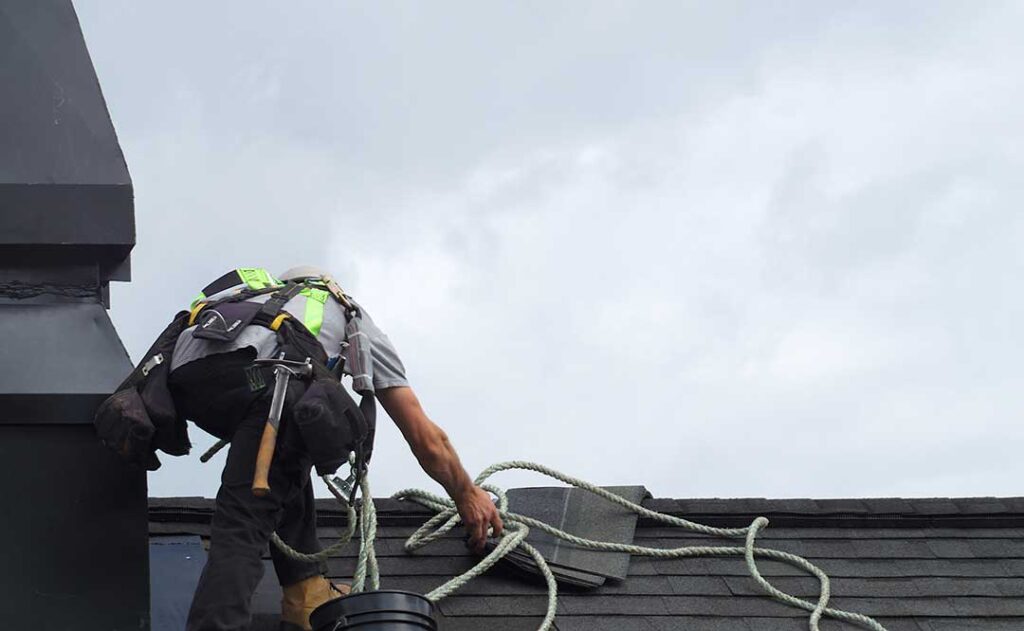
Why animals can damage a roof
Animals can affect roof integrity by creating openings, loosening materials, blocking drainage, and introducing moisture into areas that were designed to remain dry. In Ithaca, NY, seasonal temperature changes, heavy precipitation, snow, and ice can make small animal-related defects more serious over time.
Most animal damage begins with a minor weakness rather than a dramatic breach. A lifted shingle, aging vent cover, loose flashing, or gap at an eave may be enough for an animal to enter. Once inside, the animal may enlarge the opening, disturb insulation, damage wiring, or allow water to reach roof framing.
The effects are not always visible from the ground. Roof damage may first appear indoors as a ceiling stain, musty odor, unusual noise, or a draft near an upper wall.
Which animals commonly affect roofs?
Several types of wildlife and household pests can interact with residential roofing systems.
- Squirrels may chew through soft roofing materials, fascia, soffits, and vent screens. Their teeth continue growing throughout life, so they regularly gnaw wood, plastic, and other materials.
- Raccoons can tear at loose shingles, roof edges, chimney flashing, and vent covers. Their size and strength allow them to enlarge small openings quickly.
- Birds may nest beneath shingles, inside ridge vents, or around chimney caps and exhaust vents. Nesting materials can restrict airflow and hold moisture.
- Bats often use small gaps near roof intersections, soffits, and flashing. Their presence can lead to staining, odors, and contaminated insulation.
- Mice and other small rodents can enter through surprisingly narrow openings. They may damage insulation and wiring after reaching the attic.
- Wasps, bees, and other insects can use openings in fascia, wall-to-roof transitions, or deteriorated wood. Insects may also contribute to wood decay when moisture is already present.
Not every animal seen on a roof has caused damage. Birds may simply rest on a ridge, and squirrels may cross the roof while moving between trees. The greater concern is repeated access, nesting, chewing, digging, or moisture entering through a disturbed area.
How do animals get into a roof?
Animals usually enter through roof details rather than through the middle of an intact roof surface. Common access points include:
- Loose or missing shingles
- Gaps beneath the first or last rows of shingles
- Damaged soffits and fascia
- Unscreened roof vents
- Broken or displaced chimney caps
- Openings around plumbing and exhaust penetrations
- Gaps where a roof meets a wall
- Deteriorated flashing
- Unsealed attic ventilation openings
Older homes and houses with multiple roof sections may have more transition points where materials meet. Additions, porches, dormers, enclosed eaves, and complicated rooflines can create sheltered spaces that are attractive to wildlife.
Roof access can also change with the seasons. Snow and ice may hide existing openings, while spring thaw can expose damaged flashing or reveal nesting activity. Tree limbs that touch or overhang a roof can provide animals with an easier route, especially for squirrels and other climbers.
What types of roof damage can animals cause?
Animal-related roof damage generally falls into four categories: physical damage, moisture damage, interior damage, and sanitation concerns.
Physical damage includes torn shingles, chewed wood, bent flashing, damaged vent covers, and displaced ridge or soffit materials. Even a small opening can allow wind-driven rain or melting snow to enter.
Moisture damage may develop around the opening rather than directly beneath it. Water can travel along roof decking, rafters, insulation, or wall cavities before becoming visible indoors. By the time a stain appears on a ceiling, the original entry point may be several feet away.
Animals can also damage attic components. Rodents may chew electrical wiring, while larger animals may compress or tear insulation. Nesting materials can block ventilation pathways, increasing heat and moisture accumulation in the attic.
Sanitation issues are another concern. Droppings, nesting material, and animal remains can create odors and contaminate insulation or wood surfaces. Some species may carry parasites or diseases, so enclosed attic spaces should not be entered casually when an infestation is suspected.
How can residents recognize animal-related roof problems?
The most useful clues are changes in the building combined with evidence of animal activity. Warning signs include:
- Scratching, running, or chirping sounds above ceilings
- New stains, bubbling paint, or damp insulation
- Shingle fragments or nesting material near the roof edge
- Chewed wood, plastic, screens, or vent covers
- Droppings or strong odors in the attic
- Daylight visible through roof or wall openings
- Damaged soffits or fascia
- Repeated animal activity at one roof section
- Birds entering and leaving a vent or roof gap
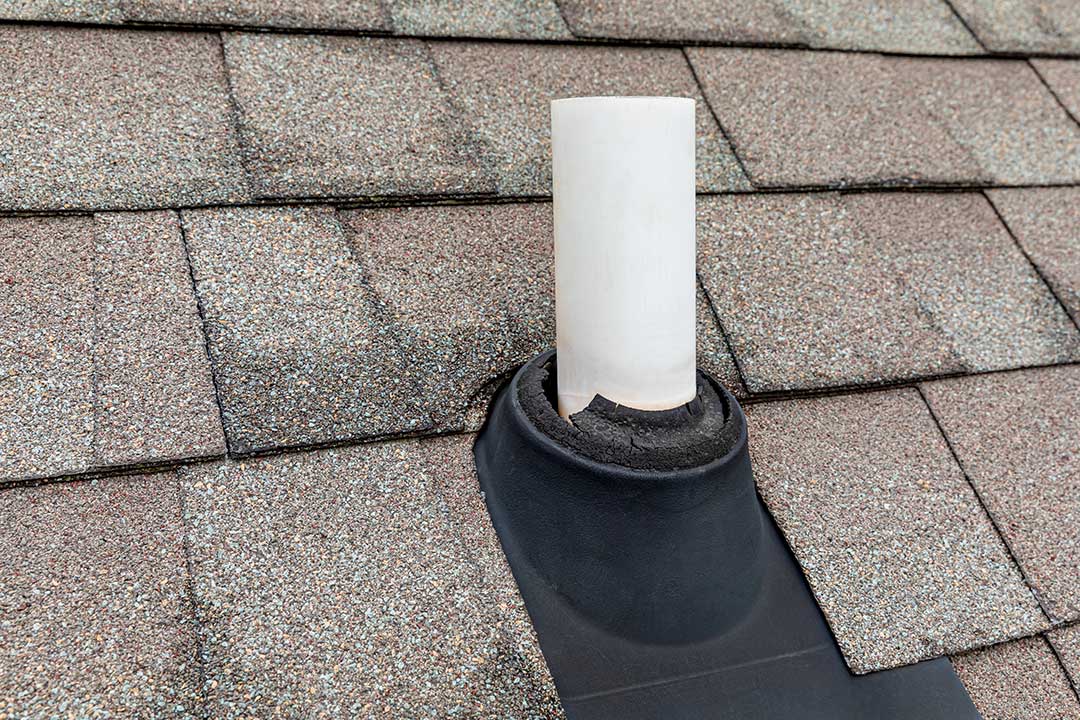
A roof inspection from the ground can identify obvious problems, but it may not reveal hidden damage beneath shingles or inside an attic. Interior evidence should be compared with exterior conditions, particularly after heavy rain, snowmelt, or strong wind.
Do animals cause more problems during certain seasons?
Animal activity often increases in spring and fall, but roof damage can occur at any time. In spring, wildlife may seek protected spaces for nesting and raising young. In autumn, animals may search for warm, enclosed shelter before colder weather arrives.
Winter conditions can intensify existing problems. In Ithaca, snow, freeze-thaw cycles, and ice can enlarge cracks, shift loose materials, and push moisture into small gaps. An opening created by an animal in October may produce a roof leak months later when melting snow reaches the affected area.
Summer heat can also expose weaknesses. High attic temperatures may worsen the effects of blocked ventilation, while thunderstorms can drive rain into openings that were previously unnoticed.
What should be done if an animal is inside the roof?
The first step is to avoid sealing an opening until it is clear that the animal and any young have left. Closing an active entry point can trap animals inside, lead to interior damage, or cause them to create a new opening.
Avoid reaching into dark roof cavities, disturbing nests, or handling droppings without appropriate protection. A trapped or frightened animal may bite or scratch. Electrical damage also creates a potential shock or fire hazard.
After the animal issue is resolved, the roof and attic should be checked for related damage. Repair may involve replacing damaged shingles, restoring flashing, screening vents, repairing fascia or soffits, removing contaminated insulation, or correcting attic ventilation. The correct repair depends on how the animal entered and whether water has already affected the roof structure.
How can animal-related roof damage be reduced?
Preventive maintenance focuses on keeping roof openings secure while preserving proper ventilation. Useful measures include:
- Replacing damaged or missing shingles promptly
- Keeping roof vents and chimney caps protected with suitable screening
- Repairing deteriorated soffits and fascia
- Checking flashing around chimneys, walls, and roof penetrations
- Trimming limbs that provide direct access to the roof
- Removing nesting material only after confirming it is no longer active
- Inspecting the attic after unusual sounds, odors, or ceiling stains
- Maintaining clear drainage paths so animal-related defects do not become prolonged moisture problems
Screening should be installed in a way that does not obstruct required airflow. Blocking a ventilation opening entirely can create a different roofing problem by trapping heat and moisture in the attic.
A small animal entry point is not merely a pest issue. It can become a pathway for water, cold air, insects, and larger animals. Addressing the access point and checking the surrounding roof system helps distinguish a surface nuisance from a problem that may affect decking, insulation, framing, or indoor air quality.
