
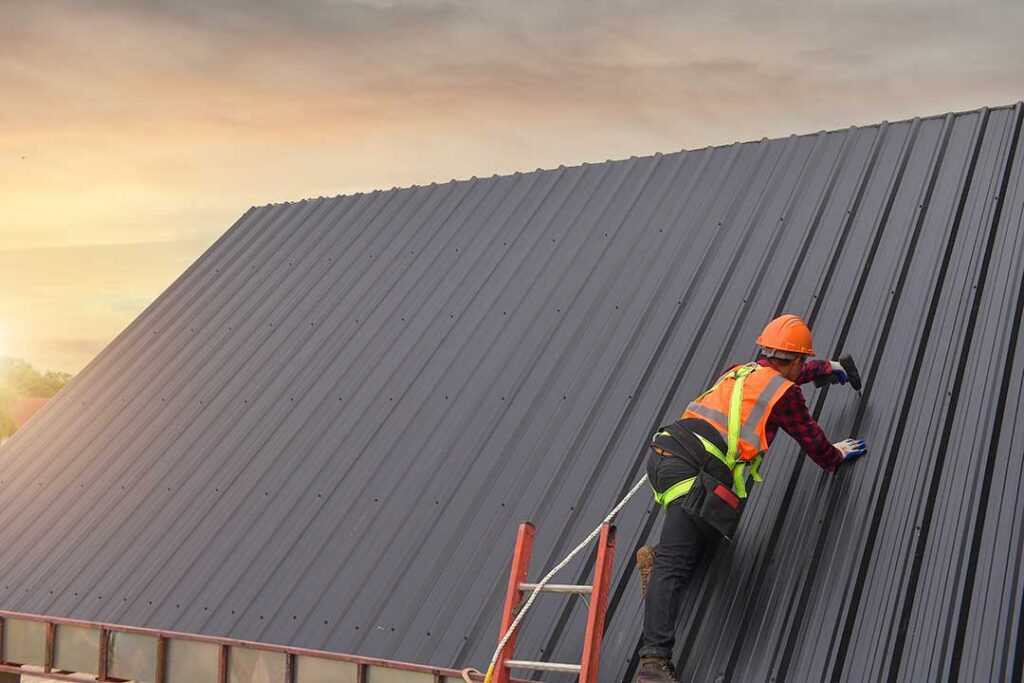
Roof inspections are a practical way to understand a home’s condition before a small problem becomes interior damage. For homeowners in Ithaca, NY, inspections are especially useful because roofs must withstand freezing temperatures, heavy snowfall, ice, wind, rain, and repeated freeze-thaw cycles.
An inspection does not automatically mean a roof needs replacement. It is a careful review of roofing materials, drainage, flashing, ventilation, and areas where moisture may enter the home.
What does a roof inspection include?
A roof inspection examines the visible roofing system and related parts of the home. It usually includes the roof surface, edges, valleys, penetrations, gutters, attic, and signs of water intrusion.
A thorough inspection may look for:
- Missing, cracked, curled, or loose shingles
- Damaged metal flashing around chimneys, vents, skylights, and wall intersections
- Exposed or deteriorated underlayment
- Sagging roof sections
- Granules collecting in gutters or at downspouts
- Moss or organic growth holding moisture against roofing materials
- Blocked or poorly draining gutters
- Inadequate attic ventilation
- Damp insulation, staining, mold-like growth, or daylight visible through roof boards
- Evidence of animal entry or damaged vent screens
The condition of the roof covering is only one part of the assessment. A roof may look acceptable from the ground while having problems around flashing, attic ventilation, or drainage points.
How often should a homeowner arrange an inspection?
Most homes benefit from a routine inspection about once a year, along with an additional review after a major storm or unusual weather event. A roof that is older, heavily shaded, steep, or exposed to falling branches may require closer attention.
In Ithaca, a useful schedule is often:
- Late spring, after snow and ice have cleared
- Early fall, before the coldest weather and regular snowfall
- After severe wind, hail, heavy snow, or a large falling branch
- Before buying or selling a home
- When an interior ceiling stain, damp attic area, or unexplained musty odor appears
A spring inspection can reveal damage caused by ice dams, snow loads, and winter winds. A fall inspection can identify drainage or flashing problems before freezing weather makes repairs more difficult.
What should homeowners look for from the ground?
A ground-level review cannot replace a close inspection, but it can reveal warning signs. Use binoculars if needed and avoid climbing onto a wet, icy, or steep roof.
Look for uneven roof lines, missing shingles, dark patches, lifted edges, exposed fasteners, and damaged metal. Check whether gutters are pulling away from the fascia or holding excessive granules. Downspouts should direct water away from the foundation rather than releasing it beside the house.
After windy weather, inspect the yard for roofing debris. Small pieces of shingle or metal may indicate damage that is not obvious from the street.
Trees also deserve attention. Overhanging limbs can scrape roofing materials, drop branches, and contribute to moss growth by keeping the roof shaded and damp. Branches should not rest against the roof or block gutters.
Why are attic inspections part of roof maintenance?
The attic often provides the clearest evidence of a roof problem. Moisture may enter through a small opening and travel along roof framing before appearing inside a living space.
From the attic, look for:
- Water stains or darkened wood
- Wet or compressed insulation
- Rust around nails or metal fasteners
- Frost on the underside of the roof deck during cold weather
- Condensation near vents, eaves, or roof sheathing
- Mold-like spotting or persistent musty odors
- Daylight entering through areas that should be sealed
Not every attic stain means the roof is currently leaking. Some stains come from older leaks, plumbing condensation, or inadequate ventilation. However, a stain that is damp, growing, or accompanied by a ceiling mark deserves prompt investigation.
Proper ventilation helps reduce heat and moisture buildup. It does not eliminate the need for insulation, air sealing, or sound roof construction. Blocking soffit vents with insulation can also interfere with airflow and contribute to winter condensation.
What roof problems are common after Ithaca winters?
Winter damage often develops gradually. Snow and ice can expose weak points that were not noticeable during warmer months.
Common examples include:
Ice dam-related leakage
Ice dams form when melting snow refreezes near the colder roof edge. Water can back up beneath roofing materials and enter around eaves, walls, or ceilings. Staining near exterior walls or overhangs may be a clue.
Wind-lifted shingles
Strong gusts can loosen shingle edges or remove individual pieces. A roof may still appear mostly intact while allowing water beneath lifted areas.
Gutter and drainage damage
Ice, snow, and trapped debris can pull gutters away from the roof edge. Poor drainage may saturate fascia boards and contribute to water near the foundation.
Snow-load stress
Most properly built roofs are designed for local winter conditions, but heavy, wet snow can add substantial weight. Sagging, unusual cracking sounds, distorted framing, or doors and windows that suddenly become difficult to operate may indicate a broader structural concern.
Freeze-thaw deterioration
Repeated expansion and contraction can worsen cracks in flashing, masonry, sealants, and roofing materials. A minor opening may become a leak after several cycles.
Does a roof inspection require climbing onto the roof?
No. Many inspections can begin from the ground, attic, and accessible roof edges. Climbing is not appropriate when the surface is wet, icy, steep, fragile, or covered with moss.
Homeowners should not walk on roofing materials that may be brittle, damaged, or concealed beneath snow. Extension ladders also create fall risks, especially on uneven ground or near ice. Safety equipment and appropriate training are necessary for close inspection of elevated areas.
If a suspected problem involves structural sagging, active electrical hazards, major storm damage, or unsafe access, the area should be kept clear until it can be assessed safely.
What is the difference between an inspection and an estimate?
An inspection is an assessment of condition and likely causes of observed problems. An estimate is a calculation of the cost of specific work. These are separate activities.
A useful inspection report should describe:
- The areas examined
- Visible defects and their locations
- Whether signs of active moisture were found
- The apparent severity of each issue
- Conditions that could not be evaluated
- Maintenance items that may prevent future damage
- Whether further structural or moisture investigation may be necessary
Homeowners should be cautious of conclusions based only on roof age. Age is relevant, but installation quality, ventilation, shade, maintenance, weather exposure, and previous repairs also affect service life.
When does a roof problem require prompt attention?
Active water entry, exposed decking, large missing areas, major sagging, or damage around a chimney or other opening should not be ignored. Interior staining that appears or expands after rain is another reason to investigate promptly.
Temporary measures may reduce immediate water entry, but they do not establish the source or extent of damage. Do not puncture ceilings that are bulging with trapped water unless there is a clear emergency plan and the area is safe; electrical wiring may be nearby.
A roof inspection is most useful when it records changing conditions over time. Keeping dated photos of the roof, attic, gutters, and interior ceilings can help distinguish a new problem from an old stain and support better maintenance decisions.
