
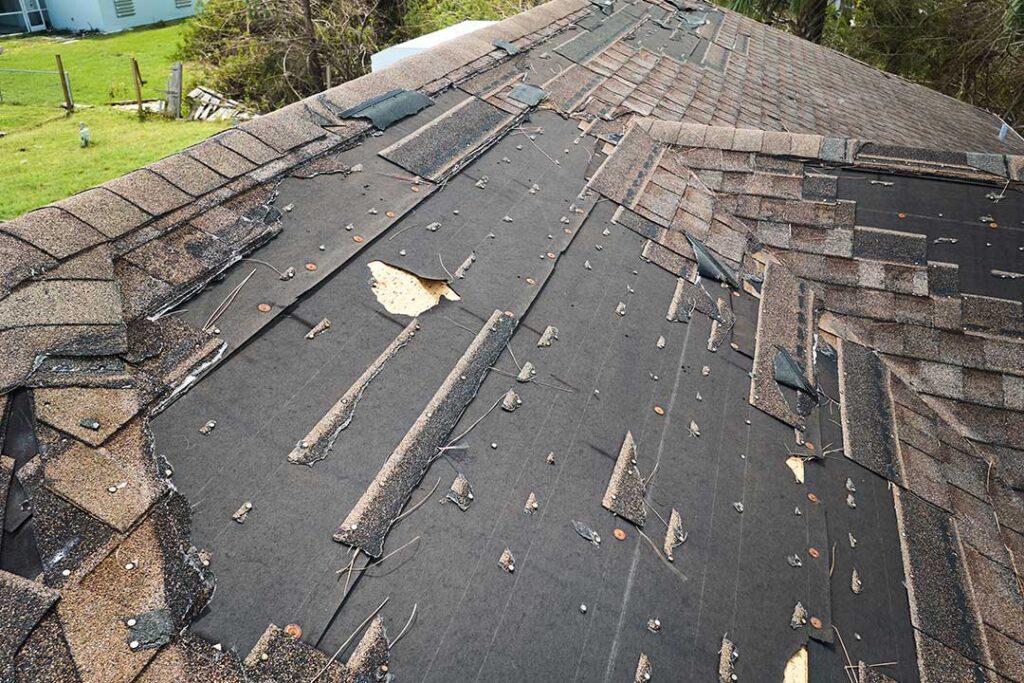
What does a roof fire rating mean?
A roof fire rating describes how a roof assembly performs when exposed to fire from outside the building. It is not simply a measure of whether one roofing material can burn.
The rating applies to the roof system as a whole, which may include:
- The roof covering
- Underlayment
- Sheathing or roof deck
- Insulation
- Ventilation components
- Mounting systems, such as those used for solar panels
Roof fire ratings are intended to slow the spread of flames, limit the movement of burning debris, and give occupants and firefighters more time to respond. They do not mean that a roof is fireproof or that a building cannot catch fire.
What are Class A, Class B, and Class C roof ratings?
Roof coverings are generally grouped into three fire-performance classes:
- Class A: Provides the highest level of resistance to fire from outside the building.
- Class B: Provides an intermediate level of resistance.
- Class C: Provides the lowest level of resistance recognized by the standard classification system.
Testing commonly evaluates flame spread, the ability of the roof system to resist fire penetration, and whether burning material contributes to fire spread across the roof surface.
A Class A label does not mean every Class A roof performs identically under every condition. The result depends on the tested assembly, including the deck type, underlayment, slope, installation method, and other components. Substituting a different underlayment or changing the installation can affect whether the completed roof matches the tested system.
Is Class A roofing required in Ithaca?
New York’s residential code generally requires Class A, B, or C roof assemblies in jurisdictions where the law requires a fire classification or where the roof edge is less than 3 feet from a lot line. Local code enforcement follows the New York State Uniform Code, along with applicable municipal requirements.
For a typical detached home, the practical question is not always whether a particular shingle is labeled Class A. The more useful question is whether the entire roof assembly is approved for the intended installation and complies with the code edition in effect when the work is permitted.
In Ithaca, code requirements can matter especially for homes on smaller lots, attached structures, additions, multifamily buildings, and roofs located near neighboring property lines. Older homes may also have roof assemblies installed under earlier code editions. A repair or replacement does not automatically mean every part of the building must be brought to current standards, but substantial work may trigger permit and compliance requirements.
The applicable code can depend on the project date, building type, scope of work, and local enforcement jurisdiction.
Which roofing materials usually receive Class A ratings?
Many common roofing materials can be used in Class A assemblies when installed as part of a tested system.
Examples include:
- Asphalt shingles installed over approved underlayment and decking
- Clay or concrete tile
- Slate
- Certain metal roofing systems
- Some built-up and membrane roofing assemblies
- Certain treated wood products specifically tested and labeled for fire performance
Material alone does not establish the final rating. For example, metal is generally noncombustible, but the roof assembly may include combustible underlayment, wood decking, insulation, or other components. A metal roof can therefore have different tested classifications depending on how it is constructed.
Wood shakes and shingles require particular caution. Fire-retardant treatment must meet recognized manufacturing and testing requirements, and the bundles should carry proper identification. Older untreated wood roofing may not meet current expectations, even if it was acceptable when originally installed.
Does a fire rating protect against chimney sparks or wildfire embers?
A fire rating can improve resistance to fire exposure from above, but it does not eliminate the risk from embers, chimney sparks, or nearby burning vegetation.
In a place with cold winters, wood-burning stoves and fireplaces may be used more frequently during the heating season. Chimneys should be maintained so that creosote and other combustible deposits do not accumulate. Sparks can also travel through the air and collect in roof valleys, gutters, vents, and areas where leaves or pine needles gather.
Roof maintenance affects fire performance. A roof with a high-rated covering may still have vulnerable areas such as:
- Debris-filled gutters
- Dry leaves collected behind chimney flashing
- Damaged or missing shingles
- Openings around vents and pipes
- Deteriorated roof edges
- Unprotected attic vents that allow embers to enter
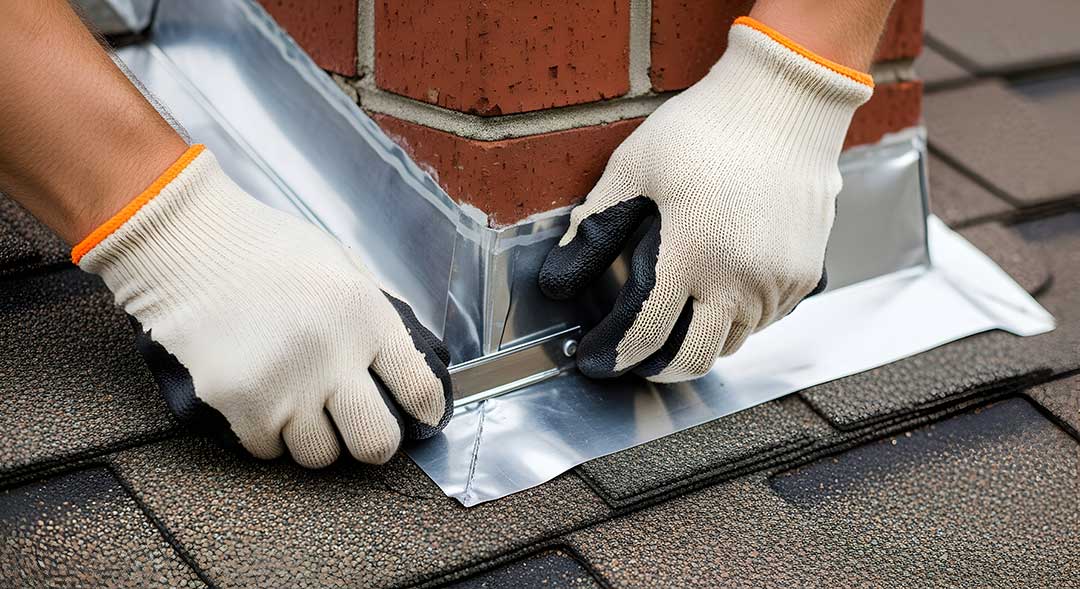
Fire resistance is one layer of protection. Safe heating practices, sound flashing, clear roof drainage paths, and maintained vent openings also matter.
How do roof fire ratings differ from fire-resistance ratings?
These terms are related but not interchangeable.
A roof covering classification describes how the exterior roof surface performs when exposed to fire. The familiar Class A, B, and C categories belong to this type of evaluation.
A fire-resistance rating, such as one hour, usually describes how long a building element or assembly can resist fire under a prescribed test. This term is more often associated with walls, floors, ceilings, structural members, and separations between units or occupancies.
A roof may have a Class A covering without being a one-hour fire-resistance-rated structural roof assembly. Conversely, a building may require rated walls or floor-ceiling assemblies even when the roof covering has its own separate classification.
This distinction is especially important in attached homes, multifamily buildings, garages, and buildings with occupied space close to the roof.
Do solar panels change the roof’s fire rating?
They can. Solar panels mounted above an existing roof are evaluated as part of a photovoltaic mounting and roof system. Building-integrated photovoltaic products, which function as the roof covering itself, have separate testing and labeling requirements.
The panel, racking, roof covering, and mounting arrangement should be compatible with the required fire classification. The layout may also affect firefighter access, pathways, and the ability to ventilate a roof during an emergency.
Adding solar equipment does not necessarily reduce a roof’s fire rating, but the completed installation should be treated as a system rather than as an unrelated accessory placed on top of the roof.
What should homeowners check after a roof replacement?
Useful records include the product packaging, installation instructions, permit documents, and any label identifying the tested roof assembly. These records can help clarify whether the installed materials match the approved system.
Homeowners should also check:
- Whether the roof covering is labeled Class A, B, or C
- Whether the underlayment is approved for that roof covering
- Whether the roof deck and slope match the installation requirements
- Whether flashing was installed around chimneys, walls, skylights, and penetrations
- Whether solar equipment, vents, and other roof accessories are included in the tested configuration
- Whether the project required a permit or inspection
A fire classification is only meaningful when the installed roof follows the conditions under which it was tested.
When is additional advice necessary?
Questions about an older roof, an attached garage, a multifamily building, a roof close to a property line, or a proposed solar installation may require review of the applicable code and construction documents.
Roof work involving torch-applied materials, open flames, cutting, welding, or other hot work also creates temporary fire hazards. In Ithaca, certain hot-work activities may require permits or additional precautions under local fire-prevention requirements.
For safety and compliance questions, the local code-enforcement or fire-prevention authority is the appropriate source for project-specific requirements. A qualified building professional may also be necessary when the roof assembly, structure, or fire separation cannot be confirmed from visible conditions alone.
