

What does a roof warranty actually cover?
A roof warranty is a written promise about certain roofing materials, installation work, or both. It does not guarantee that a roof will never leak, and it does not cover every problem that may occur during the life of the roof.
Most warranties fall into three categories:
- Manufacturer material warranty: Covers defects in shingles, underlayment, or other roofing products.
- Installation or workmanship warranty: Covers errors related to how the roof was installed.
- Extended or system warranty: May cover multiple roofing components together, sometimes under additional conditions.
The exact coverage depends on the warranty document, not on general statements made during a roofing project. Homeowners should keep the original warranty, product information, invoices, inspection records, and any maintenance documentation in one place.
How are material and workmanship warranties different?
Material warranties address the roofing product itself. For example, if shingles fail because of a manufacturing defect, the manufacturer may provide replacement materials or partial compensation based on the terms of the warranty.
A workmanship warranty addresses installation. If flashing was improperly installed or roofing materials were applied incorrectly, the installer’s warranty may cover corrective labor. A material warranty may not help with an installation error, and a workmanship warranty may not cover a defective product.
This distinction matters because leaks often occur at transitions and details rather than in the middle of a roof slope. Valleys, chimneys, skylights, vent penetrations, eaves, and wall intersections require careful installation. A warranty should clearly state who is responsible if a problem develops in one of these areas.
Does a long warranty mean the roof will last that long?
No. A warranty term is not the same as a guaranteed service life.
A roof advertised with a long material warranty may still need replacement earlier because of weather exposure, poor ventilation, inadequate drainage, installation problems, or damage from falling branches. Warranty periods may also be prorated, meaning the manufacturer’s contribution decreases as the roof ages.
Some warranties cover only manufacturing defects for a stated period. Others provide different levels of coverage during an initial period and reduced coverage afterward. Certain terms may also apply only if compatible products are used together or if the roof is installed according to specific instructions.
For that reason, “lifetime” should be read as a warranty category rather than a promise that the roof will remain functional for the homeowner’s entire lifetime.
What can void or limit roof warranty coverage?
Warranty coverage may be denied or reduced when a problem results from conditions excluded in the document. Common examples include:
- Storm damage, wind damage, hail, falling trees, or impact
- Improper repairs or alterations by another party
- Failure to follow required maintenance instructions
- Poor attic ventilation or excessive moisture
- Structural movement or inadequate roof decking
- Installation over unsuitable existing materials
- Damage caused by animals, foot traffic, or unauthorized equipment
- Moss, algae, ice, or debris-related conditions
- Failure to report a suspected defect promptly
In a climate with cold winters, freeze-thaw cycles, heavy snow, and occasional ice buildup, it is also necessary to distinguish manufacturing defects from weather-related damage. A warranty may cover a defective shingle but exclude damage caused by wind or ice. Homeowners insurance and roof warranties serve different purposes, so one should not be assumed to replace the other.
Are roof leaks covered under warranty?
Sometimes, but not automatically. A leak is a symptom, not a diagnosis.
If the leak results from defective roofing materials, a material warranty may apply. If it results from incorrect flashing or installation, a workmanship warranty may apply. If it results from storm damage, clogged drainage, condensation, or an aging roof, the warranty may exclude it.
Leak coverage may also involve separate rules for labor, interior damage, temporary protection, and related building components. For example, a warranty might cover replacement shingles but not damaged drywall or personal belongings inside the home.
When a leak appears, document the location and date, take photographs if it can be done safely, and limit additional damage. Avoid walking on a steep, wet, icy, or snow-covered roof. Prompt reporting is useful because some warranty documents require notice within a specific period.
Why does installation documentation matter?
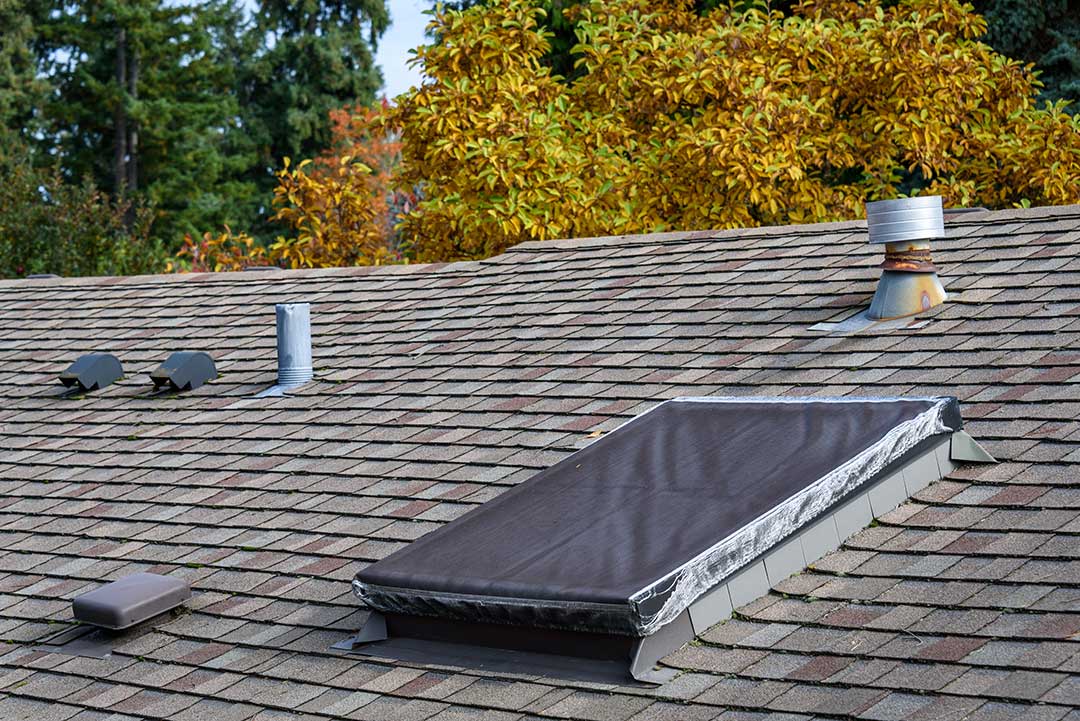
Warranty claims are easier to evaluate when the roof’s history is clear. Documentation can show when the roof was installed, which products were used, and whether the installation followed the manufacturer’s requirements.
Useful records include:
- The contract or scope of work
- Product names and warranty documents
- Installation date
- Photos taken before, during, and after the work
- Information about ventilation, flashing, and underlayment
- Repair records and inspection notes
- Written communication about leaks or defects
This information is especially helpful when a home changes ownership. A warranty may or may not transfer to a future owner, and some transferable warranties require registration within a limited time. The transfer may also reduce coverage or require an administrative fee.
What should homeowners check before accepting warranty terms?
The most useful warranty questions are specific:
1. What exact materials are covered?
2. Is labor included, or only replacement materials?
3. Is the coverage full or prorated?
4. What exclusions apply to snow, ice, wind, hail, algae, and ventilation?
5. Who handles the claim?
6. Is the warranty transferable?
7. Are inspections or registration required?
8. What maintenance is expected?
9. Does the warranty cover related components, such as flashing and underlayment?
10. What happens if the installer stops operating?
A verbal assurance that “the roof is guaranteed” is not a substitute for written terms. If the language is unclear, ask for an explanation before work begins and retain the answer in writing.
How should a homeowner respond to a suspected warranty problem?
Start by protecting the building from additional damage without creating a safety hazard. Place containers under active drips, move vulnerable belongings, and use temporary interior protection where practical. Do not make permanent repairs that could interfere with an inspection unless immediate safety or water damage requires it.
Next, review the warranty and gather records. Write down the approximate date the problem began, weather conditions around that time, the location of the issue, and any previous repairs. Photographs from inside the attic or living space may help document staining, but entering an attic with wet insulation, exposed wiring, or limited footing can be dangerous.
Warranty claims may involve an inspection by the manufacturer, installer, insurer, or another representative. The inspection should determine whether the cause is a product defect, workmanship issue, accidental damage, deferred maintenance, or ordinary aging.
What does a roof warranty not replace?
A warranty does not replace routine observation and maintenance. Homeowners should watch for missing or damaged shingles, loose flashing, blocked drainage paths, deteriorated sealants, attic moisture, and stains on ceilings or upper walls.
Seasonal checks are particularly useful after winter weather and major storms. Gutters and downspouts should be kept clear, branches should not rub against the roof, and snow or ice should not be removed using methods that damage roofing materials. Roof access should be limited because repeated foot traffic can cause damage and create a fall risk.
The most reliable approach is to treat a warranty as one part of roof ownership: useful protection against defined problems, but not a substitute for proper installation, reasonable maintenance, insurance coverage, and timely attention to changing conditions.
